THE ADVENTURE COLLECTIVE® · Independent discovery and booking for outdoor travel

Explore Chichén Itzá’s famed pyramid, swim in two dramatic cenotes and stroll the colonial streets of Valladolid on a full-day guided tour. This trip blends Maya history, karst geology and practical touring tips for a long—but accessible—day of culture and nature.
Explore Chichén Itzá’s famed pyramid, swim in two dramatic cenotes and stroll the colonial streets of Valladolid on a full-day guided tour. This trip blends Maya history, karst geology and practical touring tips for a long—but accessible—day of culture and nature.
You arrive before the heat, stepping off an air-conditioned van into a plaza where stone shadows fold across El Castillo. The pyramid reads like a giant calendar: stairs align with equinox light that seems to push the feathered-serpent down the face of the structure. Later, jungle light changes character — vines and palms frame a sinkhole where water waits cool and still, daring you to jump.
Verified experiences and guided adventures in the surrounding area.
Operated by Cancun official experiences · Pisté, Yucatán
You arrive before the heat, stepping off an air-conditioned van into a plaza where stone shadows fold across El Castillo. The pyramid reads like a giant calendar: stairs align with equinox light that seems to push the feathered-serpent down the face of the structure. Later, jungle light changes character — vines and palms frame a sinkhole where water waits cool and still, daring you to jump.
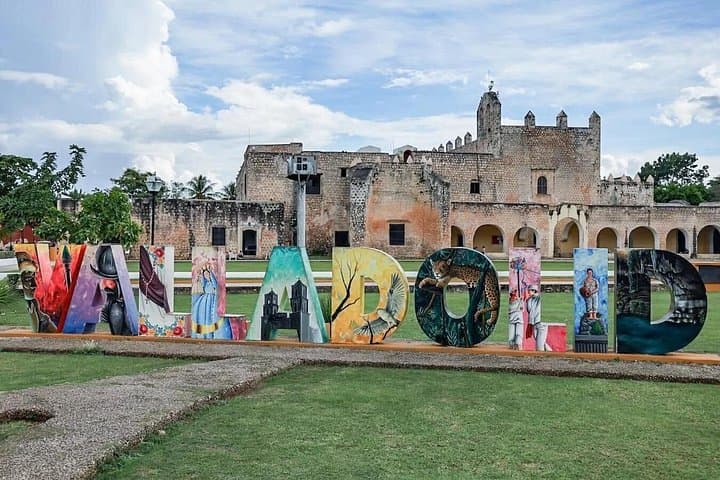
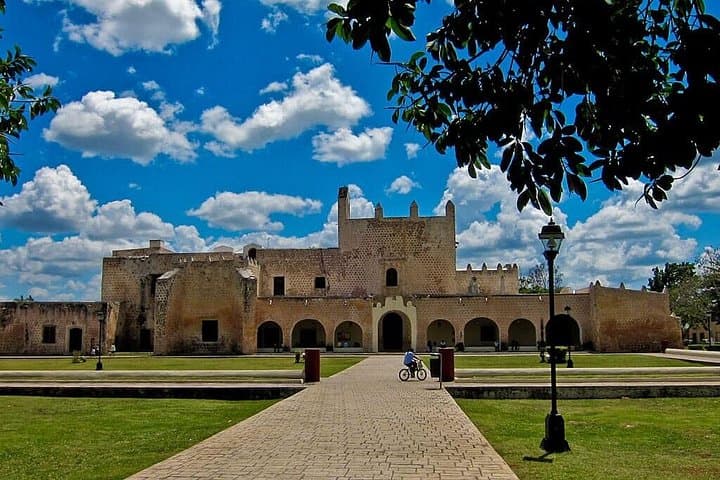
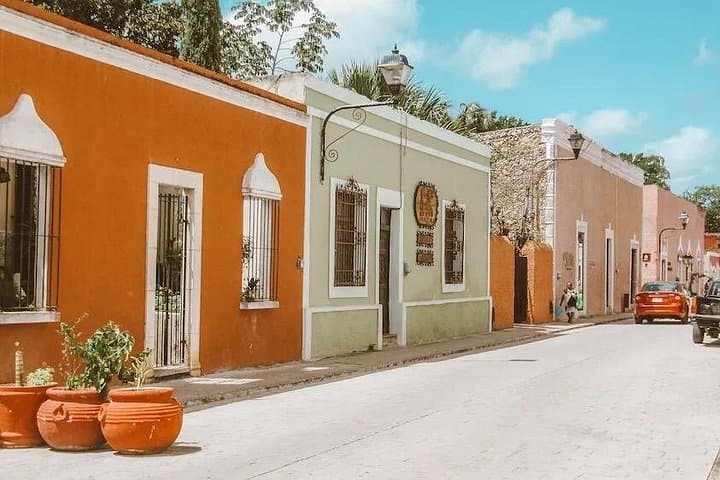
Chichén Itzá grew into a regional powerhouse by the Terminal Classic period; its stonework maps astronomy and ritual. The region sits on porous limestone karst, which creates the cenotes — collapsed caverns that feed an underground river network vital to Maya settlements. Valladolid adds a colonial counterpoint: colorful streets, a 16th-century convent and a market where Yucatecan flavors and henequén crafts are on display.
Expect guided walks around the major temples, a stop for a buffet and tequila tasting, and supervised swims at Ik Kil (an open cenote with hanging roots) and Hubiku (a semi-open cenote with high limestone walls). Guides typically provide context on Maya astronomy and conservation of the cenotes.
Practical edge: wear quick-dry swimwear under your clothes for fast changes, sturdy flat-soled shoes for uneven ruins, and reef-safe sunscreen for cenote swims. Morning arrivals beat the worst crowds and heat; carry a refillable bottle and a small towel. If you have limited mobility, some site areas require stairs. Respect ropes and posted signs — these sites are archaeological and ecological systems that depend on careful behavior.
The full-day tour runs about 10–12 hours; travel from Cancún or Playa del Carmen typically takes 2–3 hours each way depending on pickup location.
Yes — the itinerary includes supervised swims at Cenote Ik Kil and Cenote Hubiku; lifejackets and changing facilities are usually available.
Yes — there are shaded walkways and an on-site museum and vendors; the tour provides a buffet lunch and bottled water as listed in inclusions.
Some areas have steep stairs and uneven surfaces; visitors with significant mobility constraints may find parts of the archaeological zone difficult to access.
Cancun official experiences operates guided outdoor trips and adventures with an emphasis on safety, stewardship, and memorable experiences.

You arrive before the heat, stepping off an air-conditioned van into a plaza where stone shadows fold across El Castillo. The pyramid reads like a giant calendar: stairs align with equinox light that seems to push the feathered-serpent down the face of the structure. Later, jungle light changes character — vines and palms frame a sinkhole where water waits cool and still, daring you to jump.
You arrive before the heat, stepping off an air-conditioned van into a plaza where stone shadows fold across El Castillo. The pyramid reads like a giant calendar: stairs align with equinox light that seems to push the feathered-serpent down the face of the structure. Later, jungle light changes character — vines and palms frame a sinkhole where water waits cool and still, daring you to jump.
Chichén Itzá grew into a regional powerhouse by the Terminal Classic period; its stonework maps astronomy and ritual. The region sits on porous limestone karst, which creates the cenotes — collapsed caverns that feed an underground river network vital to Maya settlements. Valladolid adds a colonial counterpoint: colorful streets, a 16th-century convent and a market where Yucatecan flavors and henequén crafts are on display.
Expect guided walks around the major temples, a stop for a buffet and tequila tasting, and supervised swims at Ik Kil (an open cenote with hanging roots) and Hubiku (a semi-open cenote with high limestone walls). Guides typically provide context on Maya astronomy and conservation of the cenotes.
Practical edge: wear quick-dry swimwear under your clothes for fast changes, sturdy flat-soled shoes for uneven ruins, and reef-safe sunscreen for cenote swims. Morning arrivals beat the worst crowds and heat; carry a refillable bottle and a small towel. If you have limited mobility, some site areas require stairs. Respect ropes and posted signs — these sites are archaeological and ecological systems that depend on careful behavior.