THE ADVENTURE COLLECTIVE® · Independent discovery and booking for outdoor travel

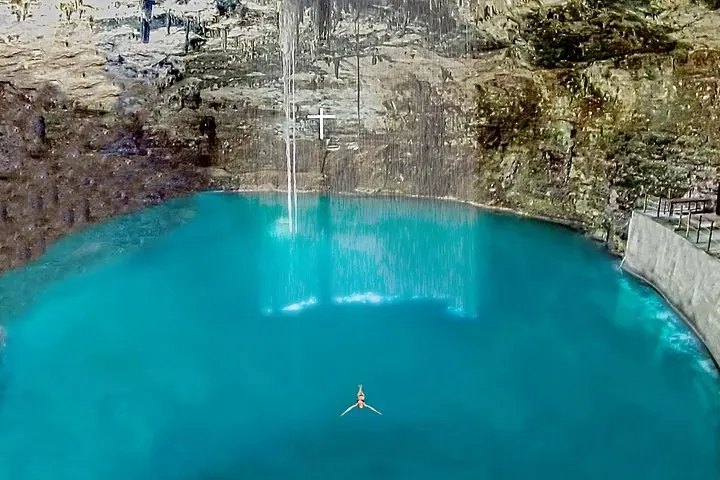
Walk the steps of the Kukulcán Pyramid, cool off in the emerald chamber of Cenote Hubiku, and taste colonial Valladolid on a full-day loop from the Riviera Maya. This guided tour blends archaeology, geology, and local flavor into one long, accessible outing.
Walk the steps of the Kukulcán Pyramid, cool off in the emerald chamber of Cenote Hubiku, and taste colonial Valladolid on a full-day loop from the Riviera Maya. This guided tour blends archaeology, geology, and local flavor into one long, accessible outing.
You arrive before the sun fully warms the limestone plaza, footsteps echoing beneath the shadow of the Kukulcán Pyramid as the guide sketches the site's layout and the day begins. Tourists drift along the Ball Court while the Observatory watches from a low rise; the air carries dust and birdsong, and the pyramid’s angles hold the day’s first cool shade.
Verified experiences and guided adventures in the surrounding area.
Operated by Cancun Travel Experience · Pisté, Yucatán
You arrive before the sun fully warms the limestone plaza, footsteps echoing beneath the shadow of the Kukulcán Pyramid as the guide sketches the site's layout and the day begins. Tourists drift along the Ball Court while the Observatory watches from a low rise; the air carries dust and birdsong, and the pyramid’s angles hold the day’s first cool shade.
Chichén Itzá was a major Maya center between the 7th and 10th centuries; its monuments reflect astronomy, ritual, and regional power. The karst geology of the Yucatán created sinkholes—cenotes—that supplied water and shaped settlement patterns; Hubiku cenote is one such collapsed chamber, its freshwater pool fed by underground rivers.
Valladolid adds a contrasting human layer: colonial facades, the San Servacio church, and local markets where Yucatecan staples appear—cochinita, tortillas, and hand-made hammocks.
Practically, expect about 12–13 hours away from your hotel with guided walking at Chichén Itzá (roughly 3 hours), a supervised swim at Hubiku, and a short stop in Valladolid. Mornings are best for cooler light and smaller crowds; afternoons bring heat and a higher chance of showers in the rainy season. Bring sun protection, sturdy shoes for uneven stone, swimwear and a towel for the cenote, and small bills for souvenirs or tips. Hotel pickup is commonly included from Cancun and the Riviera Maya; Tulum travelers often meet at a designated point. Respect signage at archaeological areas and follow guide instructions in the cenote—these sites are fragile and managed to protect both heritage and groundwater quality.
Yes—this tour typically includes skip-the-line access to Chichén Itzá and admission to Hubiku cenote as part of the package.
Swimming is allowed in Hubiku; lockers may be available for a fee—bring a dry bag for valuables and confirm locker availability with your guide.
The guided portion lasts around three hours, including major structures and some free time to explore on your own.
Pickup from Tulum hotels is usually not provided; Tulum guests must meet at a designated meeting point specified by the operator.
Cancun Travel Experience operates guided outdoor trips and adventures with an emphasis on safety, stewardship, and memorable experiences.
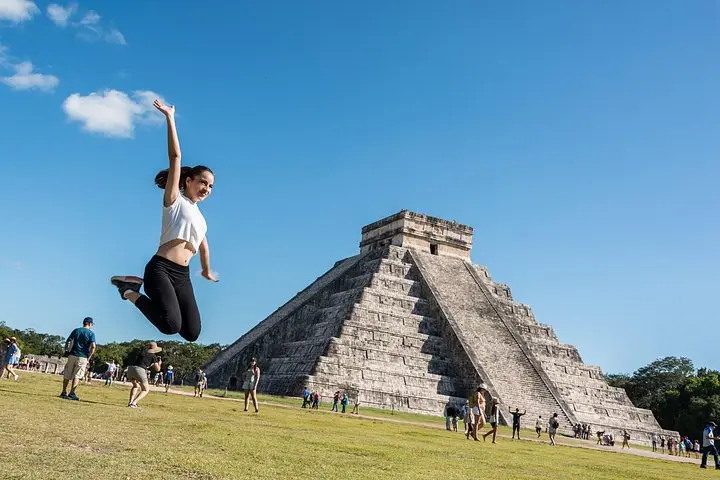
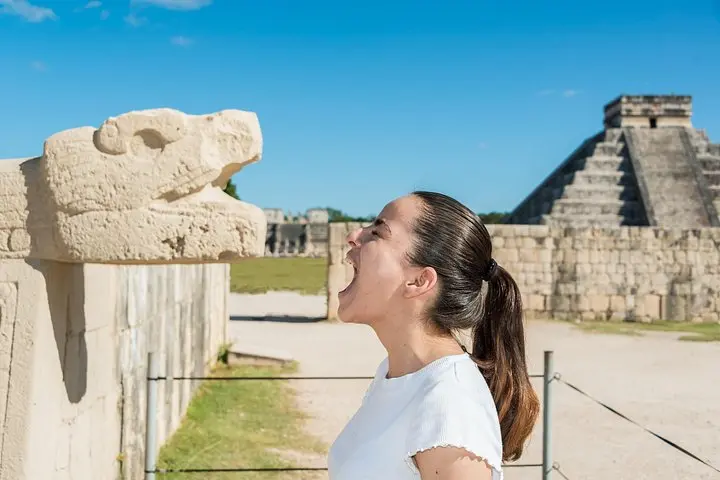
You arrive before the sun fully warms the limestone plaza, footsteps echoing beneath the shadow of the Kukulcán Pyramid as the guide sketches the site's layout and the day begins. Tourists drift along the Ball Court while the Observatory watches from a low rise; the air carries dust and birdsong, and the pyramid’s angles hold the day’s first cool shade.
You arrive before the sun fully warms the limestone plaza, footsteps echoing beneath the shadow of the Kukulcán Pyramid as the guide sketches the site's layout and the day begins. Tourists drift along the Ball Court while the Observatory watches from a low rise; the air carries dust and birdsong, and the pyramid’s angles hold the day’s first cool shade.
Chichén Itzá was a major Maya center between the 7th and 10th centuries; its monuments reflect astronomy, ritual, and regional power. The karst geology of the Yucatán created sinkholes—cenotes—that supplied water and shaped settlement patterns; Hubiku cenote is one such collapsed chamber, its freshwater pool fed by underground rivers.
Valladolid adds a contrasting human layer: colonial facades, the San Servacio church, and local markets where Yucatecan staples appear—cochinita, tortillas, and hand-made hammocks.
Practically, expect about 12–13 hours away from your hotel with guided walking at Chichén Itzá (roughly 3 hours), a supervised swim at Hubiku, and a short stop in Valladolid. Mornings are best for cooler light and smaller crowds; afternoons bring heat and a higher chance of showers in the rainy season. Bring sun protection, sturdy shoes for uneven stone, swimwear and a towel for the cenote, and small bills for souvenirs or tips. Hotel pickup is commonly included from Cancun and the Riviera Maya; Tulum travelers often meet at a designated point. Respect signage at archaeological areas and follow guide instructions in the cenote—these sites are fragile and managed to protect both heritage and groundwater quality.