THE ADVENTURE COLLECTIVE® · Independent discovery and booking for outdoor travel

Spend a full day crossing from Livingstone into Chobe National Park to track huge elephant herds, search for big cats, and finish at a waterhole sundowner. This practical guide outlines what to expect, local context, and essential tips for a long, wildlife-rich day in Chobe.
Spend a full day crossing from Livingstone into Chobe National Park to track huge elephant herds, search for big cats, and finish at a waterhole sundowner. This practical guide outlines what to expect, local context, and essential tips for a long, wildlife-rich day in Chobe.
You start before dawn, crossing the flat ribbon of the Zambezi National Park as the river dares the morning light. Dust rises behind the Land Cruiser and the air tightens with expectation: vast plains, thickets of mopane, and the occasional silhouette of an elephant moving toward water.
Verified experiences and guided adventures in the surrounding area.
Operated by Bantu Safaris Southern Africa · Kasane, Chobe District
You start before dawn, crossing the flat ribbon of the Zambezi National Park as the river dares the morning light. Dust rises behind the Land Cruiser and the air tightens with expectation: vast plains, thickets of mopane, and the occasional silhouette of an elephant moving toward water.
Chobe National Park is a placid, ancient landscape carved by seasonal floods and hardened by dry-season droughts. Geologically shaped by riverine sediments and alluvial plains, the park supports the continent’s largest concentration of African elephants and a mosaic of habitats from floodplains to dry woodland. Culturally, the region sits at a crossroads—Kasane’s markets and the nearby Tonga and Lozi communities reflect livelihoods tied to the river and wildlife.
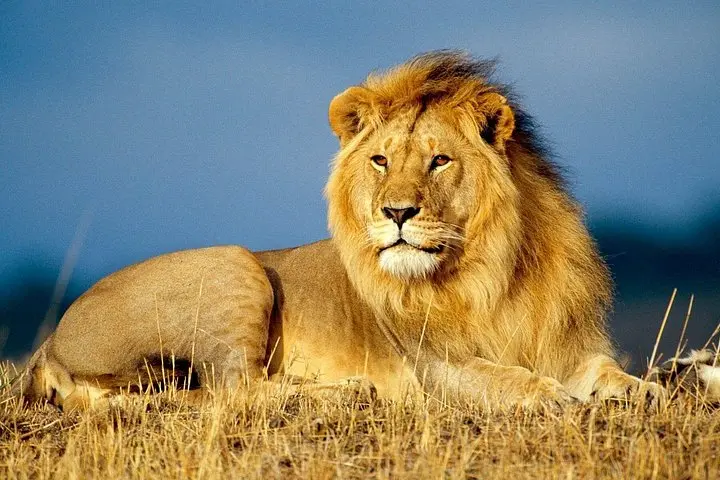
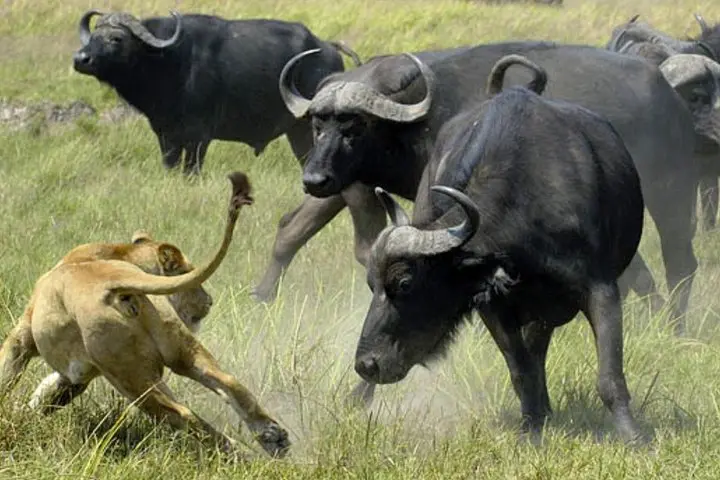
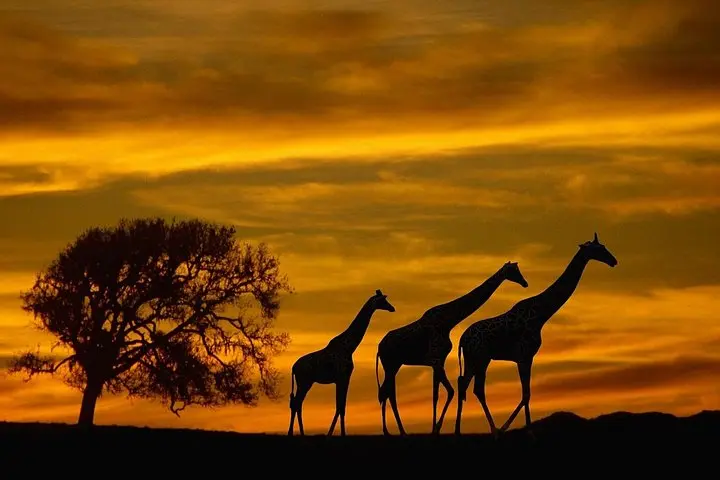
On this full-day itinerary you’ll alternate morning and afternoon game drives with a bush lunch and a late-afternoon stop at a waterhole for sundowners. Guides point out spoor and explain herd dynamics, predator behavior, and conservation challenges like human-wildlife conflict. Expect extended viewing of elephant herds, buffalo, giraffe, zebra, and, with luck, lions or leopard at dusk.
Practical guidance: carry high-zoom binoculars, plenty of sunscreen and a refillable water bottle, and use muted clothing to reduce disturbance. The entry gate requires a park fee (paid on-site). Vehicles are open-sided—bring layers for the cool morning and warm midday. Photographers should use fast lenses for action and slow their shutter near waterholes to capture movement. The day is long but highly accessible—bring patience and a charged camera; Chobe rewards both.
Visa requirements depend on nationality—check entry rules for Botswana and re-entry to Zambia well before travel and carry passport pages required for visas.
No—an entry fee (about $20) is payable by the traveler at the national park gate unless specified otherwise by the operator.
Infants may join but must sit on laps; this full-day excursion includes long drives and minimal shelter—consider comfort and safety for very young children.
Chobe is famous for large elephant herds plus buffalo, giraffe, zebra and frequently lions and a variety of birdlife—sightings vary with season and luck.
Bantu Safaris Southern Africa operates guided outdoor trips and adventures with an emphasis on safety, stewardship, and memorable experiences.
You start before dawn, crossing the flat ribbon of the Zambezi National Park as the river dares the morning light. Dust rises behind the Land Cruiser and the air tightens with expectation: vast plains, thickets of mopane, and the occasional silhouette of an elephant moving toward water.
You start before dawn, crossing the flat ribbon of the Zambezi National Park as the river dares the morning light. Dust rises behind the Land Cruiser and the air tightens with expectation: vast plains, thickets of mopane, and the occasional silhouette of an elephant moving toward water.
Chobe National Park is a placid, ancient landscape carved by seasonal floods and hardened by dry-season droughts. Geologically shaped by riverine sediments and alluvial plains, the park supports the continent’s largest concentration of African elephants and a mosaic of habitats from floodplains to dry woodland. Culturally, the region sits at a crossroads—Kasane’s markets and the nearby Tonga and Lozi communities reflect livelihoods tied to the river and wildlife.
On this full-day itinerary you’ll alternate morning and afternoon game drives with a bush lunch and a late-afternoon stop at a waterhole for sundowners. Guides point out spoor and explain herd dynamics, predator behavior, and conservation challenges like human-wildlife conflict. Expect extended viewing of elephant herds, buffalo, giraffe, zebra, and, with luck, lions or leopard at dusk.
Practical guidance: carry high-zoom binoculars, plenty of sunscreen and a refillable water bottle, and use muted clothing to reduce disturbance. The entry gate requires a park fee (paid on-site). Vehicles are open-sided—bring layers for the cool morning and warm midday. Photographers should use fast lenses for action and slow their shutter near waterholes to capture movement. The day is long but highly accessible—bring patience and a charged camera; Chobe rewards both.