THE ADVENTURE COLLECTIVE® · Independent discovery and booking for outdoor travel

Spend a full day following the Chobe River by boat and roaming its floodplains by open-air jeep. Expect close elephant encounters, hippos at the waterline, and bird-rich riverbanks—plus straightforward planning tips for the cross-border transfer.
Spend a full day following the Chobe River by boat and roaming its floodplains by open-air jeep. Expect close elephant encounters, hippos at the waterline, and bird-rich riverbanks—plus straightforward planning tips for the cross-border transfer.
Early light on the Chobe River turns the water into a moving ribbon of silver while elephants trail the floodplain edges and hippos grind the current with sleepy persistence. This full-day safari moves with that rhythm: a morning drive from Victoria Falls, Livingstone, or Kasane through the Zambezi National Park, a boat section along the Chobe River, a riverside lunch, then an open-air jeep hunt across the park’s woodland and floodplain.
Verified experiences and guided adventures in the surrounding area.
Operated by Cape Archives Tours · Kasane, Chobe District
Early light on the Chobe River turns the water into a moving ribbon of silver while elephants trail the floodplain edges and hippos grind the current with sleepy persistence. This full-day safari moves with that rhythm: a morning drive from Victoria Falls, Livingstone, or Kasane through the Zambezi National Park, a boat section along the Chobe River, a riverside lunch, then an open-air jeep hunt across the park’s woodland and floodplain.
Geology here is simple and old: seasonal floods shape the plains, carving channels and concentrating wildlife along the water. Chobe’s human history reads in trade routes and colonial borders—Kasane and Kazungula grew where river and road meet—and today communities around the park balance tourism and traditional livelihoods.
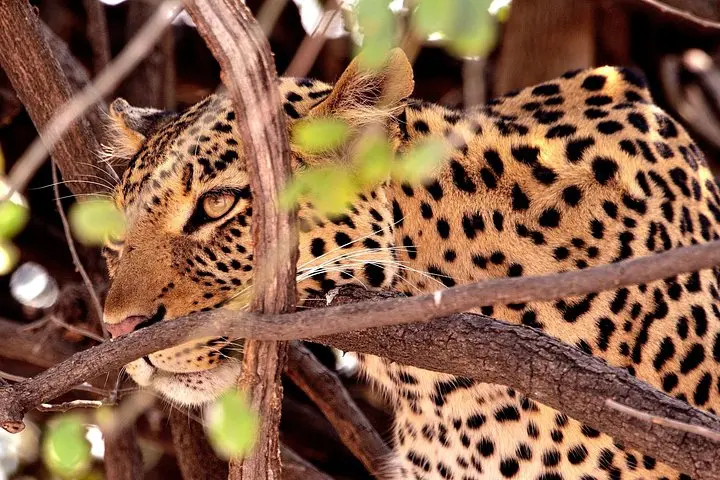
Expect dense mopane and acacia woodland giving way to broad, grassy floodplains. Birds call like punctuation; crocodiles slide like dark logs. Guides chase tracks and patterns rather than guarantees—animal movements depend on water and season, and the river often decides where the animals gather.
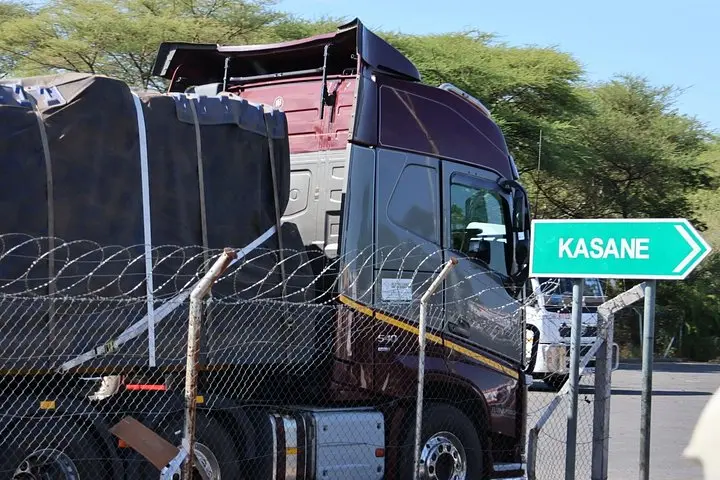
Practicalities matter: pickups are included and you will cross at the Kazungula border, so carry an up-to-date passport. The day is long—about 10 hours—so bring sun protection, a mid-range telephoto for wildlife, and layered clothing for early chill and midday heat. Photography is best from the boat for waterline animals, and from the jeep for pachyderms inland. Guides handle permits and conservation fees; guests should bring small local cash for tips and optional extras. Arrive with patience and curiosity—the river and the herds will do the rest.
Yes. The tour crosses at the Kazungula border; a valid passport is required and travelers should confirm visa requirements for Botswana.
Lunch and conservation fees are included as listed, but bring small local cash for tips or optional extras.
Wildlife sightings are common—especially elephants and hippos—but not guaranteed; animal movement depends on season and water.
The operator notes it's suitable for general fitness levels, but not recommended for pregnant travelers or those with serious back or heart conditions.
Cape Archives Tours operates guided outdoor trips and adventures with an emphasis on safety, stewardship, and memorable experiences.
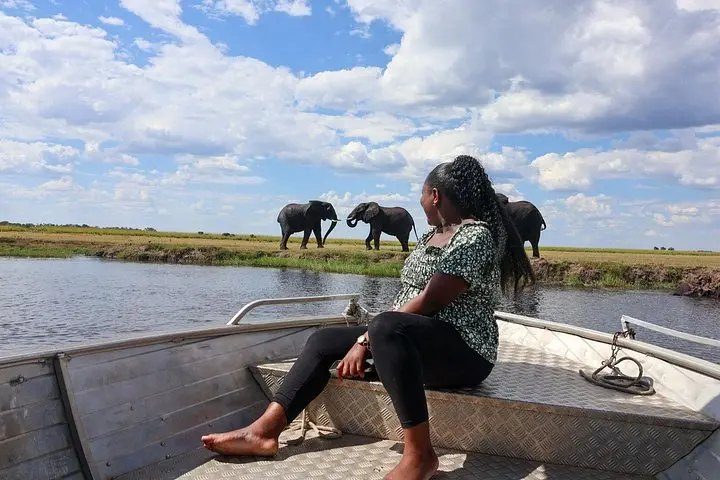
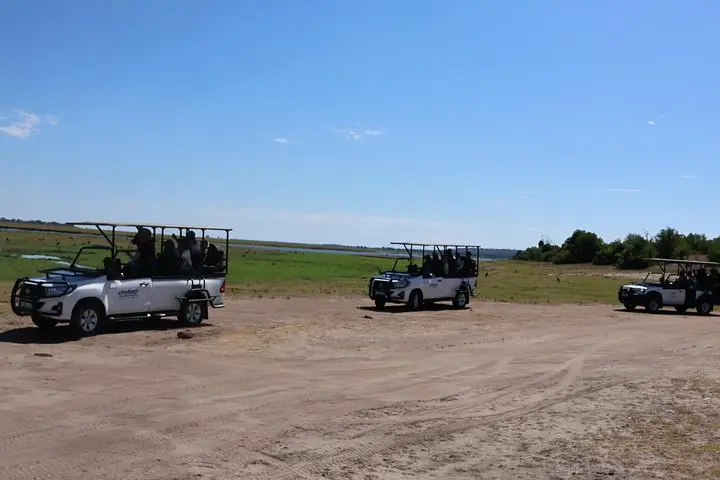
Early light on the Chobe River turns the water into a moving ribbon of silver while elephants trail the floodplain edges and hippos grind the current with sleepy persistence. This full-day safari moves with that rhythm: a morning drive from Victoria Falls, Livingstone, or Kasane through the Zambezi National Park, a boat section along the Chobe River, a riverside lunch, then an open-air jeep hunt across the park’s woodland and floodplain.
Early light on the Chobe River turns the water into a moving ribbon of silver while elephants trail the floodplain edges and hippos grind the current with sleepy persistence. This full-day safari moves with that rhythm: a morning drive from Victoria Falls, Livingstone, or Kasane through the Zambezi National Park, a boat section along the Chobe River, a riverside lunch, then an open-air jeep hunt across the park’s woodland and floodplain.
Geology here is simple and old: seasonal floods shape the plains, carving channels and concentrating wildlife along the water. Chobe’s human history reads in trade routes and colonial borders—Kasane and Kazungula grew where river and road meet—and today communities around the park balance tourism and traditional livelihoods.
Expect dense mopane and acacia woodland giving way to broad, grassy floodplains. Birds call like punctuation; crocodiles slide like dark logs. Guides chase tracks and patterns rather than guarantees—animal movements depend on water and season, and the river often decides where the animals gather.
Practicalities matter: pickups are included and you will cross at the Kazungula border, so carry an up-to-date passport. The day is long—about 10 hours—so bring sun protection, a mid-range telephoto for wildlife, and layered clothing for early chill and midday heat. Photography is best from the boat for waterline animals, and from the jeep for pachyderms inland. Guides handle permits and conservation fees; guests should bring small local cash for tips and optional extras. Arrive with patience and curiosity—the river and the herds will do the rest.