THE ADVENTURE COLLECTIVE® · Independent discovery and booking for outdoor travel

Spend a day in Chulucanas exploring acclaimed ceramics workshops, local markets and cultural sites. This practical guide explains what to expect on the 7‑hour trip from Piura and how to prepare for hands-on pottery visits and market bargaining.
Spend a day in Chulucanas exploring acclaimed ceramics workshops, local markets and cultural sites. This practical guide explains what to expect on the 7‑hour trip from Piura and how to prepare for hands-on pottery visits and market bargaining.
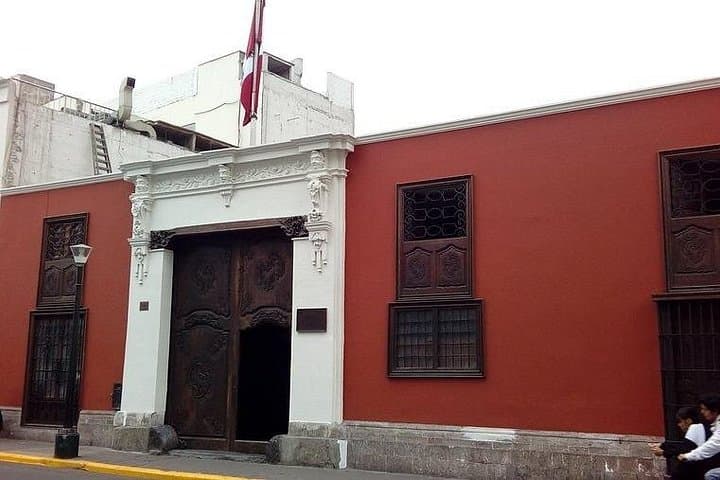
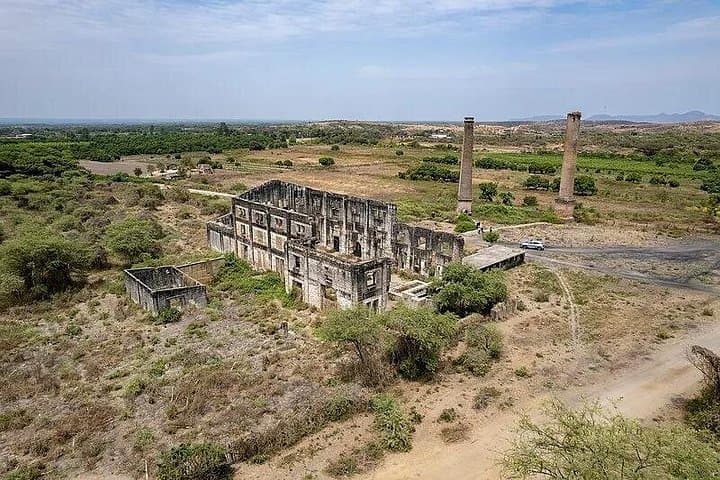
Drive out of Piura and the valley opens like a shifting hand—dusty fields, low hills, and the heat wavering above the road—until Chulucanas appears with its colored adobe facades and the hum of potters at work.
Verified experiences and guided adventures in the surrounding area.
Operated by Chullos Travel Peru · Chulucanas, Piura
Drive out of Piura and the valley opens like a shifting hand—dusty fields, low hills, and the heat wavering above the road—until Chulucanas appears with its colored adobe facades and the hum of potters at work.
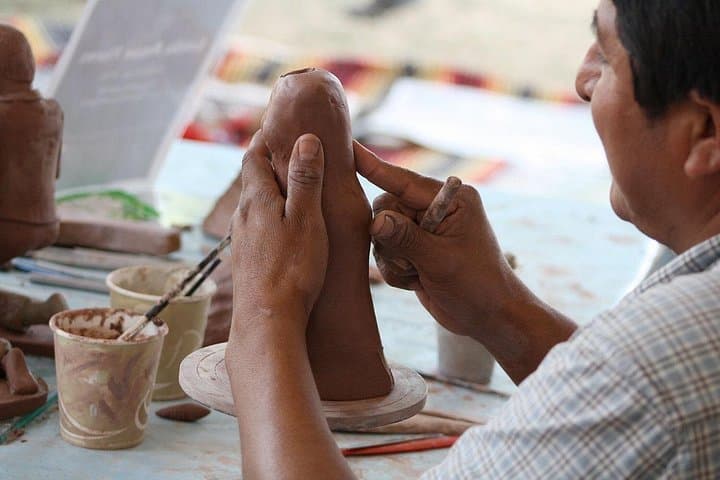
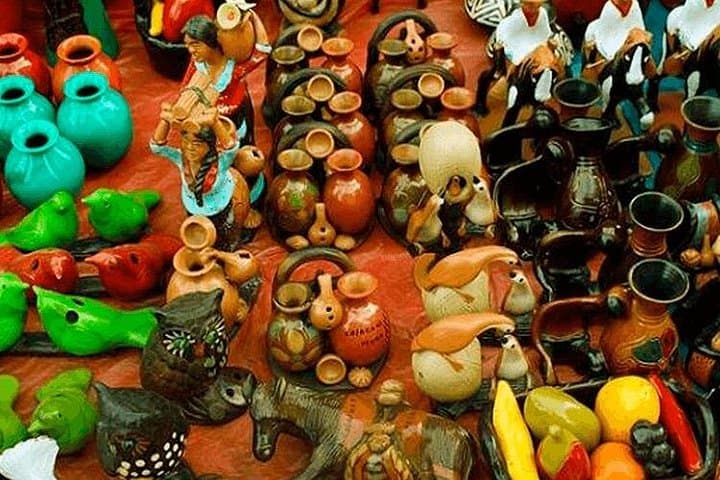
This full-day tour centers on Chulucanas’ centuries-old ceramics tradition, a local craft that earned a Designation of Origin for its clay work and black-and-white glazing. The itinerary typically includes the Ñacara Bridge, the main plaza and the Sagrada Familia church, the small Afro-Peruvian museum and visits to family-run talleres where pots are turned, burnished and painted by hand.
Geologically the region sits in a dry valley carved by seasonal streams; soils here are resilient and suited to terracotta production. Culturally, Chulucanas blends Indigenous ceramic techniques with Afro-Peruvian rhythms and northern Peruvian flavors—expect mentions of seco de chabelo and crunchy chifles at market stalls.
Practicalities matter: the round trip from Piura is about 60 km each way (roughly 1–1.5 hours), and the tour runs about seven hours including transport. Streets are mostly paved in town but workshops can be dusty; moderate fitness is enough because the day is low-impact but involves standing, light walking and stairs in some studios.
Bring sun protection, cash for purchases, and pack ceramics carefully for travel. Ask artisans about techniques—most are happy to demonstrate the burnishing and firing process. The day is part cultural anthropology, part hands-on craft show, and a solid way to see northern Peruvian life beyond Piura’s urban edge.
Yes—the tour lists pickup from hotels in Piura’s historical center; confirm your pickup point when booking.
Meals are not listed as included; you’ll have opportunities to buy local snacks or sit down for lunch at your own expense.
You can purchase ceramics, but pack them carefully in bubble wrap and carry them as checked baggage with fragile labeling—check airline allowances.
Children can join, but some workshop spaces have steps and tight areas; contact the operator for accessibility accommodations.
Chullos Travel Peru operates guided outdoor trips and adventures with an emphasis on safety, stewardship, and memorable experiences.
Drive out of Piura and the valley opens like a shifting hand—dusty fields, low hills, and the heat wavering above the road—until Chulucanas appears with its colored adobe facades and the hum of potters at work.
Drive out of Piura and the valley opens like a shifting hand—dusty fields, low hills, and the heat wavering above the road—until Chulucanas appears with its colored adobe facades and the hum of potters at work.
This full-day tour centers on Chulucanas’ centuries-old ceramics tradition, a local craft that earned a Designation of Origin for its clay work and black-and-white glazing. The itinerary typically includes the Ñacara Bridge, the main plaza and the Sagrada Familia church, the small Afro-Peruvian museum and visits to family-run talleres where pots are turned, burnished and painted by hand.
Geologically the region sits in a dry valley carved by seasonal streams; soils here are resilient and suited to terracotta production. Culturally, Chulucanas blends Indigenous ceramic techniques with Afro-Peruvian rhythms and northern Peruvian flavors—expect mentions of seco de chabelo and crunchy chifles at market stalls.
Practicalities matter: the round trip from Piura is about 60 km each way (roughly 1–1.5 hours), and the tour runs about seven hours including transport. Streets are mostly paved in town but workshops can be dusty; moderate fitness is enough because the day is low-impact but involves standing, light walking and stairs in some studios.
Bring sun protection, cash for purchases, and pack ceramics carefully for travel. Ask artisans about techniques—most are happy to demonstrate the burnishing and firing process. The day is part cultural anthropology, part hands-on craft show, and a solid way to see northern Peruvian life beyond Piura’s urban edge.