THE ADVENTURE COLLECTIVE® · Independent discovery and booking for outdoor travel

Spend a full day at Chumbe Island Coral Park snorkeling pristine reefs, strolling short forest trails, and sampling Swahili lunch in an intimate marine reserve. This private sanctuary emphasizes low-impact tourism and offers guided snorkeling, nature education, and eco-bungalow visits.
Spend a full day at Chumbe Island Coral Park snorkeling pristine reefs, strolling short forest trails, and sampling Swahili lunch in an intimate marine reserve. This private sanctuary emphasizes low-impact tourism and offers guided snorkeling, nature education, and eco-bungalow visits.
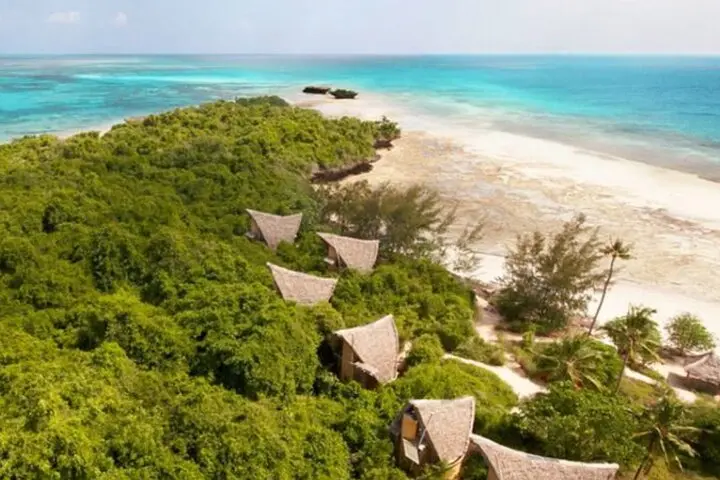
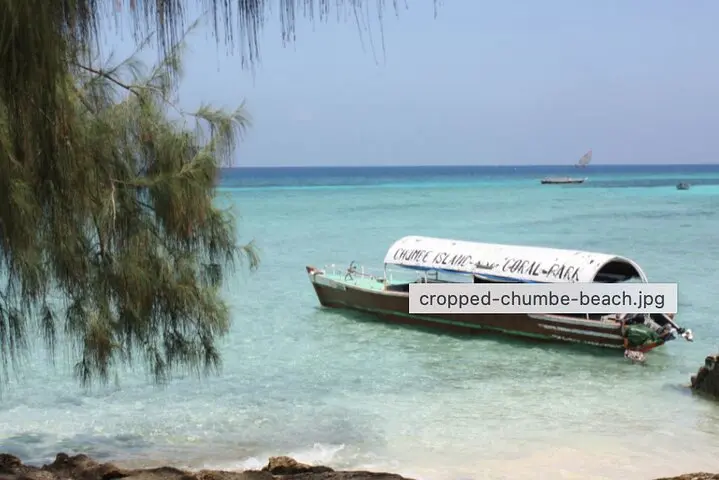
You step off the skiff onto a narrow sandbank and the sea seems to hold its breath—clear water skirts coral gardens that slope away into blue. On Chumbe Island, the reef reaches toward you first: plates of brain coral, purple sea fans, and darting parrotfish, while the island’s forest rustles with seabirds and the soft scuff of hermit crabs.
Verified experiences and guided adventures in the surrounding area.
Operated by Colors of Zanzibar · Stone Town, Zanzibar
You step off the skiff onto a narrow sandbank and the sea seems to hold its breath—clear water skirts coral gardens that slope away into blue. On Chumbe Island, the reef reaches toward you first: plates of brain coral, purple sea fans, and darting parrotfish, while the island’s forest rustles with seabirds and the soft scuff of hermit crabs.
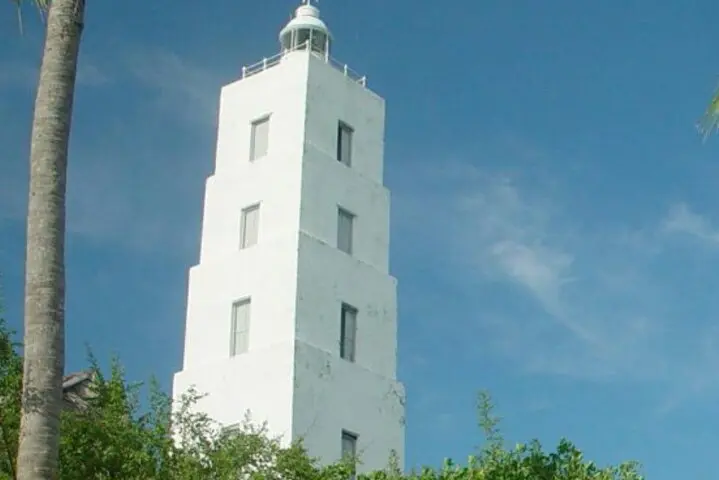
Chumbe Island Coral Park is one of East Africa’s early private marine reserves, created in the 1990s to protect an intact fringing reef and a small coastal forest. Geologically the island is a coral uplift with exposed fossil reef and sandy spits; culturally it’s tied to Zanzibar’s Swahili seafaring history and nearby Stone Town’s trading past.
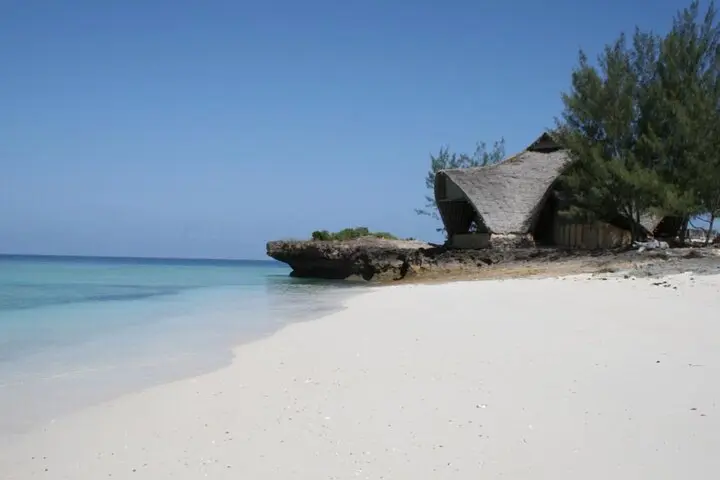
Walk the short nature trails to learn about native flora and the reserve’s conservation work, then slide into clear water for guided snorkeling among turtles, reef fish, and healthy hard corals. Lunch is Swahili-style—spiced fish, coconut rice—served simply on the beach, and you can tour one of the seven low-impact eco-bungalows to see how the park balances tourism and restoration.
Practical notes: the tour is a full-day outing from Stone Town (about 45–60 minutes by boat depending on sea state). Expect light walking on uneven sandy and rocky paths, basic snorkeling in shallow to mid-depth reef, and modest facilities—bring reef-safe sunscreen, a hat, and a waterproof bag. The park limits visitor numbers and emphasizes low-impact behavior: keep a respectful distance from wildlife, avoid standing on coral, and follow your guide’s briefings to make the most of a rare, well-preserved reef experience.
Boat transfer typically takes 45–60 minutes each way depending on sea state and departure point in Stone Town.
Yes—basic snorkeling equipment is included, but many visitors bring their own mask for the best fit and clarity.
The park operates seven eco-bungalows for overnight stays, but day tours usually include only a daytime visit and bungalow tours; book separately for lodging.
Yes—basic composting toilets and a beachside kitchen provide Swahili lunch; facilities are modest and designed to minimize environmental impact.
Colors of Zanzibar operates guided outdoor trips and adventures with an emphasis on safety, stewardship, and memorable experiences.
You step off the skiff onto a narrow sandbank and the sea seems to hold its breath—clear water skirts coral gardens that slope away into blue. On Chumbe Island, the reef reaches toward you first: plates of brain coral, purple sea fans, and darting parrotfish, while the island’s forest rustles with seabirds and the soft scuff of hermit crabs.
You step off the skiff onto a narrow sandbank and the sea seems to hold its breath—clear water skirts coral gardens that slope away into blue. On Chumbe Island, the reef reaches toward you first: plates of brain coral, purple sea fans, and darting parrotfish, while the island’s forest rustles with seabirds and the soft scuff of hermit crabs.
Chumbe Island Coral Park is one of East Africa’s early private marine reserves, created in the 1990s to protect an intact fringing reef and a small coastal forest. Geologically the island is a coral uplift with exposed fossil reef and sandy spits; culturally it’s tied to Zanzibar’s Swahili seafaring history and nearby Stone Town’s trading past.
Walk the short nature trails to learn about native flora and the reserve’s conservation work, then slide into clear water for guided snorkeling among turtles, reef fish, and healthy hard corals. Lunch is Swahili-style—spiced fish, coconut rice—served simply on the beach, and you can tour one of the seven low-impact eco-bungalows to see how the park balances tourism and restoration.
Practical notes: the tour is a full-day outing from Stone Town (about 45–60 minutes by boat depending on sea state). Expect light walking on uneven sandy and rocky paths, basic snorkeling in shallow to mid-depth reef, and modest facilities—bring reef-safe sunscreen, a hat, and a waterproof bag. The park limits visitor numbers and emphasizes low-impact behavior: keep a respectful distance from wildlife, avoid standing on coral, and follow your guide’s briefings to make the most of a rare, well-preserved reef experience.