THE ADVENTURE COLLECTIVE® · Independent discovery and booking for outdoor travel

Spend a day among coffee fincas and conservation areas outside Pereira, visiting Santuario and San Rafael to learn traditional coffee production and local ecotourism efforts. This full-day tour pairs cultural insights with short walks and farm demonstrations.
Spend a day among coffee fincas and conservation areas outside Pereira, visiting Santuario and San Rafael to learn traditional coffee production and local ecotourism efforts. This full-day tour pairs cultural insights with short walks and farm demonstrations.
Morning light spills over mist-bent coffee bushes as the vehicle threads a narrow road toward two small Risaralda towns. Travelers step from private transport into a day shaped by steep cobbled streets, plain wooden balconies, and the warm rhythm of coffee processing. The air smells of roasted beans and wet earth; birds call from the shade as local guides outline the route.
Verified experiences and guided adventures in the surrounding area.
Operated by Cattleya SER - Ecoturismo · Pereira, Risaralda
Morning light spills over mist-bent coffee bushes as the vehicle threads a narrow road toward two small Risaralda towns. Travelers step from private transport into a day shaped by steep cobbled streets, plain wooden balconies, and the warm rhythm of coffee processing. The air smells of roasted beans and wet earth; birds call from the shade as local guides outline the route.
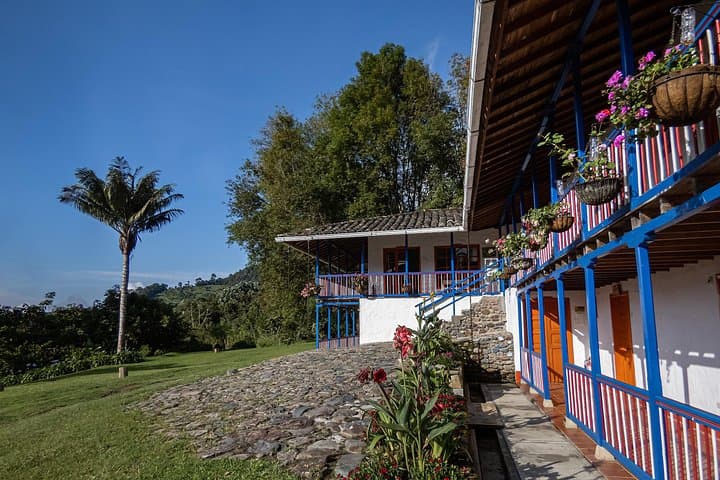
These villages sit inside Colombia’s Eje Cafetero, a landscape forged by volcanic soils and the 19th-century coffee boom. Architecture here reflects the region’s colonial and Antioqueño farmhouse styles—simple clay tiles, whitewashed walls, and verandas used for drying beans. Geology is visible in the red, fertile slopes and river-cut valleys; conservation pockets protect cloud forest fragments and water sources that feed downstream farms.
The tour highlights community ecotourism: family-run fincas demonstrating planting, selective harvesting, and traditional roasting, paired with stops at conservation areas where locals restore native trees. Visitors learn cultural practices—coffee tasting, finca chores, and the social bonds that keep the coffee economy alive.
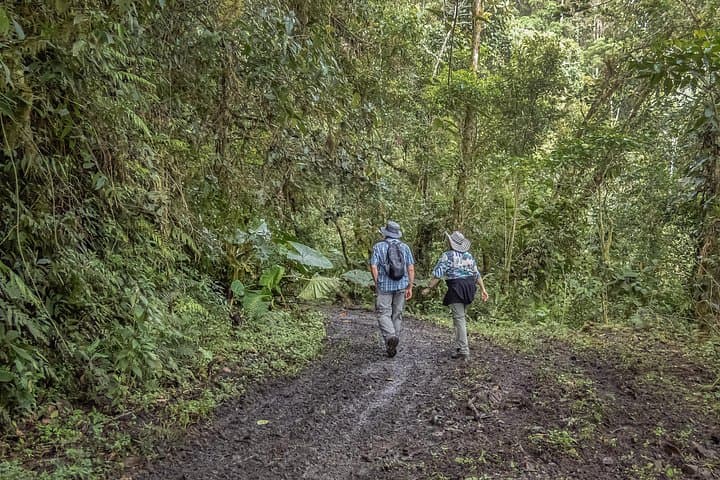
Practical detail: this is an 11-hour, transport-heavy day with light walking on uneven streets and short finca trails. Bring sturdy shoes and a lightweight rain layer; hydration and sun protection matter in open highland sections. Expect guided interpretation, breakfast and lunch, bottled water and snacks provided, and opportunities to buy directly from producers. Mornings are best for clear valley views; afternoons can bring brief showers. Travelers should budget time for photography, polite farm etiquette, and modest cash for purchases.
The tour is roughly 11 hours with private transport; walking is light—short farm trails and town streets with time for demonstrations and tastings.
Yes—breakfast, lunch, snacks and bottled water are included as listed in the itinerary.
The operator marks it suitable for most ages, but it’s not recommended for pregnant travelers; check specifics with the provider before booking.
Yes—most family fincas sell small-batch beans on-site; bring local currency for purchases.
Cattleya SER - Ecoturismo operates guided outdoor trips and adventures with an emphasis on safety, stewardship, and memorable experiences.

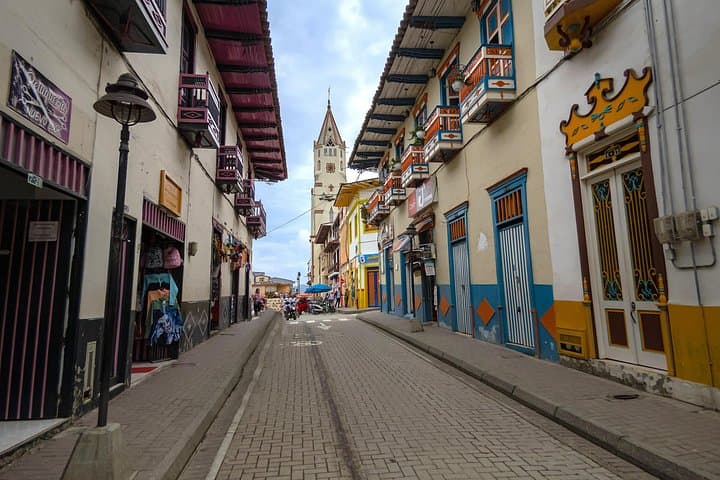
Morning light spills over mist-bent coffee bushes as the vehicle threads a narrow road toward two small Risaralda towns. Travelers step from private transport into a day shaped by steep cobbled streets, plain wooden balconies, and the warm rhythm of coffee processing. The air smells of roasted beans and wet earth; birds call from the shade as local guides outline the route.
Morning light spills over mist-bent coffee bushes as the vehicle threads a narrow road toward two small Risaralda towns. Travelers step from private transport into a day shaped by steep cobbled streets, plain wooden balconies, and the warm rhythm of coffee processing. The air smells of roasted beans and wet earth; birds call from the shade as local guides outline the route.
These villages sit inside Colombia’s Eje Cafetero, a landscape forged by volcanic soils and the 19th-century coffee boom. Architecture here reflects the region’s colonial and Antioqueño farmhouse styles—simple clay tiles, whitewashed walls, and verandas used for drying beans. Geology is visible in the red, fertile slopes and river-cut valleys; conservation pockets protect cloud forest fragments and water sources that feed downstream farms.
The tour highlights community ecotourism: family-run fincas demonstrating planting, selective harvesting, and traditional roasting, paired with stops at conservation areas where locals restore native trees. Visitors learn cultural practices—coffee tasting, finca chores, and the social bonds that keep the coffee economy alive.
Practical detail: this is an 11-hour, transport-heavy day with light walking on uneven streets and short finca trails. Bring sturdy shoes and a lightweight rain layer; hydration and sun protection matter in open highland sections. Expect guided interpretation, breakfast and lunch, bottled water and snacks provided, and opportunities to buy directly from producers. Mornings are best for clear valley views; afternoons can bring brief showers. Travelers should budget time for photography, polite farm etiquette, and modest cash for purchases.