THE ADVENTURE COLLECTIVE® · Independent discovery and booking for outdoor travel

A wake-up call in Arequipa leads to one of South America’s most dramatic ravines: Colca Canyon. This full-day tour hits Condor’s Cross, Chivay’s hot springs, and a final transfer to Puno—ideal for keen travelers who want wildlife, geology and a practical route between cities.
A wake-up call in Arequipa leads to one of South America’s most dramatic ravines: Colca Canyon. This full-day tour hits Condor’s Cross, Chivay’s hot springs, and a final transfer to Puno—ideal for keen travelers who want wildlife, geology and a practical route between cities.
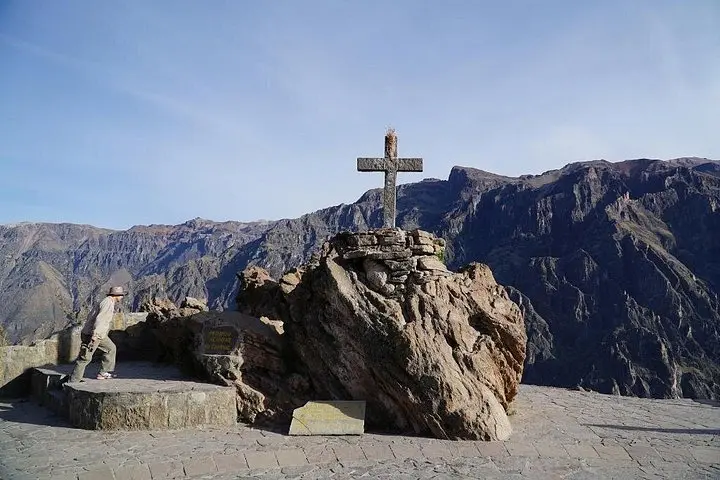
You climb into the bus before dawn and the Andes open up: a hard, wind-cut light on volcanic ridges, terraces folded into the valley walls, and a high silence that makes each engine noise sharper. By the time you arrive at the Condor’s Cross the canyon drops away in layers of ochre and slate and the wind itself seems to lift the condors until they circle and drift like slow weather.
Verified experiences and guided adventures in the surrounding area.
Operated by Trek The Colca · Chivay, Arequipa
You climb into the bus before dawn and the Andes open up: a hard, wind-cut light on volcanic ridges, terraces folded into the valley walls, and a high silence that makes each engine noise sharper. By the time you arrive at the Condor’s Cross the canyon drops away in layers of ochre and slate and the wind itself seems to lift the condors until they circle and drift like slow weather.
Colca Canyon is geologically young and dramatically deep—twice the depth of the Grand Canyon in places—carved between snow-capped peaks such as Ampato and the volcanic spine that defines southern Peru. Human history here is older than the Spanish presence; Collagua and Cabana communities sculpted terraces and irrigation systems still visible from roadside viewpoints. Small adobe towns like Chivay and Yanque keep traditional weaving and market rhythms alive.
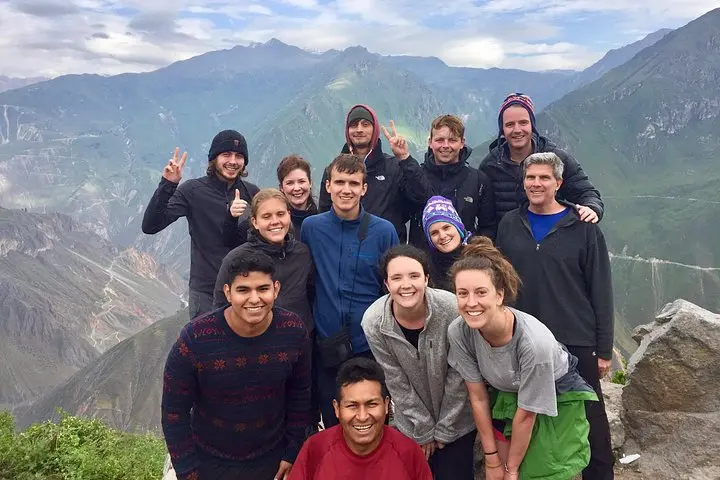
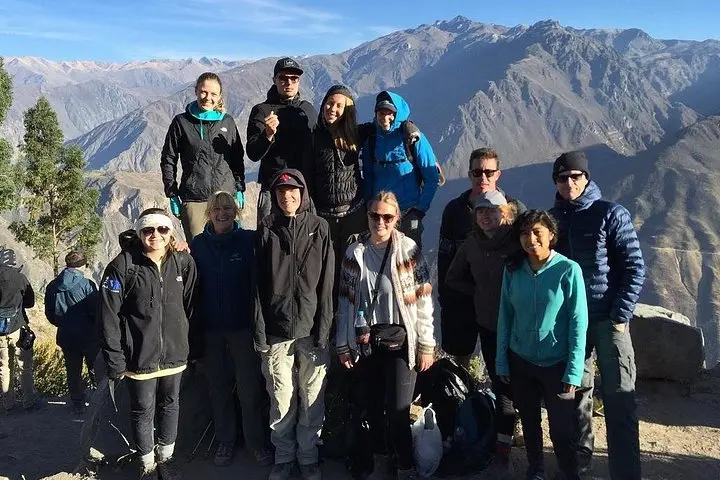
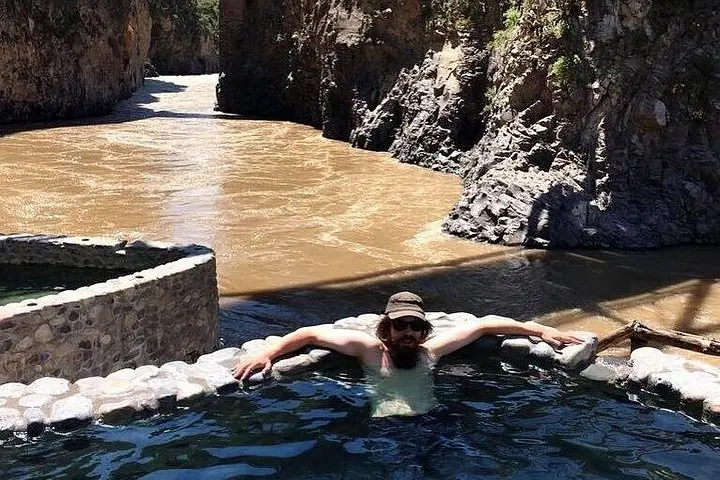
On this full-day route expect window seats, a brisk viewpoint walk at the Condor’s Cross, a warm optional soak in Chivay hot springs, and a quick stop at Pampa Cañahuas to watch vicuñas graze beneath volcanic cones. The tour includes breakfast and private transport; it finishes in Puno for onward travel.
Practical edge: prepare for high altitude and long travel times—breaks are short, so hydrate beforehand, layer for wind and sun, and wear sturdy shoes for uneven viewpoints. Cameras with neutral-density filters help capture the condors against bright sky. If you’re sensitive to altitude, allow extra acclimatization in Arequipa before booking.
No; condor sightings are common especially in the dry season but never guaranteed—early morning and clear skies improve the chances.
No; the hot springs entrance (around 15 soles) is optional and paid on-site at Chivay.
The tour typically includes pickup if you book from central Arequipa—confirm your exact pickup point when reserving.
Acclimatize in Arequipa, hydrate, avoid alcohol the night before, and consider acetazolamide if prescribed by a doctor.
Trek The Colca operates guided outdoor trips and adventures with an emphasis on safety, stewardship, and memorable experiences.
You climb into the bus before dawn and the Andes open up: a hard, wind-cut light on volcanic ridges, terraces folded into the valley walls, and a high silence that makes each engine noise sharper. By the time you arrive at the Condor’s Cross the canyon drops away in layers of ochre and slate and the wind itself seems to lift the condors until they circle and drift like slow weather.
You climb into the bus before dawn and the Andes open up: a hard, wind-cut light on volcanic ridges, terraces folded into the valley walls, and a high silence that makes each engine noise sharper. By the time you arrive at the Condor’s Cross the canyon drops away in layers of ochre and slate and the wind itself seems to lift the condors until they circle and drift like slow weather.
Colca Canyon is geologically young and dramatically deep—twice the depth of the Grand Canyon in places—carved between snow-capped peaks such as Ampato and the volcanic spine that defines southern Peru. Human history here is older than the Spanish presence; Collagua and Cabana communities sculpted terraces and irrigation systems still visible from roadside viewpoints. Small adobe towns like Chivay and Yanque keep traditional weaving and market rhythms alive.
On this full-day route expect window seats, a brisk viewpoint walk at the Condor’s Cross, a warm optional soak in Chivay hot springs, and a quick stop at Pampa Cañahuas to watch vicuñas graze beneath volcanic cones. The tour includes breakfast and private transport; it finishes in Puno for onward travel.
Practical edge: prepare for high altitude and long travel times—breaks are short, so hydrate beforehand, layer for wind and sun, and wear sturdy shoes for uneven viewpoints. Cameras with neutral-density filters help capture the condors against bright sky. If you’re sensitive to altitude, allow extra acclimatization in Arequipa before booking.