THE ADVENTURE COLLECTIVE® · Independent discovery and booking for outdoor travel

Spend a day tasting centuries of South African wine and walking one of the world’s top botanical gardens. This full‑day tour pairs historic Constantia estates with Kirstenbosch’s fynbos and canopy walks for a balanced nature-and-wine experience.
Spend a day tasting centuries of South African wine and walking one of the world’s top botanical gardens. This full‑day tour pairs historic Constantia estates with Kirstenbosch’s fynbos and canopy walks for a balanced nature-and-wine experience.
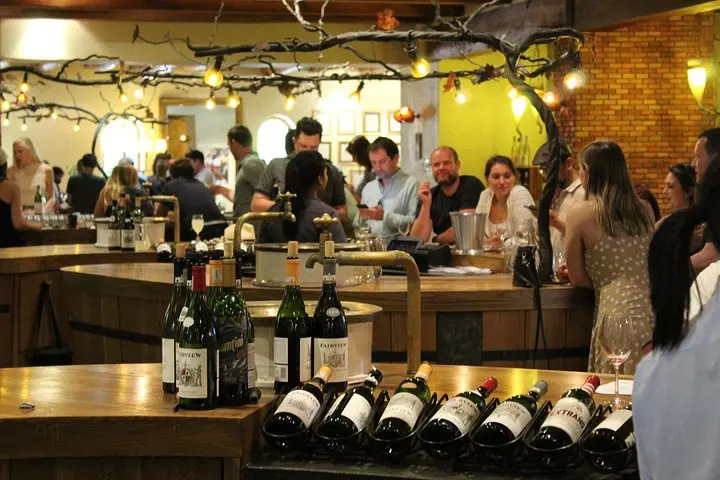
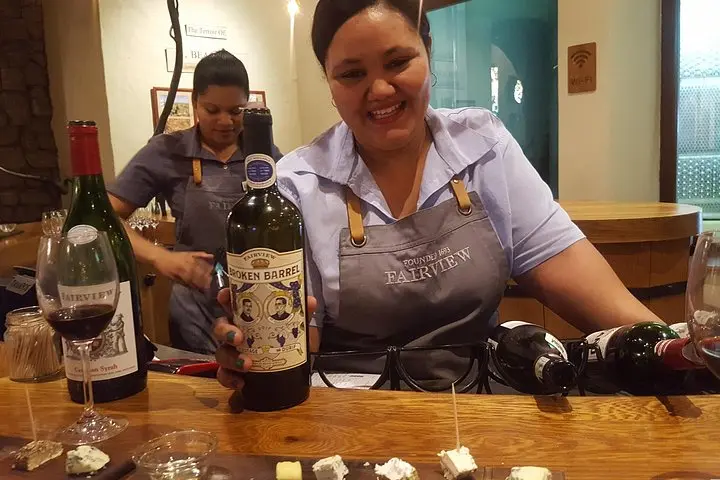
Morning light pours down the slopes of the Constantia Valley as the tour vehicle eases into a lane lined with oak and eucalyptus; the air smells faintly of earth and fermenting grapes. You step out at a 300‑year‑old estate where cellar doors open onto gravel courtyards and oak barrels keep their silence.
Verified experiences and guided adventures in the surrounding area.
Operated by Remigeous Tsuro · Cape Town, Western Cape
Morning light pours down the slopes of the Constantia Valley as the tour vehicle eases into a lane lined with oak and eucalyptus; the air smells faintly of earth and fermenting grapes. You step out at a 300‑year‑old estate where cellar doors open onto gravel courtyards and oak barrels keep their silence.
This route links two of Cape Town’s living histories: the Constantia wine estates—whose roots reach back to the late 17th century and the arrival of French Huguenot vintners—and Kirstenbosch National Botanical Garden, part of the globally significant Cape Floristic Region. Geologically, the valley is carved from Table Mountain sandstone and granite, producing well‑drained soils that shape distinctive wine profiles and fynbos vegetation.
Culture here blends Dutch colonial farm architecture, indigenous plant stewardship, and modern South African hospitality; you’ll hear stories of early viticulture, slave labour contributions, and the evolution of wine exports to Europe.
Practical side: expect multiple short stops—cellar tastings, a walk on the Boomslang canopy at Kirstenbosch, and time for lunch or a deli pairing. The day is low‑impact on fitness but sensory‑intensive: sun, aromas, and steep cellar steps at some estates. Bring a refillable water bottle, sun protection, and a light wind layer for coastal breezes. Wheelchair access is generally good at main points but confirm specifics with your operator.
Timing matters—mornings are best for botanical diversity and cooler tasting rooms; afternoons bring softer light across vineyard rows. Whether you come for the wines, the gardens, or the history, this full‑day loop delivers a grounded, scenic immersion into Cape Town’s green and vinous side.
Tastings vary by estate and are often payable on-site; the itinerary notes opportunities to buy wine rather than blanket included tastings—confirm specifics when booking.
Yes—this tour typically includes hotel pickup and drop-off in Cape Town as part of the service.
Main points like Kirstenbosch and some estates offer wheelchair access, but historic cellars may have steps—notify the operator of accessibility needs in advance.
Families are welcome; infant seats are available and activities are suitable for all ages, though tastings are restricted to adults.
Remigeous Tsuro operates guided outdoor trips and adventures with an emphasis on safety, stewardship, and memorable experiences.
Morning light pours down the slopes of the Constantia Valley as the tour vehicle eases into a lane lined with oak and eucalyptus; the air smells faintly of earth and fermenting grapes. You step out at a 300‑year‑old estate where cellar doors open onto gravel courtyards and oak barrels keep their silence.
Morning light pours down the slopes of the Constantia Valley as the tour vehicle eases into a lane lined with oak and eucalyptus; the air smells faintly of earth and fermenting grapes. You step out at a 300‑year‑old estate where cellar doors open onto gravel courtyards and oak barrels keep their silence.
This route links two of Cape Town’s living histories: the Constantia wine estates—whose roots reach back to the late 17th century and the arrival of French Huguenot vintners—and Kirstenbosch National Botanical Garden, part of the globally significant Cape Floristic Region. Geologically, the valley is carved from Table Mountain sandstone and granite, producing well‑drained soils that shape distinctive wine profiles and fynbos vegetation.
Culture here blends Dutch colonial farm architecture, indigenous plant stewardship, and modern South African hospitality; you’ll hear stories of early viticulture, slave labour contributions, and the evolution of wine exports to Europe.
Practical side: expect multiple short stops—cellar tastings, a walk on the Boomslang canopy at Kirstenbosch, and time for lunch or a deli pairing. The day is low‑impact on fitness but sensory‑intensive: sun, aromas, and steep cellar steps at some estates. Bring a refillable water bottle, sun protection, and a light wind layer for coastal breezes. Wheelchair access is generally good at main points but confirm specifics with your operator.
Timing matters—mornings are best for botanical diversity and cooler tasting rooms; afternoons bring softer light across vineyard rows. Whether you come for the wines, the gardens, or the history, this full‑day loop delivers a grounded, scenic immersion into Cape Town’s green and vinous side.