THE ADVENTURE COLLECTIVE® · Independent discovery and booking for outdoor travel

A demanding full-day from Drake Bay that pairs a coastal boat ride with rainforest hikes at Sirena and San Pedrillo stations—prime for tapirs, monkeys, and rare birds. Expect long transfers, muddy trails, and expert guides who know where wildlife hides.
A demanding full-day from Drake Bay that pairs a coastal boat ride with rainforest hikes at Sirena and San Pedrillo stations—prime for tapirs, monkeys, and rare birds. Expect long transfers, muddy trails, and expert guides who know where wildlife hides.
You step off a small skiff as the Osa’s surf nudges the shoreline and the forest exhales—humid, green, and full of sound. The morning boat across Drake Bay is part of the trip: salt on your face, shorebirds cutting the horizon, and the coastline shrinking as primary rainforest takes over. At Sirena Biological Station the trail forks into a cathedral of buttressed trees where howler and white-faced capuchin calls punctuate the air and coatis push through leaf litter.
Verified experiences and guided adventures in the surrounding area.
Operated by Gitana Adventure Corcovado · Drake Bay, Puntarenas
You step off a small skiff as the Osa’s surf nudges the shoreline and the forest exhales—humid, green, and full of sound. The morning boat across Drake Bay is part of the trip: salt on your face, shorebirds cutting the horizon, and the coastline shrinking as primary rainforest takes over. At Sirena Biological Station the trail forks into a cathedral of buttressed trees where howler and white-faced capuchin calls punctuate the air and coatis push through leaf litter.
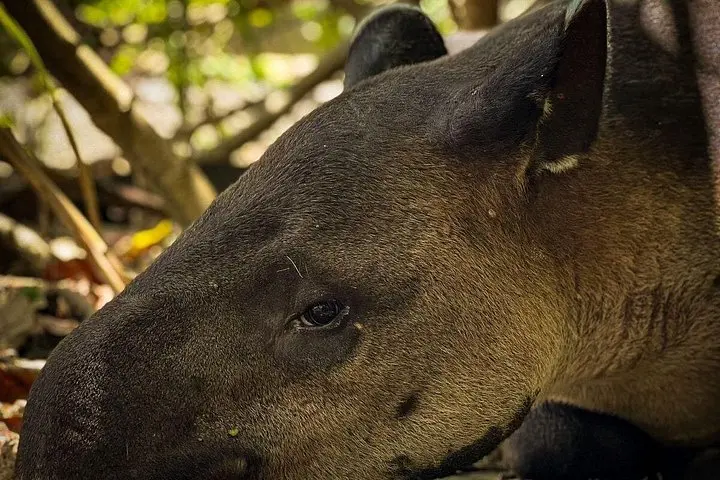
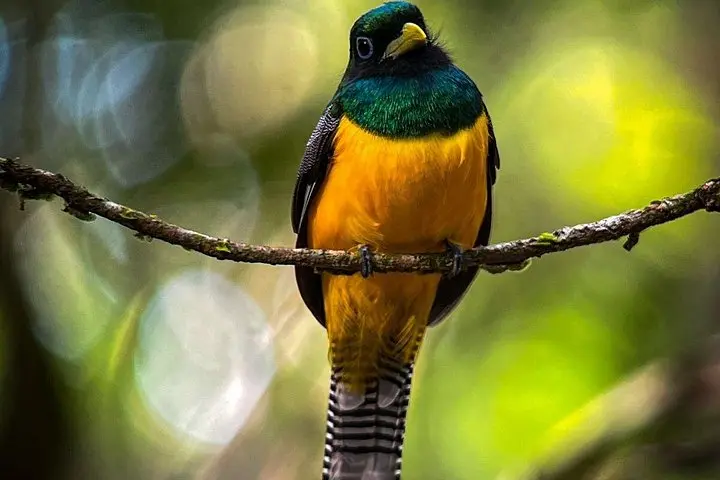
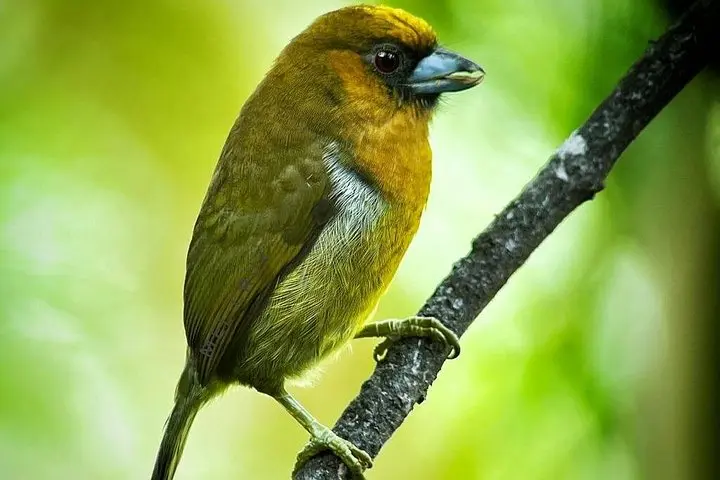
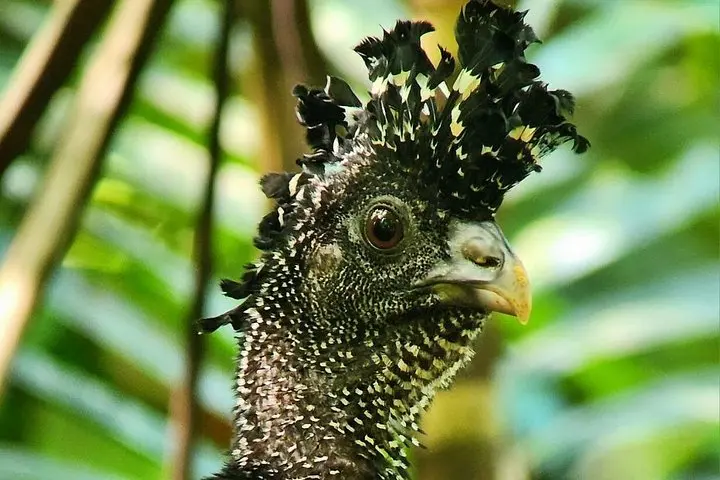
Corcovado is one of Costa Rica’s last large tracts of lowland Pacific rainforest, carved by tectonic uplift and fed by heavy seasonal rains. The park’s stations—Sirena and San Pedrillo—were established for research and ranger presence; they remain the best places to see tapirs, peccaries, ocelots (rarely), and abundant birdlife. Local guides read animal signs and bird calls like a language: their knowledge turns a long day into targeted wildlife watching.
Practical guidance: this is a full, physically demanding day — expect a 1.5-hour boat transfer each way plus 4–5 hours of hiking over uneven, often muddy trails. Wear grippy, broken-in hiking shoes, bring a rain layer, insect protection, and a lightweight daypack for water and camera gear. Hydrate before you start; pace climbs and watch footing on roots and slick rocks. Timing matters—early morning on Sirena gives the highest likelihood of large-mammal encounters, while midafternoon at San Pedrillo can reveal different bird species and quieter trails.
The scheduled transfer is about 1.5 hours each way, depending on sea conditions and the exact landing point.
Yes — the tour states that national park tickets and applicable fees are included in the price.
No — operators advise against children under 10 and those with spinal, cardiovascular, or limited mobility due to long hikes and boat transfers.
Common sightings include white-faced capuchins, howler monkeys, sloths, peccaries, a variety of shore and forest birds, and occasionally tapirs.
Gitana Adventure Corcovado operates guided outdoor trips and adventures with an emphasis on safety, stewardship, and memorable experiences.
You step off a small skiff as the Osa’s surf nudges the shoreline and the forest exhales—humid, green, and full of sound. The morning boat across Drake Bay is part of the trip: salt on your face, shorebirds cutting the horizon, and the coastline shrinking as primary rainforest takes over. At Sirena Biological Station the trail forks into a cathedral of buttressed trees where howler and white-faced capuchin calls punctuate the air and coatis push through leaf litter.
You step off a small skiff as the Osa’s surf nudges the shoreline and the forest exhales—humid, green, and full of sound. The morning boat across Drake Bay is part of the trip: salt on your face, shorebirds cutting the horizon, and the coastline shrinking as primary rainforest takes over. At Sirena Biological Station the trail forks into a cathedral of buttressed trees where howler and white-faced capuchin calls punctuate the air and coatis push through leaf litter.
Corcovado is one of Costa Rica’s last large tracts of lowland Pacific rainforest, carved by tectonic uplift and fed by heavy seasonal rains. The park’s stations—Sirena and San Pedrillo—were established for research and ranger presence; they remain the best places to see tapirs, peccaries, ocelots (rarely), and abundant birdlife. Local guides read animal signs and bird calls like a language: their knowledge turns a long day into targeted wildlife watching.
Practical guidance: this is a full, physically demanding day — expect a 1.5-hour boat transfer each way plus 4–5 hours of hiking over uneven, often muddy trails. Wear grippy, broken-in hiking shoes, bring a rain layer, insect protection, and a lightweight daypack for water and camera gear. Hydrate before you start; pace climbs and watch footing on roots and slick rocks. Timing matters—early morning on Sirena gives the highest likelihood of large-mammal encounters, while midafternoon at San Pedrillo can reveal different bird species and quieter trails.