THE ADVENTURE COLLECTIVE® · Independent discovery and booking for outdoor travel

A long day from Quito that pairs the glaciated cone of Cotopaxi with the turquoise crater of Quilotoa. Expect high-altitude hikes, cultural stopovers, and sweeping Andean scenery with vehicle transfers and a local guide.
A long day from Quito that pairs the glaciated cone of Cotopaxi with the turquoise crater of Quilotoa. Expect high-altitude hikes, cultural stopovers, and sweeping Andean scenery with vehicle transfers and a local guide.
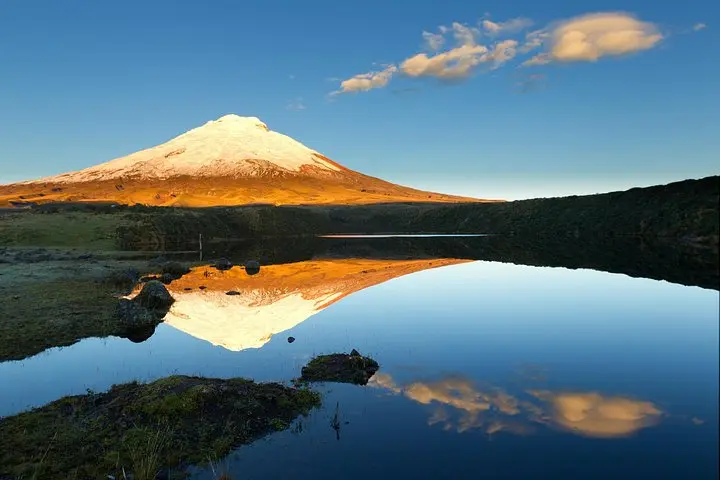
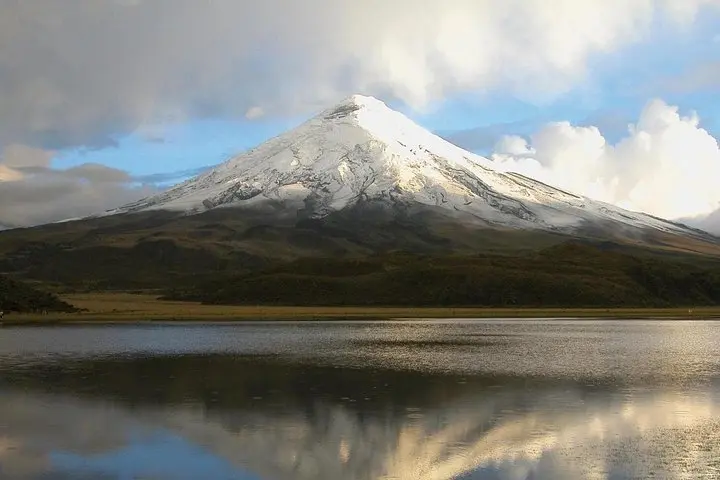
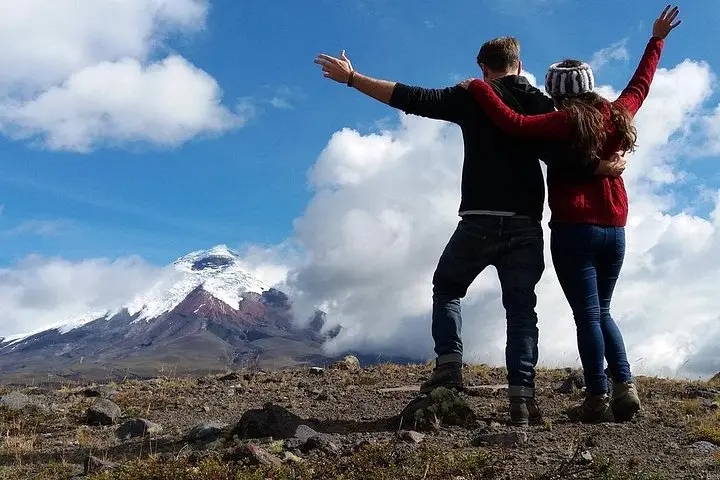
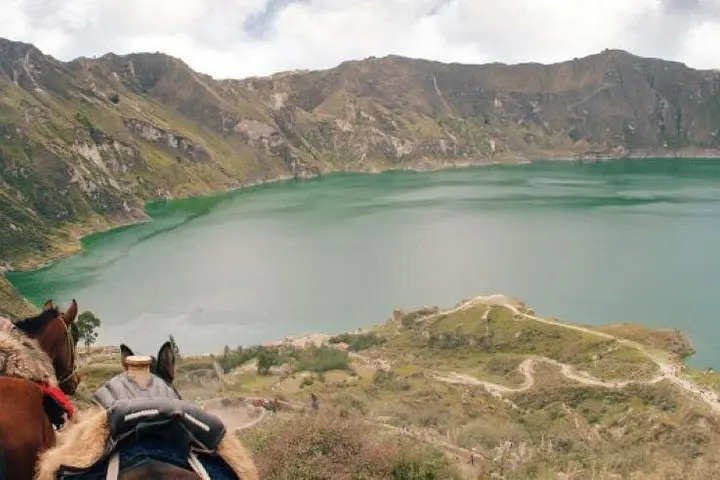
You step out of the van into the thin, cold air and the volcanoes loom like old guards: Cotopaxi’s cone still wears a cap of glacier, Quilotoa’s crater pool glows a hard, improbable turquoise. The road from Quito unwinds across high páramo—grassy ridgelines, wind-bent lupines and the occasional grazing llamas—until the national park opens and the world narrows to rock and sky.
Verified experiences and guided adventures in the surrounding area.
Operated by BM TOURS SA · Quito, Pichincha
You step out of the van into the thin, cold air and the volcanoes loom like old guards: Cotopaxi’s cone still wears a cap of glacier, Quilotoa’s crater pool glows a hard, improbable turquoise. The road from Quito unwinds across high páramo—grassy ridgelines, wind-bent lupines and the occasional grazing llamas—until the national park opens and the world narrows to rock and sky.
Cotopaxi National Park was Ecuador’s early conservation focus; Cotopaxi itself is one of the highest active stratovolcanoes in the world, its glacial apron and loose pumice telling a story of repeated eruptions and rapid geological uplift. Quilotoa, formed by a massive collapse, now holds a crater lake dyed by dissolved minerals and fed only by rain. Along the route you’ll pass indigenous communities where Andean crafts and agricultural terraces remain part of daily life, and viewpoints over the Toachi canyon remind you rivers here have carved fast and deep.
Practicalities matter at 3,000–5,800 m. Expect a full 10–11 hour day with hotel pickup in Quito, vehicle transfers between sites, a short hike around Limpiopungo, and an option to walk to Cotopaxi’s refuge or down to Quilotoa’s rim depending on weather. Dress in insulated layers, bring sun protection and water, and plan for altitude—slow your pace and respect warning signs. Guides provide context and logistics; if you want summit ice or extended crater descents, book a specialist climb. Otherwise, this route delivers high-Andean scenery, cultural stops and two of Ecuador’s most dramatic volcanic landscapes in a single, long day.
The tour runs about 10–11 hours with an early morning pickup in Quito, visits to Cotopaxi National Park including Limpiopungo, a stop in indigenous communities, and time at Quilotoa crater before returning to Quito.
No technical experience is required, but you should be prepared for altitude up to ~4,800–5,000 m for viewpoints and refuges; acclimatization and conservative pacing are advised.
Yes—this tour typically includes transportation and national park admissions; confirm specifics with the operator at booking.
Short rim walks are common; descending to the lake is possible but steep and can add time—check weather and fitness before attempting the descent.
BM TOURS SA operates guided outdoor trips and adventures with an emphasis on safety, stewardship, and memorable experiences.
You step out of the van into the thin, cold air and the volcanoes loom like old guards: Cotopaxi’s cone still wears a cap of glacier, Quilotoa’s crater pool glows a hard, improbable turquoise. The road from Quito unwinds across high páramo—grassy ridgelines, wind-bent lupines and the occasional grazing llamas—until the national park opens and the world narrows to rock and sky.
You step out of the van into the thin, cold air and the volcanoes loom like old guards: Cotopaxi’s cone still wears a cap of glacier, Quilotoa’s crater pool glows a hard, improbable turquoise. The road from Quito unwinds across high páramo—grassy ridgelines, wind-bent lupines and the occasional grazing llamas—until the national park opens and the world narrows to rock and sky.
Cotopaxi National Park was Ecuador’s early conservation focus; Cotopaxi itself is one of the highest active stratovolcanoes in the world, its glacial apron and loose pumice telling a story of repeated eruptions and rapid geological uplift. Quilotoa, formed by a massive collapse, now holds a crater lake dyed by dissolved minerals and fed only by rain. Along the route you’ll pass indigenous communities where Andean crafts and agricultural terraces remain part of daily life, and viewpoints over the Toachi canyon remind you rivers here have carved fast and deep.
Practicalities matter at 3,000–5,800 m. Expect a full 10–11 hour day with hotel pickup in Quito, vehicle transfers between sites, a short hike around Limpiopungo, and an option to walk to Cotopaxi’s refuge or down to Quilotoa’s rim depending on weather. Dress in insulated layers, bring sun protection and water, and plan for altitude—slow your pace and respect warning signs. Guides provide context and logistics; if you want summit ice or extended crater descents, book a specialist climb. Otherwise, this route delivers high-Andean scenery, cultural stops and two of Ecuador’s most dramatic volcanic landscapes in a single, long day.