THE ADVENTURE COLLECTIVE® · Independent discovery and booking for outdoor travel

Drive the Avenue of the Volcanoes from Quito to Cotopaxi National Park, hike toward the José Rivas Refuge at 15,750 ft, and circle Limpiopungo lagoon with chances to spot condors and wild horses. This flexible full-day tour balances scenery, culture, and altitude-aware hiking.
Drive the Avenue of the Volcanoes from Quito to Cotopaxi National Park, hike toward the José Rivas Refuge at 15,750 ft, and circle Limpiopungo lagoon with chances to spot condors and wild horses. This flexible full-day tour balances scenery, culture, and altitude-aware hiking.
A cold wind pushes across the high grass as the road climbs away from Quito and the volcanic skyline takes shape: Cotopaxi’s cone rising like a weathered lighthouse above the páramo. Travelers arrive by mid-morning, the air thin and bright; stone paths and scrubby grasses lead toward the José Rivas Refuge at roughly 15,750 ft (4,804 m), where the summit’s shadow and glacial shoulders command attention.
Verified experiences and guided adventures in the surrounding area.
Operated by See Galapagos · Quito, Pichincha
A cold wind pushes across the high grass as the road climbs away from Quito and the volcanic skyline takes shape: Cotopaxi’s cone rising like a weathered lighthouse above the páramo. Travelers arrive by mid-morning, the air thin and bright; stone paths and scrubby grasses lead toward the José Rivas Refuge at roughly 15,750 ft (4,804 m), where the summit’s shadow and glacial shoulders command attention.
Cotopaxi is one of the highest active volcanoes in the world and a defining feature of Ecuador’s Avenue of the Volcanoes. Geology here is raw—layers of andesite and volcanic ash sculpted by eruptions and glacial erosion. The park has long been part of Andean life, with haciendas and indigenous communities on its flanks and a history tied to both agriculture and highland transport. Wildlife stakes a claim too: Andean condors wheel on thermals while hardy wild horses graze the plains.
On this full-day outing from Quito, expect a mix of scenic driving, short interpretive stops at the Mariscal Sucre center, a walk around Limpiopungo lagoon when weather permits, and the uphill push to José Rivas Refuge. The guide paces the group and provides local context and photo stops; lunch at a nearby restaurant refuels before the return to the city.
Practical guidance: protect against altitude—move deliberately, hydrate, and carry warm layers. Sturdy boots and sun protection matter; weather can shift fast. Plan for an 8-hour day with several steep sections, and allow extra time for photos and short wildlife watches.
The hike is moderate in length but challenging because of altitude; the trail includes steep sections and loose rock—pace yourself and use trekking poles if helpful.
Typical inclusions are private transport from Quito, bilingual guide, entrance to Cotopaxi National Park, bottled water, and lunch at a local restaurant as described on the booking page.
Yes—Andean condors and free-roaming horses are commonly seen, especially in open páramo areas and near Limpiopungo, though sightings depend on weather and time of day.
No, but prior acclimatization in Quito or similar elevations is strongly recommended; the operator classifies the tour as suitable for a wide range of fitness levels with guided pacing.
See Galapagos operates guided outdoor trips and adventures with an emphasis on safety, stewardship, and memorable experiences.
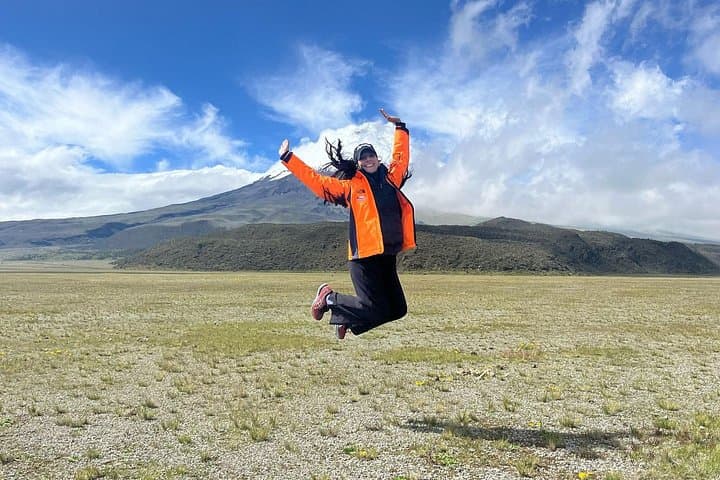
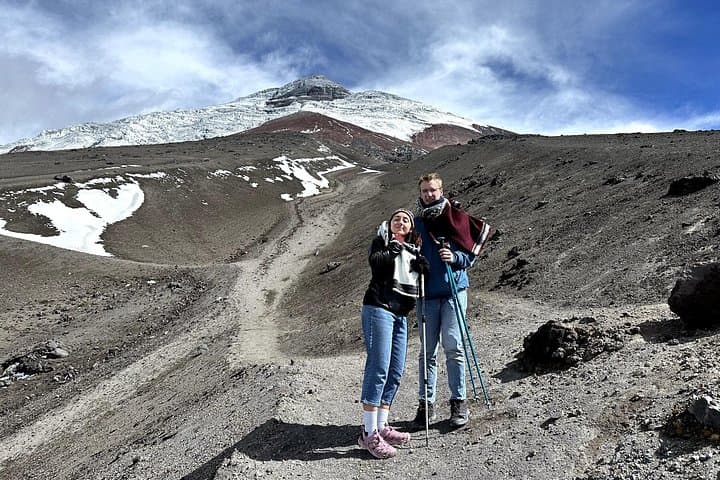


A cold wind pushes across the high grass as the road climbs away from Quito and the volcanic skyline takes shape: Cotopaxi’s cone rising like a weathered lighthouse above the páramo. Travelers arrive by mid-morning, the air thin and bright; stone paths and scrubby grasses lead toward the José Rivas Refuge at roughly 15,750 ft (4,804 m), where the summit’s shadow and glacial shoulders command attention.
A cold wind pushes across the high grass as the road climbs away from Quito and the volcanic skyline takes shape: Cotopaxi’s cone rising like a weathered lighthouse above the páramo. Travelers arrive by mid-morning, the air thin and bright; stone paths and scrubby grasses lead toward the José Rivas Refuge at roughly 15,750 ft (4,804 m), where the summit’s shadow and glacial shoulders command attention.
Cotopaxi is one of the highest active volcanoes in the world and a defining feature of Ecuador’s Avenue of the Volcanoes. Geology here is raw—layers of andesite and volcanic ash sculpted by eruptions and glacial erosion. The park has long been part of Andean life, with haciendas and indigenous communities on its flanks and a history tied to both agriculture and highland transport. Wildlife stakes a claim too: Andean condors wheel on thermals while hardy wild horses graze the plains.
On this full-day outing from Quito, expect a mix of scenic driving, short interpretive stops at the Mariscal Sucre center, a walk around Limpiopungo lagoon when weather permits, and the uphill push to José Rivas Refuge. The guide paces the group and provides local context and photo stops; lunch at a nearby restaurant refuels before the return to the city.
Practical guidance: protect against altitude—move deliberately, hydrate, and carry warm layers. Sturdy boots and sun protection matter; weather can shift fast. Plan for an 8-hour day with several steep sections, and allow extra time for photos and short wildlife watches.