THE ADVENTURE COLLECTIVE® · Independent discovery and booking for outdoor travel

Combine Saigon’s colonial streets with the stark, hands-on history of the Cu Chi Tunnels in one full day. This tour pairs city landmarks—Independence Palace, Notre-Dame—with an in-depth visit to the tunnel systems that shaped Vietnam’s modern history.
Combine Saigon’s colonial streets with the stark, hands-on history of the Cu Chi Tunnels in one full day. This tour pairs city landmarks—Independence Palace, Notre-Dame—with an in-depth visit to the tunnel systems that shaped Vietnam’s modern history.
You step out of a shaded hotel lobby into Saigon’s humid morning, horns and vendors already scoring the city’s early rhythm. The air tastes of coffee and diesel as the guide closes the van door and the road points northwest toward the Cu Chi district—where the land tightens into rice paddies, scrub, and the low jungle that once hid an underground network of survival.
Verified experiences and guided adventures in the surrounding area.
Operated by Authentic Travel VIETNAM · Ho Chi Minh City, Ho Chi Minh
You step out of a shaded hotel lobby into Saigon’s humid morning, horns and vendors already scoring the city’s early rhythm. The air tastes of coffee and diesel as the guide closes the van door and the road points northwest toward the Cu Chi district—where the land tightens into rice paddies, scrub, and the low jungle that once hid an underground network of survival.
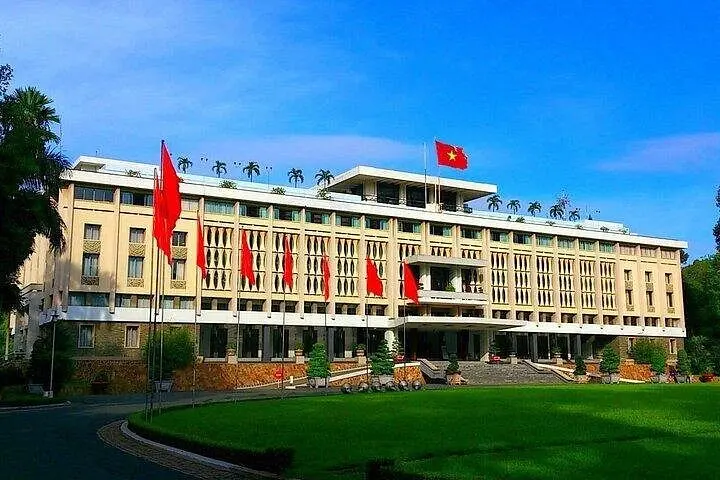
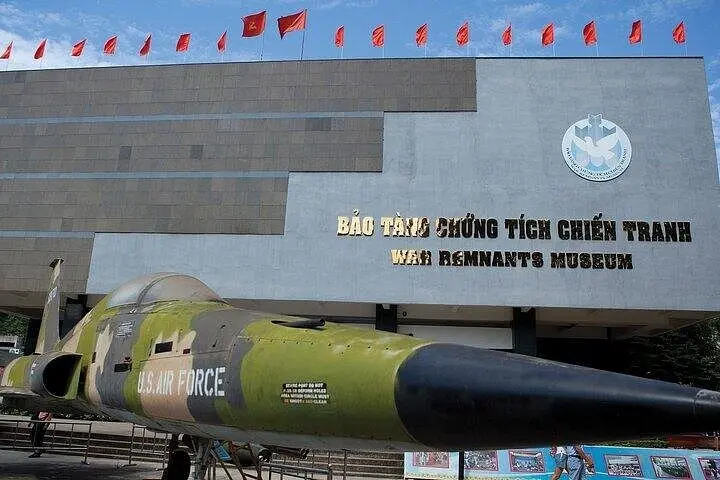
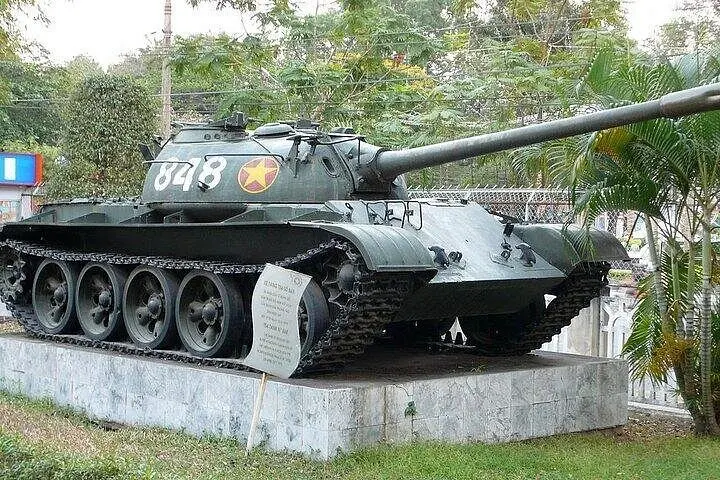
The Cu Chi Tunnels are an engineered answer to asymmetrical warfare: narrow passageways, camouflaged trapdoors and living chambers chiselled into basaltic-alluvial soils. Walking the widened sections and seeing preserved booby traps gives a tactile sense of the ingenuity and endurance the tunnels demanded. Back in District 1, the city unfurls a different history—French colonial facades, the Reunification Palace where the war’s final chapter closed, and the War Remnants Museum that records consequences in stark photography.
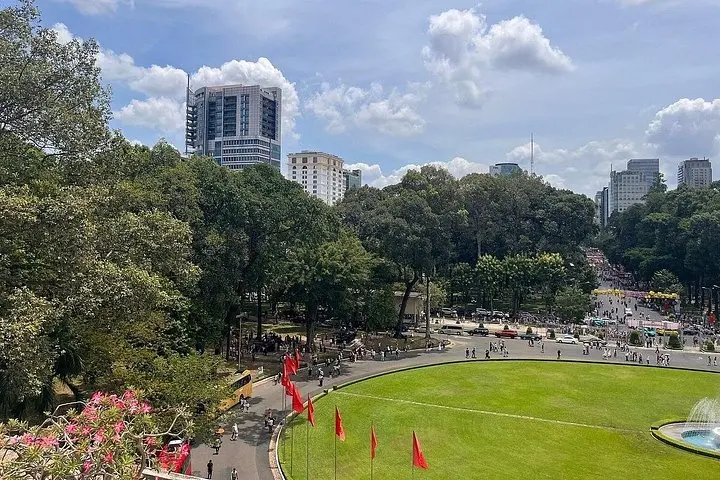
Geology here is subtle—riverine plains that supported rice agriculture and afforded concealment—and culture is immediate: motorbike choreography, street food rituals, and a city that repurposes colonial architecture for contemporary life. Local insight: ask which tunnel site you’re visiting (Ben Dinh tends to be busier; Ben Duoc feels more extensive).
Practical guidance: this is a long day—expect 9–10 hours with hotel pickup, an English-speaking guide, entrance fees and lunch included. Wear sturdy closed shoes, bring sun protection and refillable water, and be ready for tight spaces if you enter the tunnels. Plan on early pickup to avoid afternoon traffic and the hottest part of the day.
Pickup is included from hotels in District 1; exact pickup time is provided on confirmation—expect an early morning start to fit the full itinerary.
Some tunnel sections are widened for general visitors; however, narrow crawl spaces are not suitable for young children, guests with mobility issues or those with claustrophobia.
Lunch and mineral water are included; notify the operator in advance for vegetarian or other dietary requests.
Most full-day tours visit one tunnel complex (commonly Ben Dinh or Ben Duoc); ask the operator which site is on your itinerary if you have a preference.
Authentic Travel VIETNAM operates guided outdoor trips and adventures with an emphasis on safety, stewardship, and memorable experiences.
You step out of a shaded hotel lobby into Saigon’s humid morning, horns and vendors already scoring the city’s early rhythm. The air tastes of coffee and diesel as the guide closes the van door and the road points northwest toward the Cu Chi district—where the land tightens into rice paddies, scrub, and the low jungle that once hid an underground network of survival.
You step out of a shaded hotel lobby into Saigon’s humid morning, horns and vendors already scoring the city’s early rhythm. The air tastes of coffee and diesel as the guide closes the van door and the road points northwest toward the Cu Chi district—where the land tightens into rice paddies, scrub, and the low jungle that once hid an underground network of survival.
The Cu Chi Tunnels are an engineered answer to asymmetrical warfare: narrow passageways, camouflaged trapdoors and living chambers chiselled into basaltic-alluvial soils. Walking the widened sections and seeing preserved booby traps gives a tactile sense of the ingenuity and endurance the tunnels demanded. Back in District 1, the city unfurls a different history—French colonial facades, the Reunification Palace where the war’s final chapter closed, and the War Remnants Museum that records consequences in stark photography.
Geology here is subtle—riverine plains that supported rice agriculture and afforded concealment—and culture is immediate: motorbike choreography, street food rituals, and a city that repurposes colonial architecture for contemporary life. Local insight: ask which tunnel site you’re visiting (Ben Dinh tends to be busier; Ben Duoc feels more extensive).
Practical guidance: this is a long day—expect 9–10 hours with hotel pickup, an English-speaking guide, entrance fees and lunch included. Wear sturdy closed shoes, bring sun protection and refillable water, and be ready for tight spaces if you enter the tunnels. Plan on early pickup to avoid afternoon traffic and the hottest part of the day.