THE ADVENTURE COLLECTIVE® · Independent discovery and booking for outdoor travel

Experience three historic centers in a single day: Amarapura’s monasteries and silk workshops, Sagaing’s hilltop pagodas, and Ava’s horse-cart ruins reached by ferry. Practical planning tips included for a smooth, full-day cultural loop from Mandalay.
Experience three historic centers in a single day: Amarapura’s monasteries and silk workshops, Sagaing’s hilltop pagodas, and Ava’s horse-cart ruins reached by ferry. Practical planning tips included for a smooth, full-day cultural loop from Mandalay.
You step out of your Mandalay hotel into a hard light that flattens the earth and gilds river edges. The Ayeyarwady river dares you to cross it — a slow, wide presence that has shaped cities, trade and faith for centuries. The day moves in clear chapters: the monk-lined courtyards of Amarapura, the monastery-studded ridges of Sagaing, and the ruined gates and teak-pillared monasteries of Ava reached by ferry and horse cart.
Verified experiences and guided adventures in the surrounding area.
Operated by Adventure Myanmar Tours & Incentives · Mandalay, Mandalay Region
You step out of your Mandalay hotel into a hard light that flattens the earth and gilds river edges. The Ayeyarwady river dares you to cross it — a slow, wide presence that has shaped cities, trade and faith for centuries. The day moves in clear chapters: the monk-lined courtyards of Amarapura, the monastery-studded ridges of Sagaing, and the ruined gates and teak-pillared monasteries of Ava reached by ferry and horse cart.
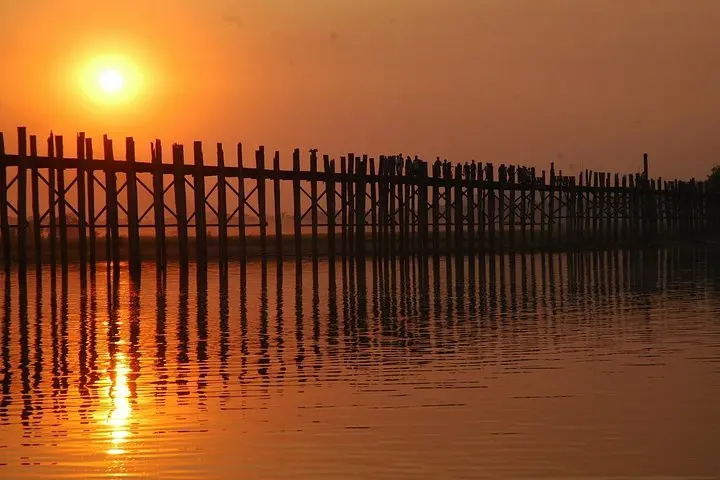
Amarapura and Ava were royal seats in the 18th–19th centuries; Sagaing has long been a monastic hub. Geologically the region sits on broad alluvial plains carved by the Ayeyarwady, which explains the river’s braided channels and the fertile floodplain that supported palace towns. You’ll witness silk weaving and wood-carving traditions still practiced in family workshops, and cross U Bein Bridge — one of the world’s oldest and longest teak footbridges — as light fades.
Practical guidance: the route is mostly roadside driving with short walks, ferry transfers and a gentle horse-cart tour in Ava. Wear closed-toe shoes for uneven monastery courtyards, bring sun protection and a modest layer for entering religious sites where shoulders and knees should be covered. Hydrate frequently; local bottled water is usually provided. Expect a full 10‑hour day with hotel pickup in Mandalay — plan for early pickup to avoid midday heat and to see U Bein at sunset. Respect monastery rules, remove shoes before entering, and carry small local currency for temple donations and snacks.
Yes — the tour includes pickup and drop-off from Mandalay hotels; confirm your pickup location at booking.
Admissions to the listed sites and a local lunch are included as stated in the tour inclusions.
The tour is family-friendly; infants must sit on an adult’s lap and some walking is required.
Yes, the Ava segment is explored by traditional horse cart; operators are provided as part of the itinerary.
Adventure Myanmar Tours & Incentives operates guided outdoor trips and adventures with an emphasis on safety, stewardship, and memorable experiences.
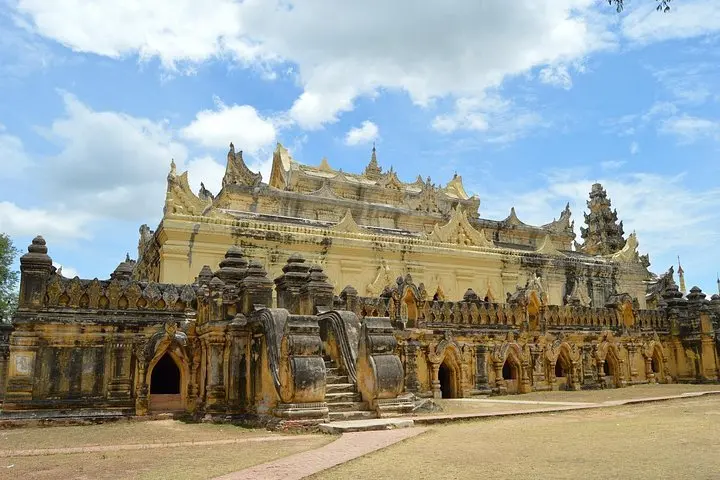
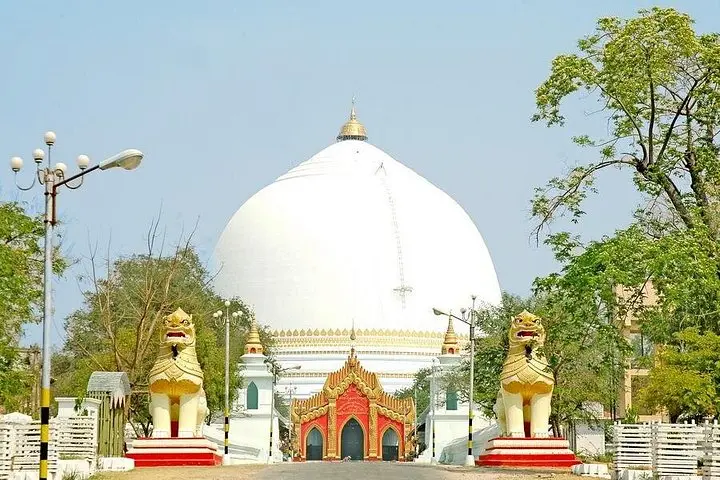
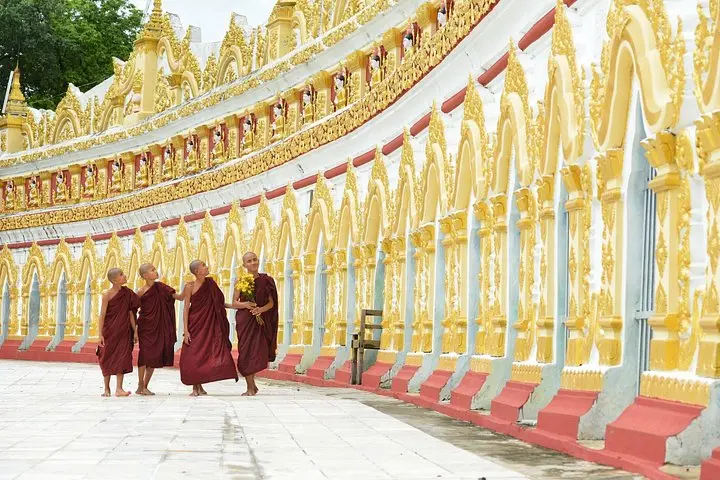
You step out of your Mandalay hotel into a hard light that flattens the earth and gilds river edges. The Ayeyarwady river dares you to cross it — a slow, wide presence that has shaped cities, trade and faith for centuries. The day moves in clear chapters: the monk-lined courtyards of Amarapura, the monastery-studded ridges of Sagaing, and the ruined gates and teak-pillared monasteries of Ava reached by ferry and horse cart.
You step out of your Mandalay hotel into a hard light that flattens the earth and gilds river edges. The Ayeyarwady river dares you to cross it — a slow, wide presence that has shaped cities, trade and faith for centuries. The day moves in clear chapters: the monk-lined courtyards of Amarapura, the monastery-studded ridges of Sagaing, and the ruined gates and teak-pillared monasteries of Ava reached by ferry and horse cart.
Amarapura and Ava were royal seats in the 18th–19th centuries; Sagaing has long been a monastic hub. Geologically the region sits on broad alluvial plains carved by the Ayeyarwady, which explains the river’s braided channels and the fertile floodplain that supported palace towns. You’ll witness silk weaving and wood-carving traditions still practiced in family workshops, and cross U Bein Bridge — one of the world’s oldest and longest teak footbridges — as light fades.
Practical guidance: the route is mostly roadside driving with short walks, ferry transfers and a gentle horse-cart tour in Ava. Wear closed-toe shoes for uneven monastery courtyards, bring sun protection and a modest layer for entering religious sites where shoulders and knees should be covered. Hydrate frequently; local bottled water is usually provided. Expect a full 10‑hour day with hotel pickup in Mandalay — plan for early pickup to avoid midday heat and to see U Bein at sunset. Respect monastery rules, remove shoes before entering, and carry small local currency for temple donations and snacks.