THE ADVENTURE COLLECTIVE® · Independent discovery and booking for outdoor travel

Explore Cusco’s core on a five-hour circuit from the Plaza de Armas to Sacsayhuamán, Qoricancha, Puka Pukara and Tambomachay. This guided tour blends Inca engineering, colonial overlay and highland panoramas with practical transport and multilingual guides.
Explore Cusco’s core on a five-hour circuit from the Plaza de Armas to Sacsayhuamán, Qoricancha, Puka Pukara and Tambomachay. This guided tour blends Inca engineering, colonial overlay and highland panoramas with practical transport and multilingual guides.
You step out onto the Plaza de Armas and the air, thin and bright at 3,400 meters, pushes against your breath as the city unfurls uphill. Cobblestone streets slope toward carved stone portals; vendors arrange colorful textiles while the bell of the cathedral marks a city shaped by two worlds.
Verified experiences and guided adventures in the surrounding area.
Operated by Peru Grand Travel · Cusco, Cusco
You step out onto the Plaza de Armas and the air, thin and bright at 3,400 meters, pushes against your breath as the city unfurls uphill. Cobblestone streets slope toward carved stone portals; vendors arrange colorful textiles while the bell of the cathedral marks a city shaped by two worlds.
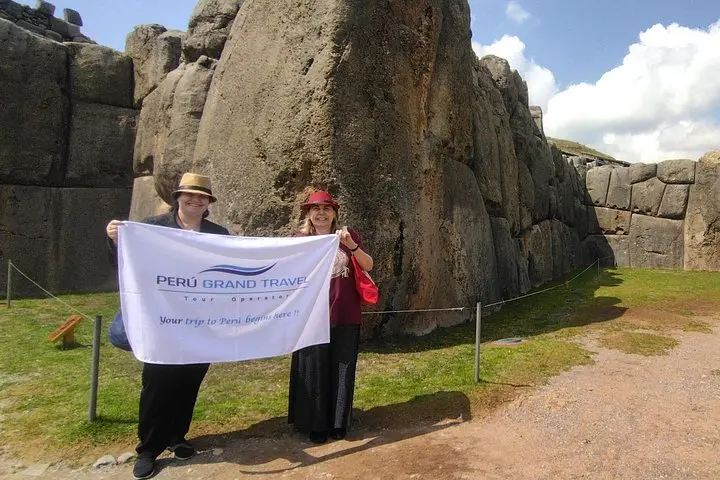
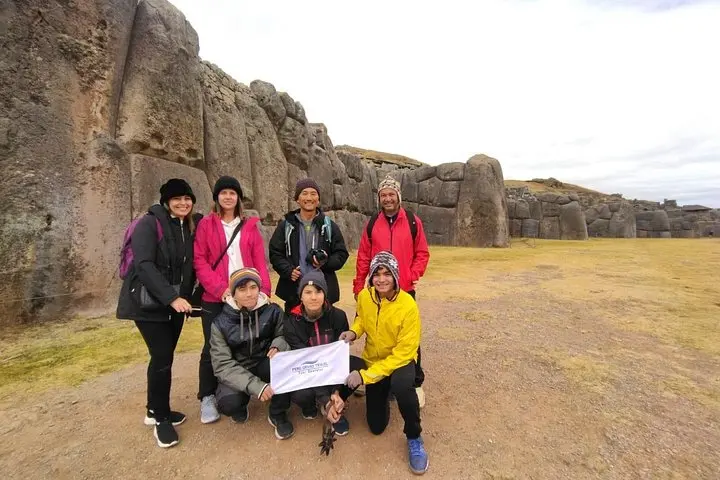
This full-day loop moves from colonial squares to Inca engineering. At Qoricancha (the Temple of the Sun) imagine walls once sheathed in gold; the Spanish convent now rests on those foundations. Sacsayhuamán dominates the skyline with terraces and megaliths—blocks of stone fitted with tight joints and weighing over 100 tons—that hint at Inca masonry and the seismic logic behind it.
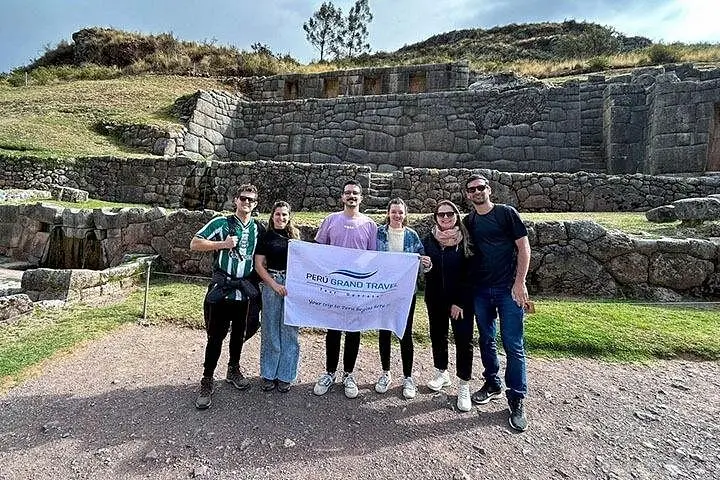
Short stops at Q’enqo, Puka Pukara and Tambomachay reveal different faces of Andean life: carved ceremonial sites, a strategic red-stone outpost, and channels where water still sings. Geology is immediate here—andesite and volcanic tuff reshaped into plazas, terraces and fortifications, with panoramic views of the valley pressing outward.
Practical notes: the shared tour runs about five hours with round-trip tourist transport and multilingual guides; admissions are typically not included. Expect uneven cobbles, short uphill walks and brief climbs at archaeological sites. Acclimatize 24–48 hours if possible, carry water, sunscreen and layered clothing for quick temperature swings, and bring cash for entrance fees and snacks.
The route is approachable but demands respect for altitude and fragile ruins. Move deliberately, let the stones do the talking, and plan for a slow, steady pace that lets both history and the highland sky claim their share of attention.
No. Admissions are typically paid locally at each site; bring cash (Peruvian soles) and your ID for ticket purchase.
Yes. The tour includes round-trip tourist transport with scheduled pickup and drop-off at hotels or the Plaza de Armas.
Professional guides are available in Spanish, English or Portuguese, depending on the tour booking and group composition.
Generally yes—physical demands are light—but travelers should consider altitude effects and move at a steady pace; accommodations can be made for slower walkers.
Peru Grand Travel operates guided outdoor trips and adventures with an emphasis on safety, stewardship, and memorable experiences.
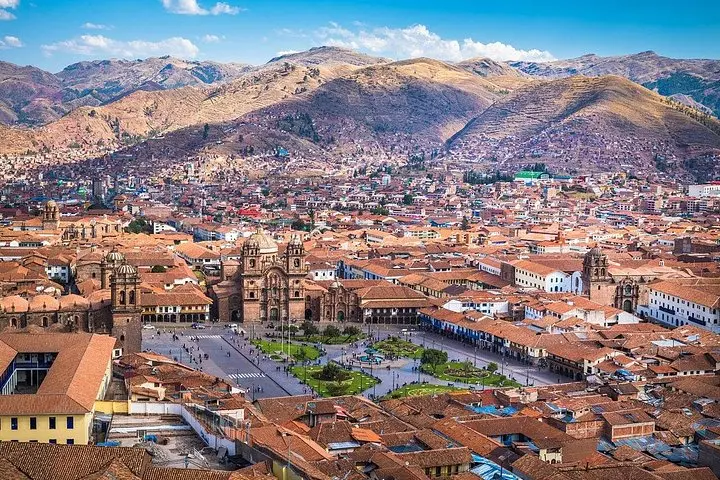
You step out onto the Plaza de Armas and the air, thin and bright at 3,400 meters, pushes against your breath as the city unfurls uphill. Cobblestone streets slope toward carved stone portals; vendors arrange colorful textiles while the bell of the cathedral marks a city shaped by two worlds.
You step out onto the Plaza de Armas and the air, thin and bright at 3,400 meters, pushes against your breath as the city unfurls uphill. Cobblestone streets slope toward carved stone portals; vendors arrange colorful textiles while the bell of the cathedral marks a city shaped by two worlds.
This full-day loop moves from colonial squares to Inca engineering. At Qoricancha (the Temple of the Sun) imagine walls once sheathed in gold; the Spanish convent now rests on those foundations. Sacsayhuamán dominates the skyline with terraces and megaliths—blocks of stone fitted with tight joints and weighing over 100 tons—that hint at Inca masonry and the seismic logic behind it.
Short stops at Q’enqo, Puka Pukara and Tambomachay reveal different faces of Andean life: carved ceremonial sites, a strategic red-stone outpost, and channels where water still sings. Geology is immediate here—andesite and volcanic tuff reshaped into plazas, terraces and fortifications, with panoramic views of the valley pressing outward.
Practical notes: the shared tour runs about five hours with round-trip tourist transport and multilingual guides; admissions are typically not included. Expect uneven cobbles, short uphill walks and brief climbs at archaeological sites. Acclimatize 24–48 hours if possible, carry water, sunscreen and layered clothing for quick temperature swings, and bring cash for entrance fees and snacks.
The route is approachable but demands respect for altitude and fragile ruins. Move deliberately, let the stones do the talking, and plan for a slow, steady pace that lets both history and the highland sky claim their share of attention.