THE ADVENTURE COLLECTIVE® · Independent discovery and booking for outdoor travel

Walk the stones of the ancient oracle and stand where Greeks once sought the future. This full-day Delphi tour from Athens pairs the Temple of Apollo and the Archaeological Museum with visits to mountain towns Arachova and Livadia for context, crafts and local fare.
Walk the stones of the ancient oracle and stand where Greeks once sought the future. This full-day Delphi tour from Athens pairs the Temple of Apollo and the Archaeological Museum with visits to mountain towns Arachova and Livadia for context, crafts and local fare.
You arrive at dawn and the road from Athens eases you through olive groves and low limestone folds until the Phaedriades—two sheer cliffs—appear, flanking the sanctuary like quiet guards. The air is thin with rosemary and the first light cuts across the column drums of a long-dead temple, making the marble seem almost audible.
Verified experiences and guided adventures in the surrounding area.
Operated by Greece Athens Taxi GAT · Delphi, Phocis
You arrive at dawn and the road from Athens eases you through olive groves and low limestone folds until the Phaedriades—two sheer cliffs—appear, flanking the sanctuary like quiet guards. The air is thin with rosemary and the first light cuts across the column drums of a long-dead temple, making the marble seem almost audible.
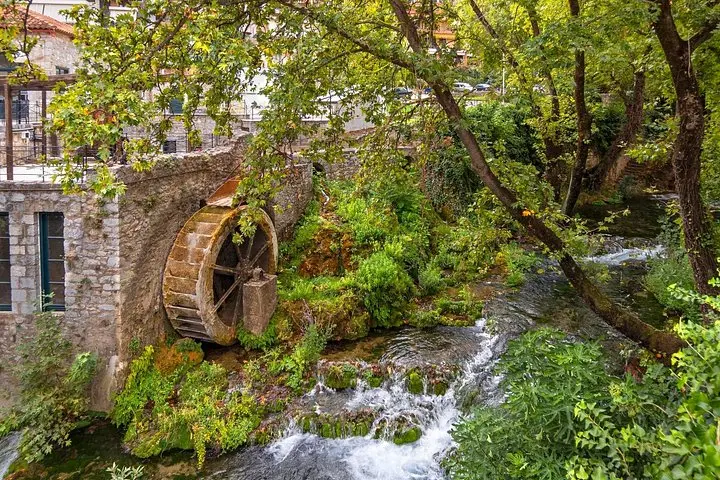
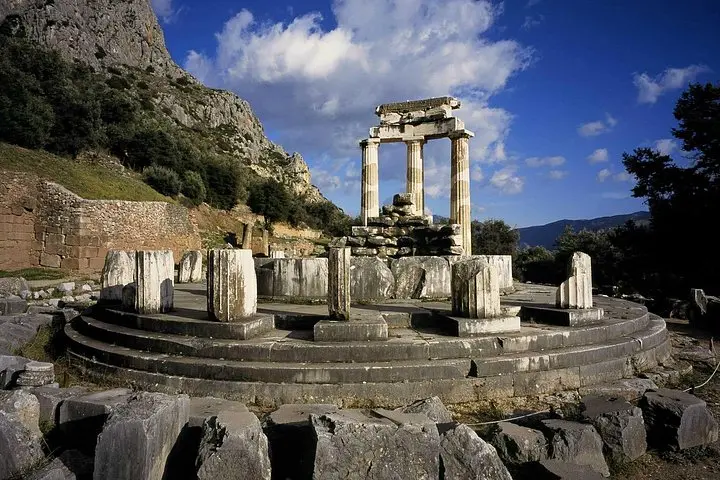
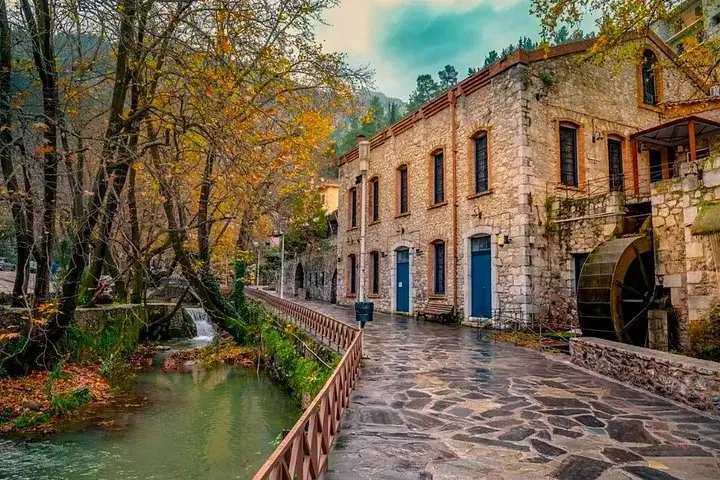
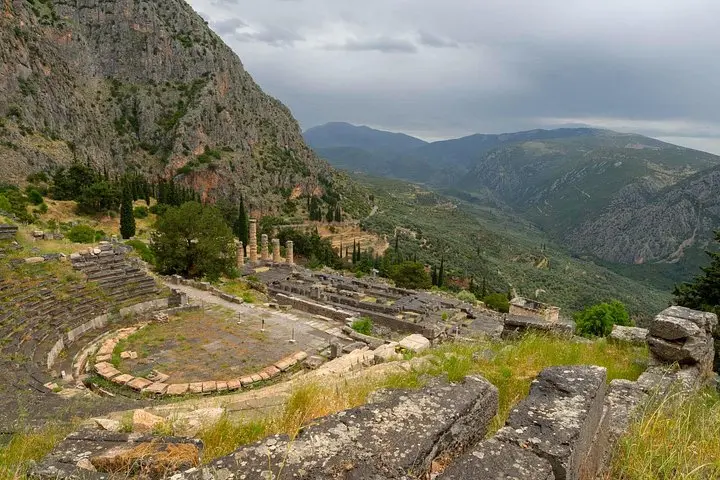
Delphi sits where geology and myth collide: a faulted cleft of limestone on the slopes of Mount Parnassus that ancient Greeks read as the omphalos, the world’s navel. The Temple of Apollo, the circular Tholos of Athena Pronaia and the stadium climb the hill in terraces, each step a layer of civic, religious and artistic history recorded from the 7th to 4th centuries BC. Modern Delphi is a small town below the ruins; nearby Arachova and Livadia add mountain culture—textile handicrafts, local cheeses and lively kafeneia.
On a guided full-day from Athens you’ll move between the open-air ruins and the Delphi Archaeological Museum, which houses the Charioteer and votive sculptures removed from weather and time. Expect uneven stone paths, short steep sections and panoramic viewpoints that reward pauses.
Practical edge: wear supportive walking shoes with good grip, carry sun protection and at least 1–1.5 liters of water, and bring a light layer—wind picks up on the hill. Plan the visit mid-morning to avoid the heat and late-afternoon coach crowds. Tickets change seasonally; check opening hours and consider a guide or audio to place the artifacts in historical context. A stop in Arachova or Livadia rounds the day with local flavors before the return drive to Athens.
Expect about 2 to 2.5 hours each way by car or tour coach, depending on traffic and route.
This tour assists with skip-the-line tickets but archaeological site and museum fees are often covered by the traveler; confirm at booking.
Some areas have steep, uneven stone steps; parts of the modern archaeological park and museum are accessible, but the main hilltop ruins are challenging for wheelchairs.
Spring and fall offer moderate temperatures and clearer light; summer is busy and hot while winter is quieter but cooler with shorter hours.
Greece Athens Taxi GAT operates guided outdoor trips and adventures with an emphasis on safety, stewardship, and memorable experiences.
You arrive at dawn and the road from Athens eases you through olive groves and low limestone folds until the Phaedriades—two sheer cliffs—appear, flanking the sanctuary like quiet guards. The air is thin with rosemary and the first light cuts across the column drums of a long-dead temple, making the marble seem almost audible.
You arrive at dawn and the road from Athens eases you through olive groves and low limestone folds until the Phaedriades—two sheer cliffs—appear, flanking the sanctuary like quiet guards. The air is thin with rosemary and the first light cuts across the column drums of a long-dead temple, making the marble seem almost audible.
Delphi sits where geology and myth collide: a faulted cleft of limestone on the slopes of Mount Parnassus that ancient Greeks read as the omphalos, the world’s navel. The Temple of Apollo, the circular Tholos of Athena Pronaia and the stadium climb the hill in terraces, each step a layer of civic, religious and artistic history recorded from the 7th to 4th centuries BC. Modern Delphi is a small town below the ruins; nearby Arachova and Livadia add mountain culture—textile handicrafts, local cheeses and lively kafeneia.
On a guided full-day from Athens you’ll move between the open-air ruins and the Delphi Archaeological Museum, which houses the Charioteer and votive sculptures removed from weather and time. Expect uneven stone paths, short steep sections and panoramic viewpoints that reward pauses.
Practical edge: wear supportive walking shoes with good grip, carry sun protection and at least 1–1.5 liters of water, and bring a light layer—wind picks up on the hill. Plan the visit mid-morning to avoid the heat and late-afternoon coach crowds. Tickets change seasonally; check opening hours and consider a guide or audio to place the artifacts in historical context. A stop in Arachova or Livadia rounds the day with local flavors before the return drive to Athens.