THE ADVENTURE COLLECTIVE® · Independent discovery and booking for outdoor travel

Spend a full day from Luxor exploring Abydos’ Seti I reliefs and the remarkable Hathor temple at Dendera, including the rooftop zodiac. This private tour combines guided history with hands‑on access to two of Upper Egypt’s best-preserved temple complexes.
Spend a full day from Luxor exploring Abydos’ Seti I reliefs and the remarkable Hathor temple at Dendera, including the rooftop zodiac. This private tour combines guided history with hands‑on access to two of Upper Egypt’s best-preserved temple complexes.
You step into dawn on the west bank of the Nile and the road north toward Abydos and Dendera opens like a chapter in stone. The driver eases the air‑conditioned vehicle along low agricultural plains; date palms and fields blur past, and a wind carries dry dust and distant calls of birds. By midmorning the silhouette of ancient pylons appears against the heat — carved walls that have weathered millennia yet still hold color in protected recesses.
Verified experiences and guided adventures in the surrounding area.
Operated by Ra Egypt Tour Guide · Luxor, Luxor Governorate
You step into dawn on the west bank of the Nile and the road north toward Abydos and Dendera opens like a chapter in stone. The driver eases the air‑conditioned vehicle along low agricultural plains; date palms and fields blur past, and a wind carries dry dust and distant calls of birds. By midmorning the silhouette of ancient pylons appears against the heat — carved walls that have weathered millennia yet still hold color in protected recesses.
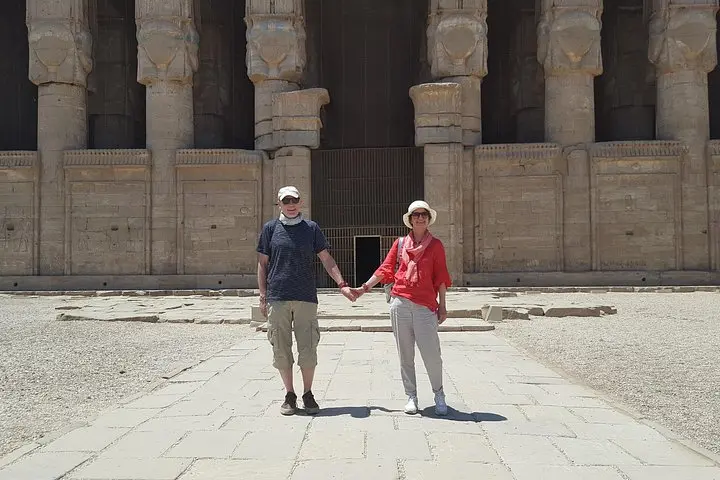
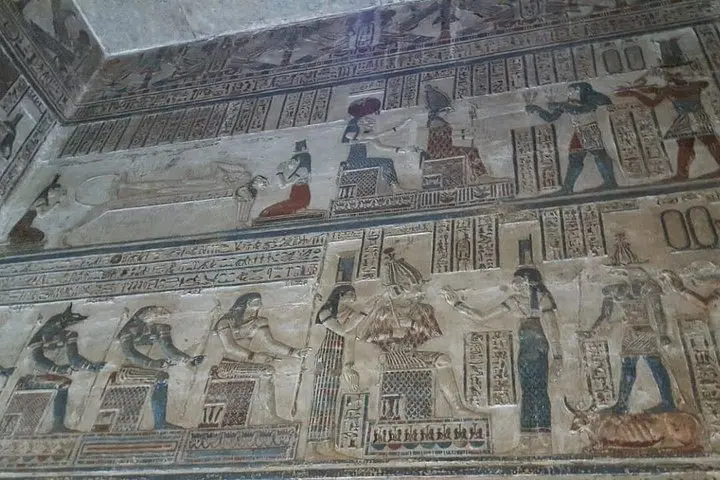
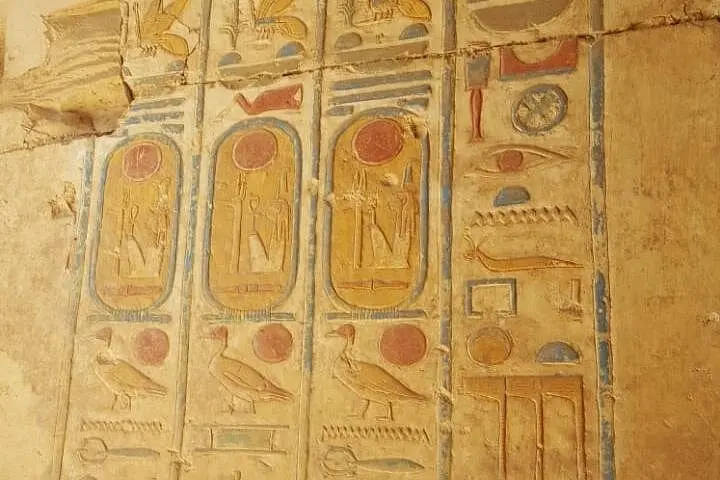
Abydos was once the heart of Osiris worship; Seti I’s temple there presents some of the clearest painted reliefs of the 19th Dynasty and a rare, intact procession of royal names. Dendera’s Temple of Hathor reads differently: ceilings of celestial iconography, a preserved zodiac and a spiral stair that takes you to a compact rooftop with wide valley views. Geology here is all Nile silt and limestone — easy to walk but uneven underfoot; the surrounding villages have kept a quiet agricultural rhythm for generations, and local guides often point out small community shrines en route.
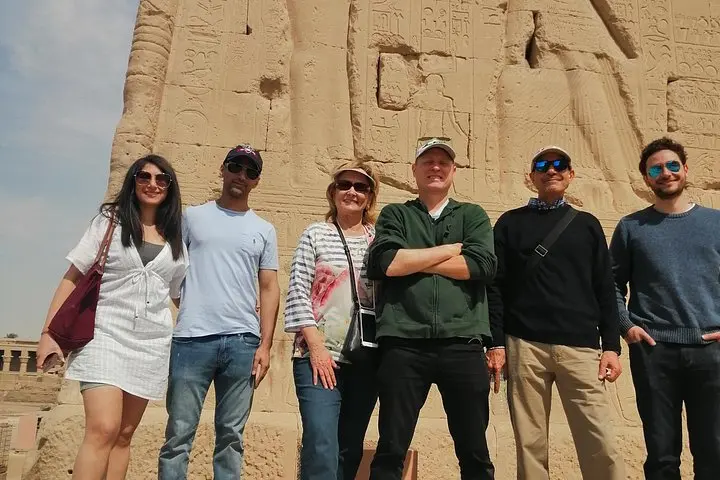
Expect guided walks of 45–90 minutes at each site, time to photograph reliefs and to climb a narrow stone stair to the Dendera roof. Practicalities: bring sun protection, plenty of water, and small bills for site donations and facilities. Wear sturdy closed-toe shoes for uneven temple thresholds and low walls. If you’re traveling in summer, plan an early departure and insist on air conditioning between stops. A full day yields a compact, layered look at pharaonic ritual, royal propaganda and sky maps carved into stone.
No, the itinerary notes that admission is not included—expect to pay separate entry fees for Dendera and Abydos at the site.
Yes—this private tour typically includes pickup from your Luxor hotel; you’ll confirm exact pickup point when booking.
The tour is rated easy, but both temples have uneven stone surfaces and some stairs; mobility limitations should be discussed with the operator before booking.
Photography for personal use is generally allowed, but flash may be discouraged to protect pigments; follow the guide’s instructions and local regulations.
Ra Egypt Tour Guide operates guided outdoor trips and adventures with an emphasis on safety, stewardship, and memorable experiences.
You step into dawn on the west bank of the Nile and the road north toward Abydos and Dendera opens like a chapter in stone. The driver eases the air‑conditioned vehicle along low agricultural plains; date palms and fields blur past, and a wind carries dry dust and distant calls of birds. By midmorning the silhouette of ancient pylons appears against the heat — carved walls that have weathered millennia yet still hold color in protected recesses.
You step into dawn on the west bank of the Nile and the road north toward Abydos and Dendera opens like a chapter in stone. The driver eases the air‑conditioned vehicle along low agricultural plains; date palms and fields blur past, and a wind carries dry dust and distant calls of birds. By midmorning the silhouette of ancient pylons appears against the heat — carved walls that have weathered millennia yet still hold color in protected recesses.
Abydos was once the heart of Osiris worship; Seti I’s temple there presents some of the clearest painted reliefs of the 19th Dynasty and a rare, intact procession of royal names. Dendera’s Temple of Hathor reads differently: ceilings of celestial iconography, a preserved zodiac and a spiral stair that takes you to a compact rooftop with wide valley views. Geology here is all Nile silt and limestone — easy to walk but uneven underfoot; the surrounding villages have kept a quiet agricultural rhythm for generations, and local guides often point out small community shrines en route.
Expect guided walks of 45–90 minutes at each site, time to photograph reliefs and to climb a narrow stone stair to the Dendera roof. Practicalities: bring sun protection, plenty of water, and small bills for site donations and facilities. Wear sturdy closed-toe shoes for uneven temple thresholds and low walls. If you’re traveling in summer, plan an early departure and insist on air conditioning between stops. A full day yields a compact, layered look at pharaonic ritual, royal propaganda and sky maps carved into stone.