THE ADVENTURE COLLECTIVE® · Independent discovery and booking for outdoor travel

A full-day tour that pairs the sobering proximity of the DMZ with contemporary architecture in Paju. Expect close-up observation points, a descent into the Third Tunnel, and a taste of local Korean pork BBQ.
A full-day tour that pairs the sobering proximity of the DMZ with contemporary architecture in Paju. Expect close-up observation points, a descent into the Third Tunnel, and a taste of local Korean pork BBQ.
The bus eases north out of Seoul and the air changes — crisper, with the Imjin River daring you to look farther. You step out at Imjingak Park where rusted bridges, memorial statues, and ribbons on a wall mark lives interrupted by the 38th parallel. The group moves from open lawns toward the concrete throat of the Third Tunnel: a narrow, dim passage more than 70 meters below the surface and roughly 265 meters long, where the slope makes your calf muscles work and the lights make the walls feel closer.
Verified experiences and guided adventures in the surrounding area.
Operated by Seoul Jolly Tour · Paju, Gyeonggi-do
The bus eases north out of Seoul and the air changes — crisper, with the Imjin River daring you to look farther. You step out at Imjingak Park where rusted bridges, memorial statues, and ribbons on a wall mark lives interrupted by the 38th parallel. The group moves from open lawns toward the concrete throat of the Third Tunnel: a narrow, dim passage more than 70 meters below the surface and roughly 265 meters long, where the slope makes your calf muscles work and the lights make the walls feel closer.
From atop Dora Observatory you peer through coin-operated binoculars at a landscape frozen between two governments: the so-called propaganda village, Gaesong’s distant roofs, and lines of farmland that have retained a quiet since the armistice. The day shifts from geopolitics to architecture in Paju Book City, where the Mimesis Art Museum — an Álvaro Siza-designed building — alters the rhythm with clean lines and sculpted light. Even if the tour only pauses at a nearby café rather than entering the museum, the site reads like a lesson in contemporary Korean culture and design.
Practical notes: DMZ stops involve security checks, a required passport, and restrictions on photography in some sites; the Third Tunnel is steep and can feel claustrophobic. The tour includes private transport, bottled water and a Korean pork BBQ lunch. Dress in layers, bring sturdy shoes for stairs and uneven surfaces, and allow time for queues at checkpoints. Expect a full nine-hour day that mixes outdoor observation, short walks, and seated time on the coach — an accessible but emotionally charged introduction to Korea’s recent history and modern cultural edges.
Yes — all visitors must carry a passport for security checks before entering DMZ sites.
Some itineraries only stop nearby or visit the Paju Book City area; museum entry may not be included and can carry a separate admission fee.
The tunnel involves steep slopes and narrow, dim passages; it can be difficult for small children, people with claustrophobia, or those with significant mobility restrictions.
Photography is restricted in parts of the DMZ and generally prohibited inside the Third Tunnel — follow guide instructions and posted signs.
Seoul Jolly Tour operates guided outdoor trips and adventures with an emphasis on safety, stewardship, and memorable experiences.
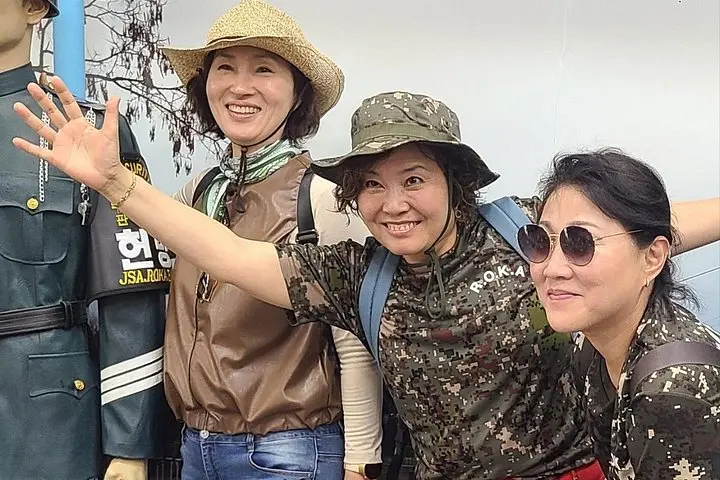
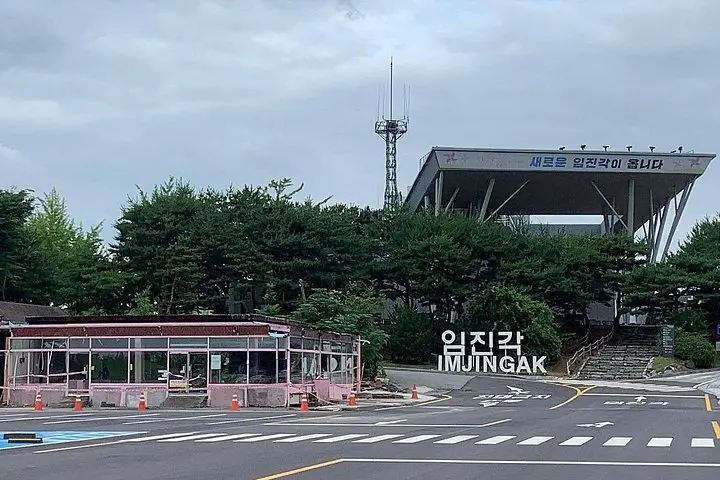
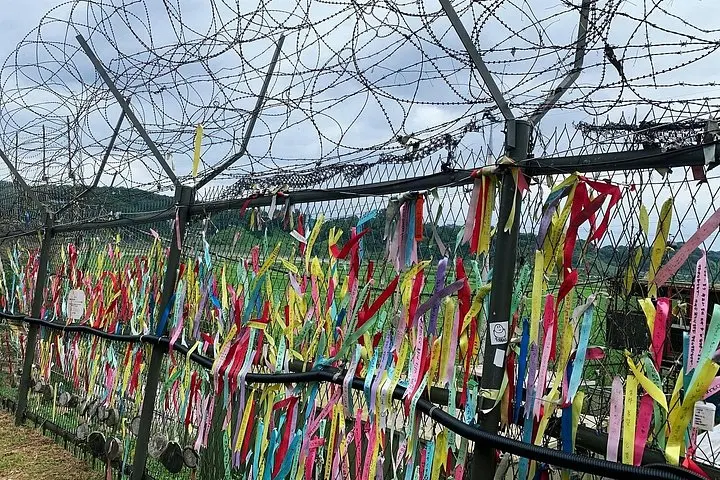
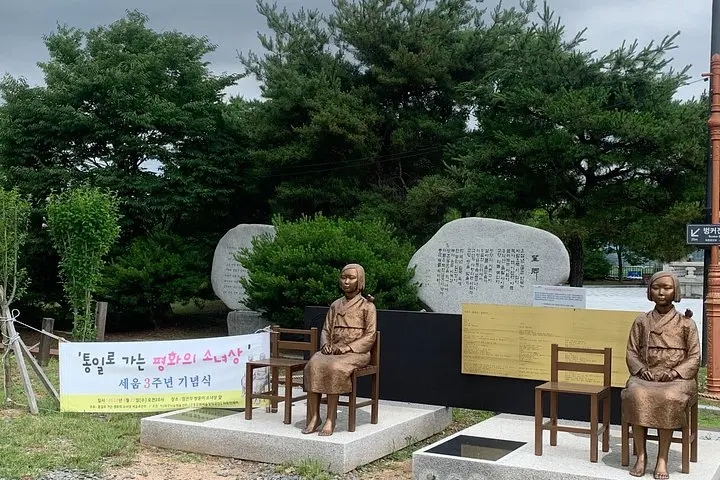
The bus eases north out of Seoul and the air changes — crisper, with the Imjin River daring you to look farther. You step out at Imjingak Park where rusted bridges, memorial statues, and ribbons on a wall mark lives interrupted by the 38th parallel. The group moves from open lawns toward the concrete throat of the Third Tunnel: a narrow, dim passage more than 70 meters below the surface and roughly 265 meters long, where the slope makes your calf muscles work and the lights make the walls feel closer.
The bus eases north out of Seoul and the air changes — crisper, with the Imjin River daring you to look farther. You step out at Imjingak Park where rusted bridges, memorial statues, and ribbons on a wall mark lives interrupted by the 38th parallel. The group moves from open lawns toward the concrete throat of the Third Tunnel: a narrow, dim passage more than 70 meters below the surface and roughly 265 meters long, where the slope makes your calf muscles work and the lights make the walls feel closer.
From atop Dora Observatory you peer through coin-operated binoculars at a landscape frozen between two governments: the so-called propaganda village, Gaesong’s distant roofs, and lines of farmland that have retained a quiet since the armistice. The day shifts from geopolitics to architecture in Paju Book City, where the Mimesis Art Museum — an Álvaro Siza-designed building — alters the rhythm with clean lines and sculpted light. Even if the tour only pauses at a nearby café rather than entering the museum, the site reads like a lesson in contemporary Korean culture and design.
Practical notes: DMZ stops involve security checks, a required passport, and restrictions on photography in some sites; the Third Tunnel is steep and can feel claustrophobic. The tour includes private transport, bottled water and a Korean pork BBQ lunch. Dress in layers, bring sturdy shoes for stairs and uneven surfaces, and allow time for queues at checkpoints. Expect a full nine-hour day that mixes outdoor observation, short walks, and seated time on the coach — an accessible but emotionally charged introduction to Korea’s recent history and modern cultural edges.