THE ADVENTURE COLLECTIVE® · Independent discovery and booking for outdoor travel

Start before dawn on a west-coast boat to watch dolphins in Tamarin Bay, then trade salt for safari at Casela Nature Park. This full-day pairing delivers active ocean time and a close-up look at Mauritius’ wildlife and volcanic landscape.
Start before dawn on a west-coast boat to watch dolphins in Tamarin Bay, then trade salt for safari at Casela Nature Park. This full-day pairing delivers active ocean time and a close-up look at Mauritius’ wildlife and volcanic landscape.
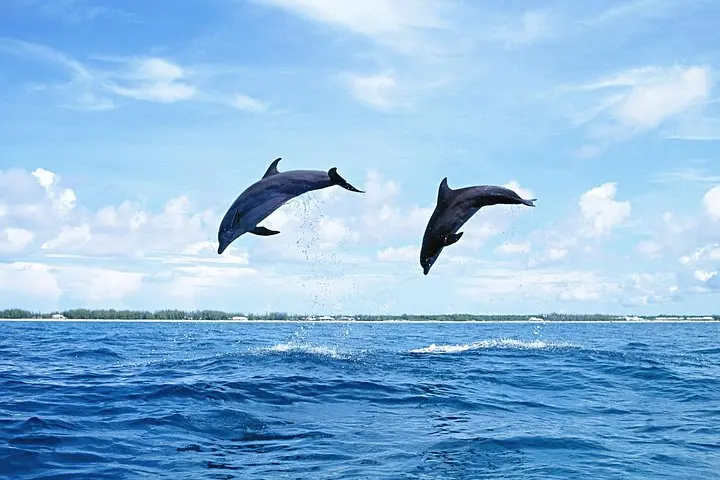
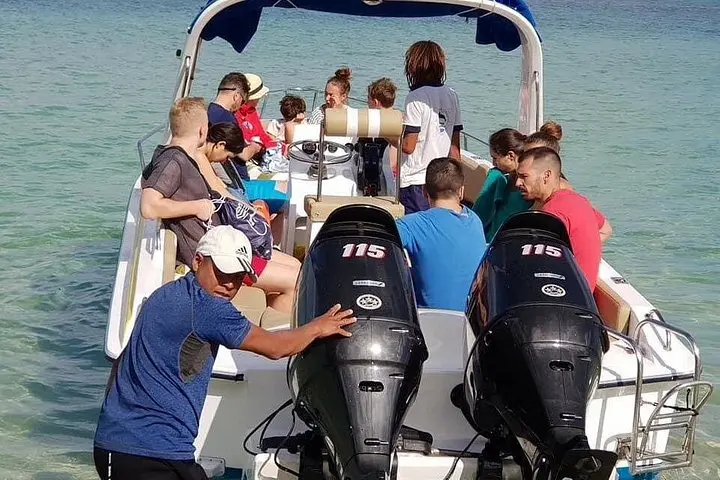
Before sunrise the west coast of Mauritius is a bruise of ink and copper, and the boat slips from the sand while the sky is still finding its color. On this full-day tour, the sea calls first: guides steer toward the pod that has made Tamarin Bay and Riviere Noire its morning playground. Dolphins arc like punctuation marks through the swell, curious and quick; the water around them seems to want to keep moving. After the boat returns to calmer water, guests drop into a sheltered reef—the Natural Aquarium—where coral beds slow the current and the world under the surface feels deliberate and lit from within.
Verified experiences and guided adventures in the surrounding area.
Operated by Eco Holidays (Mauritius) · Cascavelle, Rivière Noire District
Before sunrise the west coast of Mauritius is a bruise of ink and copper, and the boat slips from the sand while the sky is still finding its color. On this full-day tour, the sea calls first: guides steer toward the pod that has made Tamarin Bay and Riviere Noire its morning playground. Dolphins arc like punctuation marks through the swell, curious and quick; the water around them seems to want to keep moving. After the boat returns to calmer water, guests drop into a sheltered reef—the Natural Aquarium—where coral beds slow the current and the world under the surface feels deliberate and lit from within.
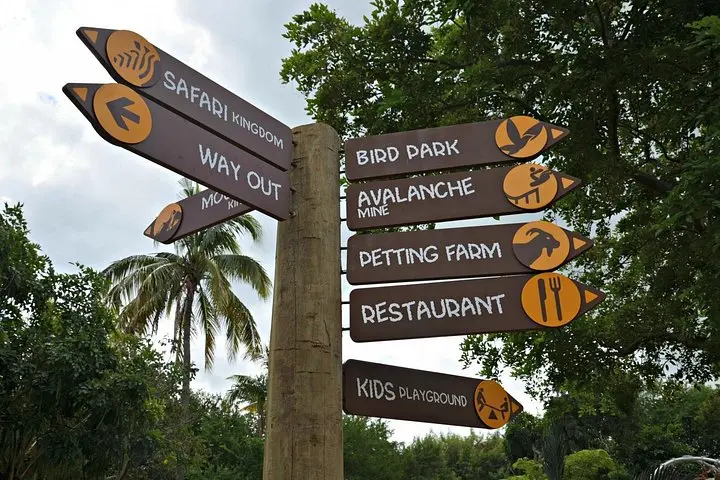
By midday the route turns inland to Casela Nature Park, a former sugar estate repurposed into one of Mauritius’s most active wildlife and adventure centers. Here the terrain changes—lawned enclosures, lava-rock outcrops and planted forests that show an island shaped by volcanic fire and human hands. Guides explain how sugar economics and colonial land use redirected waterways and coastlines, and how today Casela attempts to balance entertainment and conservation with breeding programs and habitat restoration.
Geology is the quiet protagonist: black basalt cliffs offshore, fringing reefs that grew on cooled lava, and inland laterite soils that hold the island’s thin freshwater. Culturally, the southwest is less tourist-constructed than the north; fishing villages, small Hindu temples, and Creole markets give the day a lived-in texture. Local guides often point out native plants used in Creole cooking and the soft echo of sega music drifting from a distant radio.
Practicalities are straightforward. The experience is about seven hours total (pickup begins roughly two hours earlier); boat time for dolphin watching is typically 1–2 hours, snorkel sessions around 30–45 minutes. Dress modestly for the park—Casela enforces a no-shirtless policy—and bring swimwear under light layers to adapt to shifting sea breezes. Snorkel equipment is supplied, but many travelers bring their own masks for comfort.
Expect variable sea conditions: dolphins often appear but are wild animals, and the operator offers a complimentary second outing if the pod is missed. The tour is marketed for adults (minimum age 18 for some swimming segments) and doesn’t demand high fitness, but swimmers should be confident in open water. Bring reef-safe sunscreen, a waterproof camera, and a small dry bag; plan the day around an early start so you’re at sea with the light and back to the park when animal activity peaks.
For travelers who want a snapshot of Mauritius in a single day, this pairing—open ocean and curated wildlife—delivers both immediacy and context: the sea reminding you why the island exists, the land explaining how people have used it since the plantation era.
Dolphins are commonly seen in the west—operators estimate a high likelihood, but because they are wild animals sightings aren’t guaranteed; a complimentary second boat trip is offered if dolphins are missed.
No formal training is required, but you should be comfortable in open water; snorkeling equipment is provided and guides offer basic instruction.
Children may join when accompanied by an adult, but some swimming segments list a minimum age of 18—confirm at booking for any family participants.
Transport, hotel pickup/drop-off, snorkeling equipment, a driver/guide, and access to Casela activities specified in the itinerary are included—check the voucher for exact inclusions.
The operator may cancel for bad weather; their policy allows refunds if canceled at least 24 hours in advance and rescheduling where appropriate.
Bring ID (passport details are required at booking) and some cash for optional purchases at the park, but major items and activities in the tour are typically prepaid.
Eco Holidays (Mauritius) operates guided outdoor trips and adventures with an emphasis on safety, stewardship, and memorable experiences.

Before sunrise the west coast of Mauritius is a bruise of ink and copper, and the boat slips from the sand while the sky is still finding its color. On this full-day tour, the sea calls first: guides steer toward the pod that has made Tamarin Bay and Riviere Noire its morning playground. Dolphins arc like punctuation marks through the swell, curious and quick; the water around them seems to want to keep moving. After the boat returns to calmer water, guests drop into a sheltered reef—the Natural Aquarium—where coral beds slow the current and the world under the surface feels deliberate and lit from within.
Before sunrise the west coast of Mauritius is a bruise of ink and copper, and the boat slips from the sand while the sky is still finding its color. On this full-day tour, the sea calls first: guides steer toward the pod that has made Tamarin Bay and Riviere Noire its morning playground. Dolphins arc like punctuation marks through the swell, curious and quick; the water around them seems to want to keep moving. After the boat returns to calmer water, guests drop into a sheltered reef—the Natural Aquarium—where coral beds slow the current and the world under the surface feels deliberate and lit from within.
By midday the route turns inland to Casela Nature Park, a former sugar estate repurposed into one of Mauritius’s most active wildlife and adventure centers. Here the terrain changes—lawned enclosures, lava-rock outcrops and planted forests that show an island shaped by volcanic fire and human hands. Guides explain how sugar economics and colonial land use redirected waterways and coastlines, and how today Casela attempts to balance entertainment and conservation with breeding programs and habitat restoration.
Geology is the quiet protagonist: black basalt cliffs offshore, fringing reefs that grew on cooled lava, and inland laterite soils that hold the island’s thin freshwater. Culturally, the southwest is less tourist-constructed than the north; fishing villages, small Hindu temples, and Creole markets give the day a lived-in texture. Local guides often point out native plants used in Creole cooking and the soft echo of sega music drifting from a distant radio.
Practicalities are straightforward. The experience is about seven hours total (pickup begins roughly two hours earlier); boat time for dolphin watching is typically 1–2 hours, snorkel sessions around 30–45 minutes. Dress modestly for the park—Casela enforces a no-shirtless policy—and bring swimwear under light layers to adapt to shifting sea breezes. Snorkel equipment is supplied, but many travelers bring their own masks for comfort.
Expect variable sea conditions: dolphins often appear but are wild animals, and the operator offers a complimentary second outing if the pod is missed. The tour is marketed for adults (minimum age 18 for some swimming segments) and doesn’t demand high fitness, but swimmers should be confident in open water. Bring reef-safe sunscreen, a waterproof camera, and a small dry bag; plan the day around an early start so you’re at sea with the light and back to the park when animal activity peaks.
For travelers who want a snapshot of Mauritius in a single day, this pairing—open ocean and curated wildlife—delivers both immediacy and context: the sea reminding you why the island exists, the land explaining how people have used it since the plantation era.