THE ADVENTURE COLLECTIVE® · Independent discovery and booking for outdoor travel

Make a long day count: a guided coach trip from Omiš delivers Dubrovnik's city walls, Lovrijenac, and Stradun with time to explore independently. Expect long transfers but high returns — historic sites, sweeping sea views and concentrated Old Town charm.
Make a long day count: a guided coach trip from Omiš delivers Dubrovnik's city walls, Lovrijenac, and Stradun with time to explore independently. Expect long transfers but high returns — historic sites, sweeping sea views and concentrated Old Town charm.
You step off the air-conditioned coach into a pocket of limestone and sea air: Dubrovnik's Old Town rises in a grid of pale stone alleys, its orange roofs flashing against the Adriatic. The guide points toward Fort Lovrijenac first — a weathered bastion that has watched the channel for centuries — then leads you through Pile Gate into the tight, echoing streets where the city's history reads like stone.
Verified experiences and guided adventures in the surrounding area.
Operated by Šugaman Tours · Dubrovnik, Dubrovnik-Neretva County
You step off the air-conditioned coach into a pocket of limestone and sea air: Dubrovnik's Old Town rises in a grid of pale stone alleys, its orange roofs flashing against the Adriatic. The guide points toward Fort Lovrijenac first — a weathered bastion that has watched the channel for centuries — then leads you through Pile Gate into the tight, echoing streets where the city's history reads like stone.
Founded as a maritime republic, Dubrovnik's wealth and resilience show in the Rector's Palace, Sponza Palace and the Franciscan Monastery, each bearing Gothic, Renaissance and Baroque touches. Geologically, the coast is karst limestone; the city walls themselves trace a nearly 2 km circuit with steep stone steps and sections rising to about 25 m, offering framed views of the Adriatic and Lokrum Island.
Culture here is public and tactile: markets, cafés on the Stradun, and the steady rhythm of boats in the harbor. Expect about four hours of coach driving each way from Omiš, with roughly four hours of free time in Dubrovnik to explore, eat, or climb the walls (ticketed separately).
Practical edge: wear stiff-soled shoes for uneven steps, bring a refillable water bottle and ID, and budget time — queues for the walls and popular museums swell mid-afternoon. Check-in is 30 minutes before departure; the tour includes a licensed guide, driver and taxes. If you prefer fewer crowds, request an early-season or late-afternoon arrival during shoulder months. It’s a long day, but the payoff is walking through a living medieval city where stone, sea and history refuse to stand still.
The itinerary allows roughly four hours each way, depending on traffic; plan for a full-day commitment (about 13 hours total).
No — wall admission is separate and may require a ticket and queuing during peak season; check opening hours before arriving.
The tour notes stroller accessibility for transport, but the Old Town and walls include many steps — infants are required to sit on laps and strollers may be impractical inside the walls.
There is free time to eat inside the Old Town; bring water and a snack for the transfers, and budget for a meal or light bites in Dubrovnik using cash or card.
Šugaman Tours operates guided outdoor trips and adventures with an emphasis on safety, stewardship, and memorable experiences.

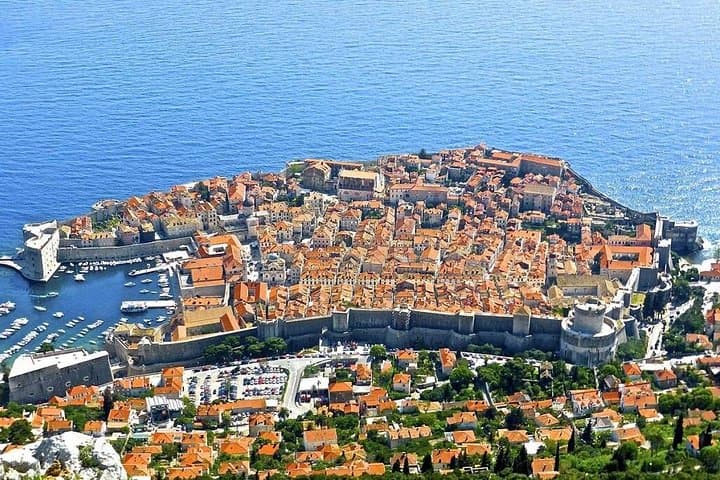


You step off the air-conditioned coach into a pocket of limestone and sea air: Dubrovnik's Old Town rises in a grid of pale stone alleys, its orange roofs flashing against the Adriatic. The guide points toward Fort Lovrijenac first — a weathered bastion that has watched the channel for centuries — then leads you through Pile Gate into the tight, echoing streets where the city's history reads like stone.
You step off the air-conditioned coach into a pocket of limestone and sea air: Dubrovnik's Old Town rises in a grid of pale stone alleys, its orange roofs flashing against the Adriatic. The guide points toward Fort Lovrijenac first — a weathered bastion that has watched the channel for centuries — then leads you through Pile Gate into the tight, echoing streets where the city's history reads like stone.
Founded as a maritime republic, Dubrovnik's wealth and resilience show in the Rector's Palace, Sponza Palace and the Franciscan Monastery, each bearing Gothic, Renaissance and Baroque touches. Geologically, the coast is karst limestone; the city walls themselves trace a nearly 2 km circuit with steep stone steps and sections rising to about 25 m, offering framed views of the Adriatic and Lokrum Island.
Culture here is public and tactile: markets, cafés on the Stradun, and the steady rhythm of boats in the harbor. Expect about four hours of coach driving each way from Omiš, with roughly four hours of free time in Dubrovnik to explore, eat, or climb the walls (ticketed separately).
Practical edge: wear stiff-soled shoes for uneven steps, bring a refillable water bottle and ID, and budget time — queues for the walls and popular museums swell mid-afternoon. Check-in is 30 minutes before departure; the tour includes a licensed guide, driver and taxes. If you prefer fewer crowds, request an early-season or late-afternoon arrival during shoulder months. It’s a long day, but the payoff is walking through a living medieval city where stone, sea and history refuse to stand still.