THE ADVENTURE COLLECTIVE® · Independent discovery and booking for outdoor travel

Drive east from Salalah through mountain switchbacks to waterfalls, sinkholes and historic coastal towns. This private full-day tour combines geology, frankincense-era history and a traditional Arabic lunch for a compact taste of Dhofar.
Drive east from Salalah through mountain switchbacks to waterfalls, sinkholes and historic coastal towns. This private full-day tour combines geology, frankincense-era history and a traditional Arabic lunch for a compact taste of Dhofar.
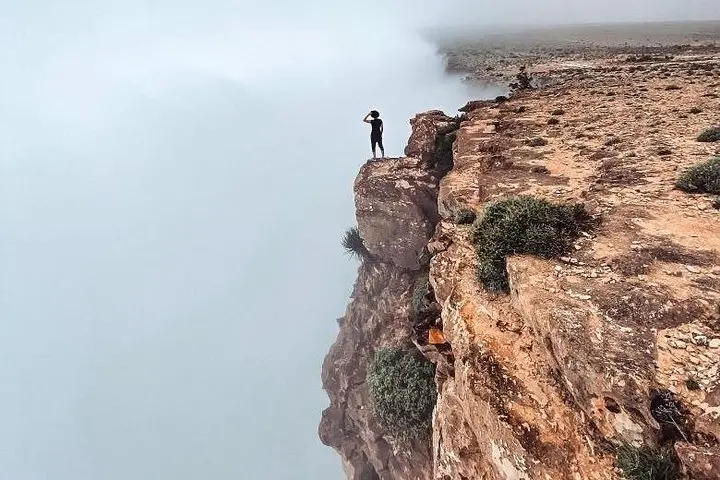
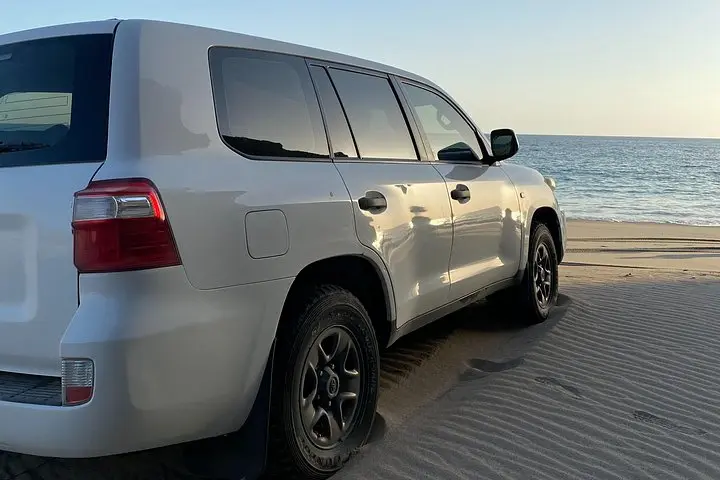
The day opens with the road unfurling east from Salalah, the city’s heat trading places with a cooler, higher air as the vehicle climbs toward Jebel Samhan. Clouds gather low and the mountain often seems to push them aside; the driver and guide move with practiced ease through switchbacks while the desert gives way to green gorges.
Verified experiences and guided adventures in the surrounding area.
Operated by Go Salalah Tour · Salalah, Dhofar Governorate
The day opens with the road unfurling east from Salalah, the city’s heat trading places with a cooler, higher air as the vehicle climbs toward Jebel Samhan. Clouds gather low and the mountain often seems to push them aside; the driver and guide move with practiced ease through switchbacks while the desert gives way to green gorges.
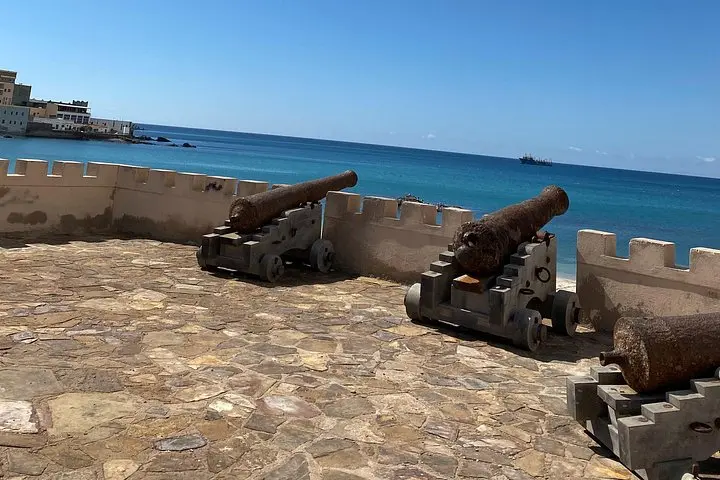
History is visible at every turn: Mirbat’s trading houses recall the frankincense era and the fortress on the hill hints at 18th-century coastal power. Geology shapes the route — limestone cliffs and sinkholes like Tawi Ateer cut dramatic bowls into the landscape, while baobab giants, likely imported centuries ago, stand stubborn against erosion.
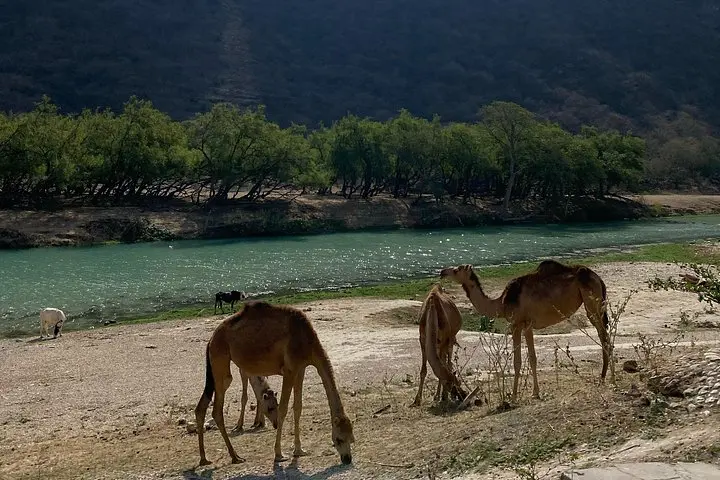
Culture is present in small moments: a tea served in a roadside village, fishermen repairing nets on Taqah’s white-sand beach, a guide pointing out ancient camel caravan routes. Nature here has personality — Wadi Darbat’s waterfalls insist you stop; the sinkhole seems to breathe.
Practical guidance: this is a driving-intensive full-day private tour with short walks at viewpoints and wadi edges. Expect 8 hours from pickup; bring sun protection, a refillable water bottle, and shoes for uneven surfaces. The Khareef (monsoon) season, June–September, turns the hills green and fills streams; outside those months the landscape is drier and visibility is clearer.
Photography is excellent at sunrise or late afternoon; lunch is traditionally Arabic and usually included. Accessibility is generally good — roads are paved though some viewpoints require brief walks. The experience suits travelers wanting a concentrated survey of eastern Dhofar’s geology, history, and coastal life within a single, well-paced day.
This private tour runs approximately 8 hours; exact pickup and drop-off times are arranged at booking based on your location in Salalah.
Yes — the tour is labeled easy with mostly vehicle transfers and short walks; infant seats and wheelchair-accessible transport options are available on request.
Lunch and non-alcoholic drinks listed are included; specific entrance fees are typically not required for the public viewpoints on this itinerary.
Khareef season (June–September) brings monsoon-like rains that green the hills and activate waterfalls, making it the most dramatic time for wadi and mountain views.
Go Salalah Tour operates guided outdoor trips and adventures with an emphasis on safety, stewardship, and memorable experiences.
The day opens with the road unfurling east from Salalah, the city’s heat trading places with a cooler, higher air as the vehicle climbs toward Jebel Samhan. Clouds gather low and the mountain often seems to push them aside; the driver and guide move with practiced ease through switchbacks while the desert gives way to green gorges.
The day opens with the road unfurling east from Salalah, the city’s heat trading places with a cooler, higher air as the vehicle climbs toward Jebel Samhan. Clouds gather low and the mountain often seems to push them aside; the driver and guide move with practiced ease through switchbacks while the desert gives way to green gorges.
History is visible at every turn: Mirbat’s trading houses recall the frankincense era and the fortress on the hill hints at 18th-century coastal power. Geology shapes the route — limestone cliffs and sinkholes like Tawi Ateer cut dramatic bowls into the landscape, while baobab giants, likely imported centuries ago, stand stubborn against erosion.
Culture is present in small moments: a tea served in a roadside village, fishermen repairing nets on Taqah’s white-sand beach, a guide pointing out ancient camel caravan routes. Nature here has personality — Wadi Darbat’s waterfalls insist you stop; the sinkhole seems to breathe.
Practical guidance: this is a driving-intensive full-day private tour with short walks at viewpoints and wadi edges. Expect 8 hours from pickup; bring sun protection, a refillable water bottle, and shoes for uneven surfaces. The Khareef (monsoon) season, June–September, turns the hills green and fills streams; outside those months the landscape is drier and visibility is clearer.
Photography is excellent at sunrise or late afternoon; lunch is traditionally Arabic and usually included. Accessibility is generally good — roads are paved though some viewpoints require brief walks. The experience suits travelers wanting a concentrated survey of eastern Dhofar’s geology, history, and coastal life within a single, well-paced day.