THE ADVENTURE COLLECTIVE® · Independent discovery and booking for outdoor travel

Make a day of it: a private, full‑day drive from Cairo to El Minya visits Tuna El‑Gabal, Tell el‑Amarna and the tombs of Beni Hasan. Expect long road time, rich archaeology and stark Nile‑side landscapes.
Make a day of it: a private, full‑day drive from Cairo to El Minya visits Tuna El‑Gabal, Tell el‑Amarna and the tombs of Beni Hasan. Expect long road time, rich archaeology and stark Nile‑side landscapes.
By dawn the air in Cairo is still soft when the A/C minibus pulls away for the long sweep south toward El Minya. The asphalt ribbon narrows, fields of sugarcane and bare earth pass in a steady pulse, and the Nile slides alongside like a ribbon of liquid history daring you to keep watching.
Verified experiences and guided adventures in the surrounding area.
Operated by EMO TOURS EGYPT · El Minya, Al Minya Governorate
By dawn the air in Cairo is still soft when the A/C minibus pulls away for the long sweep south toward El Minya. The asphalt ribbon narrows, fields of sugarcane and bare earth pass in a steady pulse, and the Nile slides alongside like a ribbon of liquid history daring you to keep watching.
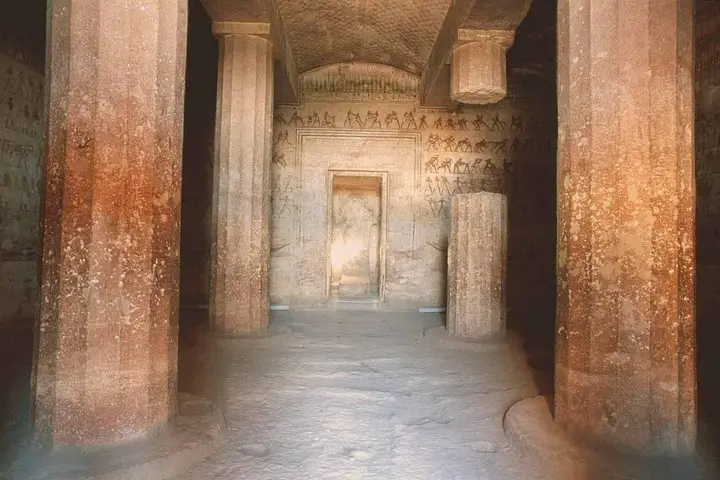
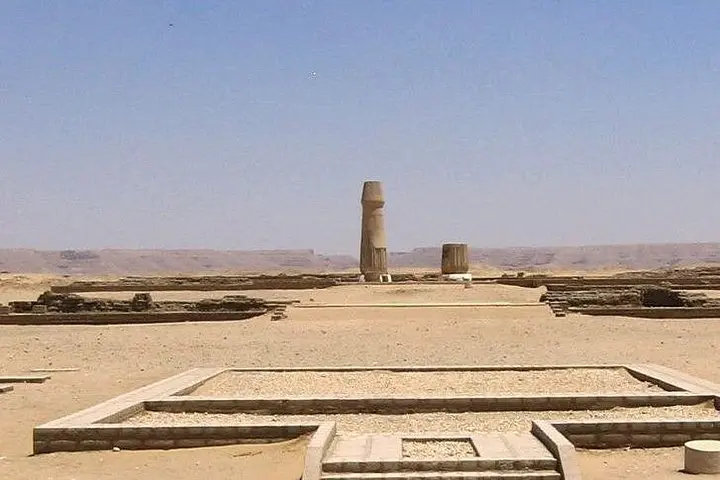
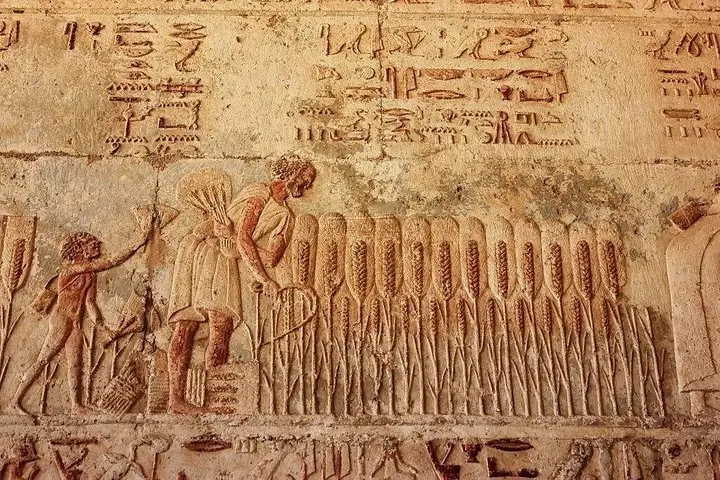
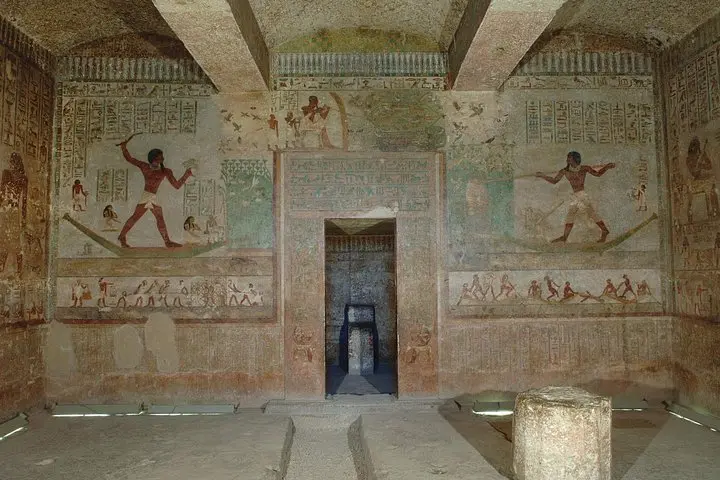
El Minya governorate sits on the Nile’s west bank where pharaonic memory remains visible in stone. Tuna El-Gabal (the necropolis of ancient Hermopolis) preserves rock-cut tombs and the ibis-shaped markers of Thoth, the god of wisdom. A short drive brings you to Tell el-Amarna, the sunken capital of Akhenaten with its clay tablets that rewrote Late Bronze Age diplomacy. Beni Hasan’s Middle Kingdom tombs open onto plain vistas and painted scenes of daily life and warfare, carved more than three millennia ago.
Geology here is simple — Nile alluvium, low limestone cliffs and soft sandstone that allowed ancient builders to carve tombs directly into the banks. Local culture is rural and agricultural; markets in El Minya sell dates, textiles and Mallawi woodcarvings crafted nearby.
Practical guidance: expect a full 16‑hour day with roughly four hours driving each way; wear sturdy, closed-toe shoes for uneven archaeological terraces, bring sun protection and a refillable water bottle (bottled water is provided). Carry photocopies of travel documents for museum checks and budget time for security screening. Pace your camera stops—shade is limited and midday sun is strong. The tour is best started early to avoid heat and heavy afternoon light on the ruins.
Expect roughly four hours each way by private air‑conditioned vehicle, depending on traffic and stops.
Entrance fees are typically not included in basic tour pricing; confirm with the operator before booking.
Infant seats are available and the tour is rated physically easy for most ages, but long transfers can be tiring for young children.
Sites involve uneven terrain and steps; the tour is not recommended for travelers with serious back, heart, or mobility conditions.
EMO TOURS EGYPT operates guided outdoor trips and adventures with an emphasis on safety, stewardship, and memorable experiences.
By dawn the air in Cairo is still soft when the A/C minibus pulls away for the long sweep south toward El Minya. The asphalt ribbon narrows, fields of sugarcane and bare earth pass in a steady pulse, and the Nile slides alongside like a ribbon of liquid history daring you to keep watching.
By dawn the air in Cairo is still soft when the A/C minibus pulls away for the long sweep south toward El Minya. The asphalt ribbon narrows, fields of sugarcane and bare earth pass in a steady pulse, and the Nile slides alongside like a ribbon of liquid history daring you to keep watching.
El Minya governorate sits on the Nile’s west bank where pharaonic memory remains visible in stone. Tuna El-Gabal (the necropolis of ancient Hermopolis) preserves rock-cut tombs and the ibis-shaped markers of Thoth, the god of wisdom. A short drive brings you to Tell el-Amarna, the sunken capital of Akhenaten with its clay tablets that rewrote Late Bronze Age diplomacy. Beni Hasan’s Middle Kingdom tombs open onto plain vistas and painted scenes of daily life and warfare, carved more than three millennia ago.
Geology here is simple — Nile alluvium, low limestone cliffs and soft sandstone that allowed ancient builders to carve tombs directly into the banks. Local culture is rural and agricultural; markets in El Minya sell dates, textiles and Mallawi woodcarvings crafted nearby.
Practical guidance: expect a full 16‑hour day with roughly four hours driving each way; wear sturdy, closed-toe shoes for uneven archaeological terraces, bring sun protection and a refillable water bottle (bottled water is provided). Carry photocopies of travel documents for museum checks and budget time for security screening. Pace your camera stops—shade is limited and midday sun is strong. The tour is best started early to avoid heat and heavy afternoon light on the ruins.