THE ADVENTURE COLLECTIVE® · Independent discovery and booking for outdoor travel

Head to Essaouira on a full-day excursion from Casablanca to see goats in argan trees, walk ramparts that face the Atlantic and explore a blue-and-white medina. This guided day trip combines coastal scenery, local argan cooperatives and fresh seafood at the harbor.
Head to Essaouira on a full-day excursion from Casablanca to see goats in argan trees, walk ramparts that face the Atlantic and explore a blue-and-white medina. This guided day trip combines coastal scenery, local argan cooperatives and fresh seafood at the harbor.
You leave Casablanca before dawn and the highway opens up like a promise; the kasbah walls of Essaouira appear as the air tastes of salt and wind. By mid-morning the coach pulls into a scrubby argan forest where goats perch in low branches, nibbling with a casual balance that feels almost deliberate—nature showing off an odd skill.
Verified experiences and guided adventures in the surrounding area.
Operated by Marrakech First Trip · Essaouira, Marrakech-Safi
You leave Casablanca before dawn and the highway opens up like a promise; the kasbah walls of Essaouira appear as the air tastes of salt and wind. By mid-morning the coach pulls into a scrubby argan forest where goats perch in low branches, nibbling with a casual balance that feels almost deliberate—nature showing off an odd skill.
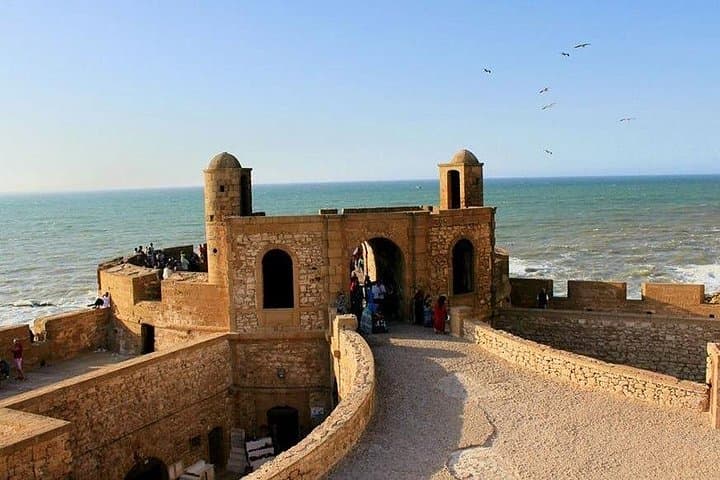
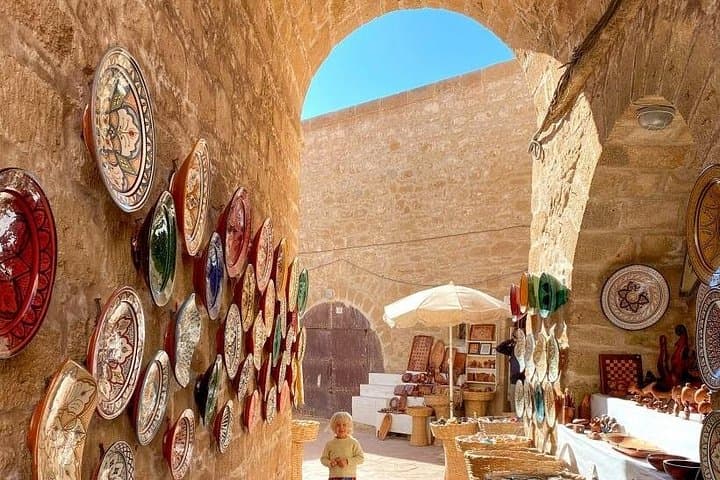
Essaouira sits on a rocky peninsula where Atlantic swells have shaped ramparts and harbors for centuries. The city’s present design traces to the 18th century when Sultan Sidi Mohamed Ben Abdellah hired French engineer Théodore Cornut; the result is a layout that blends Portuguese and Moroccan fortification techniques. The Sqala of the Port watches the sea while the medina’s blue-and-white facades open onto tight alleys lined with woodworkers, spice stalls and rooftop cafés.
Culture is visible and hands-on: women’s argan cooperatives press oil in small-scale workshops, fishers haul in the day’s sardines, and the memory of Gnaoua music hums in courtyards each June. Geology matters here—the peninsula’s layered limestone and coastal sands create wind-swept beaches that invite kitesurfers and long shoreline walks.
Practical guidance: expect an 11–12 hour day with hotel pickup in Casablanca, several on-foot stops and time for lunch in the port. Wear sturdy walking shoes for cobbles, bring sun protection and cash for market purchases, and allow extra time for photography on the ramparts at golden hour. The trip is low-technical but full-day stamina is required; pack a light layer for Atlantic breezes and plan for limited mobility options in narrow alleys.
Expect about 2.5–3 hours each way on the highway, depending on traffic and stops en route.
Yes — the itinerary includes unstructured time for walking the medina, visiting workshops and eating in the harbor area.
Most visits are to small, community-run cooperatives where women demonstrate traditional extraction methods and sell locally produced oil and cosmetics.
The tour is family-friendly but involves long vehicle transfers and walking on uneven surfaces; arrange pickup details and any mobility needs in advance.
Marrakech First Trip operates guided outdoor trips and adventures with an emphasis on safety, stewardship, and memorable experiences.


You leave Casablanca before dawn and the highway opens up like a promise; the kasbah walls of Essaouira appear as the air tastes of salt and wind. By mid-morning the coach pulls into a scrubby argan forest where goats perch in low branches, nibbling with a casual balance that feels almost deliberate—nature showing off an odd skill.
You leave Casablanca before dawn and the highway opens up like a promise; the kasbah walls of Essaouira appear as the air tastes of salt and wind. By mid-morning the coach pulls into a scrubby argan forest where goats perch in low branches, nibbling with a casual balance that feels almost deliberate—nature showing off an odd skill.
Essaouira sits on a rocky peninsula where Atlantic swells have shaped ramparts and harbors for centuries. The city’s present design traces to the 18th century when Sultan Sidi Mohamed Ben Abdellah hired French engineer Théodore Cornut; the result is a layout that blends Portuguese and Moroccan fortification techniques. The Sqala of the Port watches the sea while the medina’s blue-and-white facades open onto tight alleys lined with woodworkers, spice stalls and rooftop cafés.
Culture is visible and hands-on: women’s argan cooperatives press oil in small-scale workshops, fishers haul in the day’s sardines, and the memory of Gnaoua music hums in courtyards each June. Geology matters here—the peninsula’s layered limestone and coastal sands create wind-swept beaches that invite kitesurfers and long shoreline walks.
Practical guidance: expect an 11–12 hour day with hotel pickup in Casablanca, several on-foot stops and time for lunch in the port. Wear sturdy walking shoes for cobbles, bring sun protection and cash for market purchases, and allow extra time for photography on the ramparts at golden hour. The trip is low-technical but full-day stamina is required; pack a light layer for Atlantic breezes and plan for limited mobility options in narrow alleys.