THE ADVENTURE COLLECTIVE® · Independent discovery and booking for outdoor travel

Walk the ancient alleys of Fes el-Bali with an expert guide, then get your hands dirty in a half-day pottery workshop. This full-day pairing combines architectural history, living crafts, and practical tips to make the most of Morocco’s cultural capital.
Walk the ancient alleys of Fes el-Bali with an expert guide, then get your hands dirty in a half-day pottery workshop. This full-day pairing combines architectural history, living crafts, and practical tips to make the most of Morocco’s cultural capital.
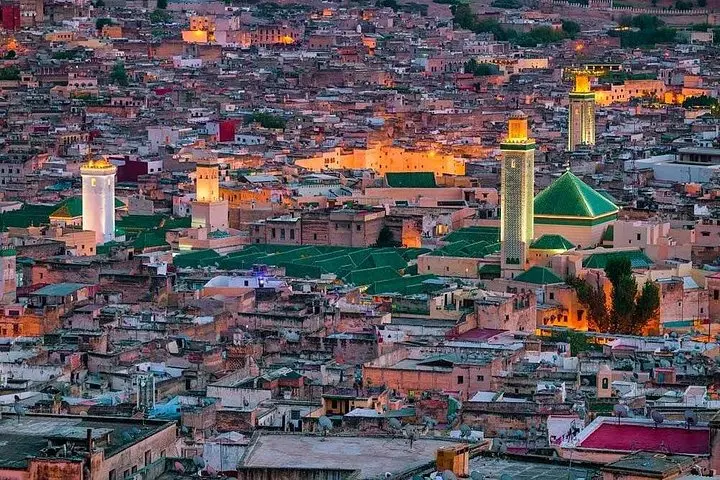
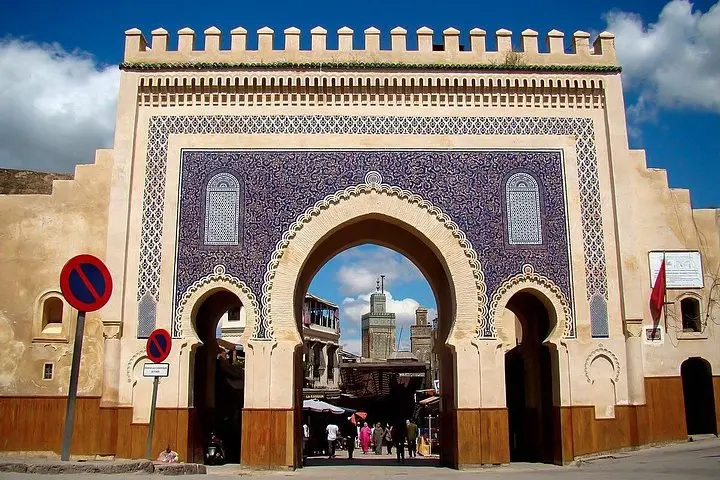
You enter Fes el-Bali through Bab Boujloud and the city immediately asserts itself — alleys narrow like a braid, tile chatter reflects the sun, and the air carries spices and the faint tang of tannery dyes. Guides steer you with practiced ease while the medina’s stone ribs and carved cedar frames keep time around you.
Verified experiences and guided adventures in the surrounding area.
Operated by Sahara Golden Desert · Fes, Fès-Meknès
You enter Fes el-Bali through Bab Boujloud and the city immediately asserts itself — alleys narrow like a braid, tile chatter reflects the sun, and the air carries spices and the faint tang of tannery dyes. Guides steer you with practiced ease while the medina’s stone ribs and carved cedar frames keep time around you.
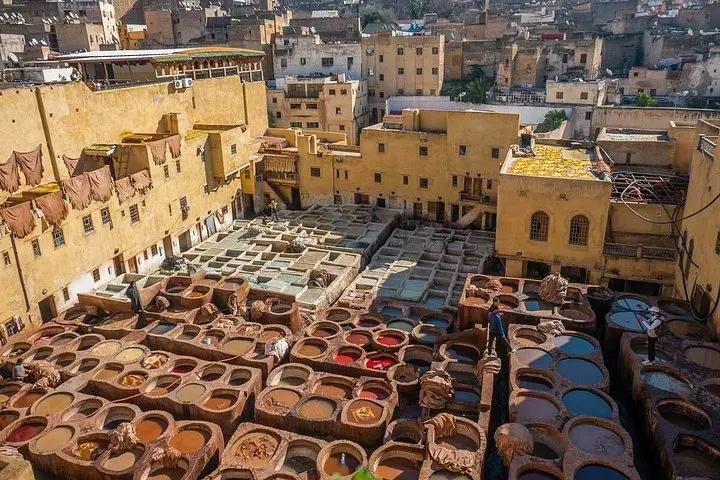
Fes is one of Morocco’s oldest imperial cities, a medieval center of scholarship since the 9th century. The medersas—Bou Inania and Al-Attarine—show how stone, zellij and cedarwood were composed into complex geometry; the Karaouiyne Mosque anchors the city’s religious and intellectual life. The Chouara tannery and Dar Batha reveal craft economies that have shaped neighborhoods for centuries.
Geologically, Fes sits on a plateau where erosion-carved soils meet the Rif and Middle Atlas runoff, which historically supported its water wheels and fountains. Culturally, the city is a living workshop—artisans shaping leather, metal, and clay by techniques passed through households and guilds.
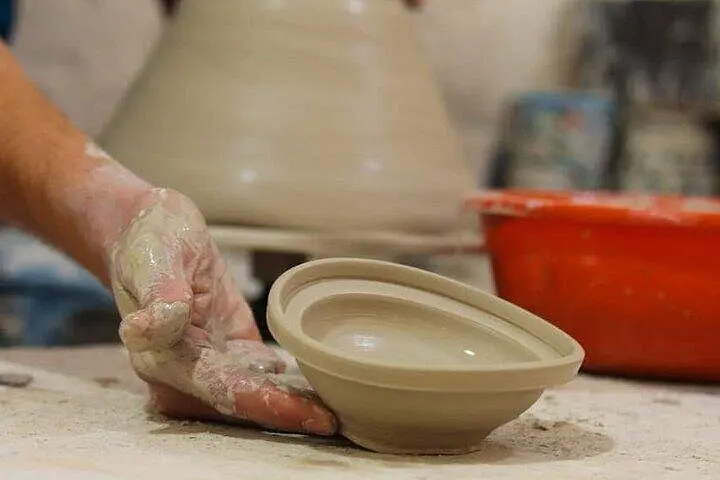
Practical guidance: wear sturdy closed shoes for uneven cobbles, carry water and small change for purchases, and expect a full day of walking with multiple short stops. The pottery session gives hands-on time — you’ll draw, shape or paint under an instructor’s supervision; final firing may be arranged by the studio for pickup or shipping.
Timing matters: mornings are cooler and less crowded in narrow lanes; late-afternoon light flatters tiles for photos. Respect prayer times and ask before photographing people or workspaces. Together, the guided tour and workshop make Fes both a classroom and a doorway to local craft traditions.
Private tours often offer pickup—confirm your pickup point during booking; transport is by air‑conditioned vehicle per the listing.
You can paint or shape pieces during the workshop, but final firing may require time; the studio will advise on pickup or shipping options and any additional fees.
Some main entrances and wider streets are accessible, but many alleys have uneven cobbles and steps; the tour notes wheelchair access but mobility can be limited in parts of the old medina.
The itinerary lists visits to madrasas and monuments—confirm if specific admission fees are included when booking, as some sites may charge separately.
Sahara Golden Desert operates guided outdoor trips and adventures with an emphasis on safety, stewardship, and memorable experiences.
You enter Fes el-Bali through Bab Boujloud and the city immediately asserts itself — alleys narrow like a braid, tile chatter reflects the sun, and the air carries spices and the faint tang of tannery dyes. Guides steer you with practiced ease while the medina’s stone ribs and carved cedar frames keep time around you.
You enter Fes el-Bali through Bab Boujloud and the city immediately asserts itself — alleys narrow like a braid, tile chatter reflects the sun, and the air carries spices and the faint tang of tannery dyes. Guides steer you with practiced ease while the medina’s stone ribs and carved cedar frames keep time around you.
Fes is one of Morocco’s oldest imperial cities, a medieval center of scholarship since the 9th century. The medersas—Bou Inania and Al-Attarine—show how stone, zellij and cedarwood were composed into complex geometry; the Karaouiyne Mosque anchors the city’s religious and intellectual life. The Chouara tannery and Dar Batha reveal craft economies that have shaped neighborhoods for centuries.
Geologically, Fes sits on a plateau where erosion-carved soils meet the Rif and Middle Atlas runoff, which historically supported its water wheels and fountains. Culturally, the city is a living workshop—artisans shaping leather, metal, and clay by techniques passed through households and guilds.
Practical guidance: wear sturdy closed shoes for uneven cobbles, carry water and small change for purchases, and expect a full day of walking with multiple short stops. The pottery session gives hands-on time — you’ll draw, shape or paint under an instructor’s supervision; final firing may be arranged by the studio for pickup or shipping.
Timing matters: mornings are cooler and less crowded in narrow lanes; late-afternoon light flatters tiles for photos. Respect prayer times and ask before photographing people or workspaces. Together, the guided tour and workshop make Fes both a classroom and a doorway to local craft traditions.