THE ADVENTURE COLLECTIVE® · Independent discovery and booking for outdoor travel

A single day takes you from the buoyant Dead Sea shoreline into Amman’s layered ruins and the spare beauty of Umayyad desert castles. See Roman amphitheatres, frescoed bathhouses, and a basalt fort linked to Lawrence of Arabia—all with practical advice for timing, packing, and what to expect on-site.
A single day takes you from the buoyant Dead Sea shoreline into Amman’s layered ruins and the spare beauty of Umayyad desert castles. See Roman amphitheatres, frescoed bathhouses, and a basalt fort linked to Lawrence of Arabia—all with practical advice for timing, packing, and what to expect on-site.
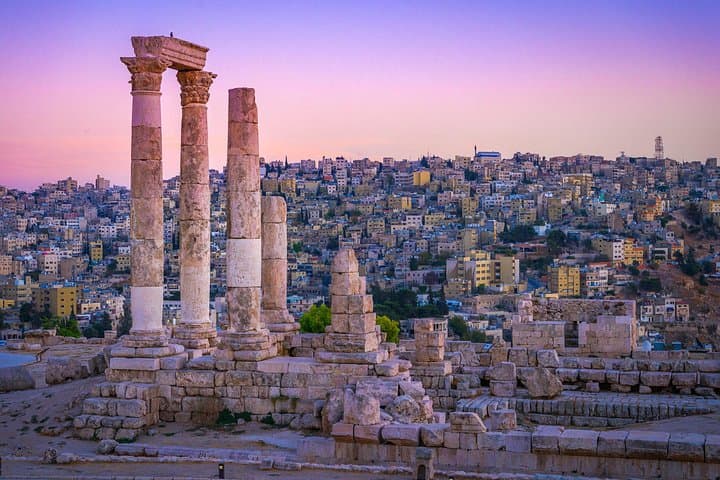
You step out of your Dead Sea hotel into a parched, bright morning; the road unfurls east toward Amman and the flat, ochre sweep of the eastern desert. Windows frame limestone hills, olive groves, and the slow geometry of highways that have carried traders and armies for millennia. By mid-morning the Roman Theatre and the Citadel rise above traffic — stone and shadow that let you read Amman’s long chapters at a single glance.
Verified experiences and guided adventures in the surrounding area.
Operated by Alamal Travel &Tourism · Amman, Amman Governorate
You step out of your Dead Sea hotel into a parched, bright morning; the road unfurls east toward Amman and the flat, ochre sweep of the eastern desert. Windows frame limestone hills, olive groves, and the slow geometry of highways that have carried traders and armies for millennia. By mid-morning the Roman Theatre and the Citadel rise above traffic — stone and shadow that let you read Amman’s long chapters at a single glance.
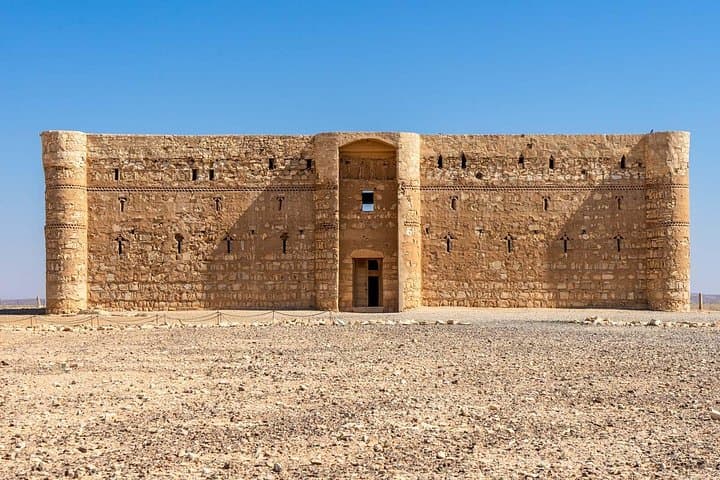
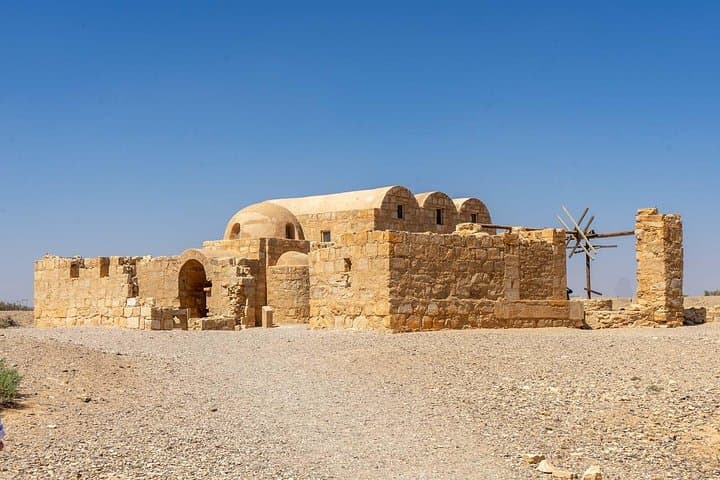
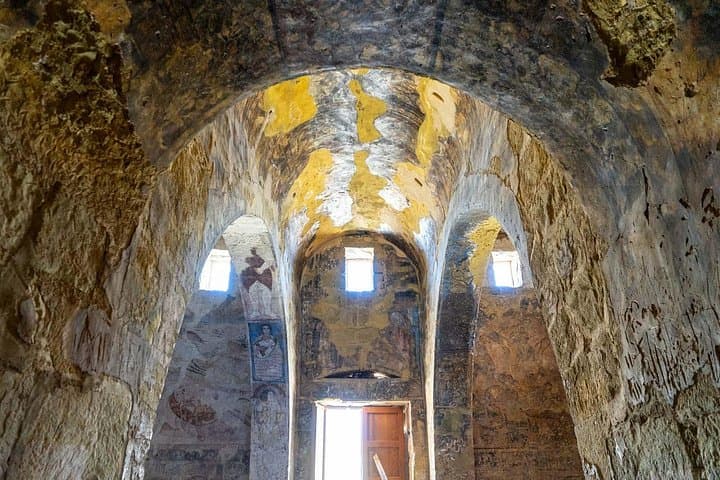
The day threads from urban ruins to Umayyad intimacy. The Citadel and Roman amphitheatre show Byzantine and Roman layers; then the route opens onto isolated desert castles — Qasr Kharana with its squat towers, Qasr Amra with frescoes that reveal early Islamic court life, and Azraq Castle, a basalt keep tied to Lawrence of Arabia and the Arab Revolt. Geology matters here: limestone outcrops near Amman give way to basalt and sabkha plains where groundwater and springs once sustained oases.
Expect short walks, flat surfaces, and dusty approaches rather than long hikes. Bring sun protection and water; museum-like frescoes at Amra require respectful distance. Local culture is present in market stalls and the call to prayer echoing across plazas — a practical reminder to dress modestly and move deliberately during prayer times.
Practical guidance: the full-day tour runs about 9–10 hours with hotel pickup at the Dead Sea; wear sturdy walking shoes for uneven stone steps, carry at least 1.5 liters of water, and plan for traffic returning to coastal resorts. Timing a visit for morning light at the castles gives cooler temperatures and clearer photos.
The tour runs approximately 9–10 hours, including hotel pickup and return to the Dead Sea area.
Standard pricing notes that entry tickets are optional—confirm at booking whether admissions are covered or paid onsite.
Yes; the itinerary is low-impact with short walks and vehicle transport between sites, and infant seats are available on request.
The itinerary includes a short visit to Amman’s old markets, but time is limited—plan extra time in Amman itself if you want extended shopping.
Alamal Travel &Tourism operates guided outdoor trips and adventures with an emphasis on safety, stewardship, and memorable experiences.
You step out of your Dead Sea hotel into a parched, bright morning; the road unfurls east toward Amman and the flat, ochre sweep of the eastern desert. Windows frame limestone hills, olive groves, and the slow geometry of highways that have carried traders and armies for millennia. By mid-morning the Roman Theatre and the Citadel rise above traffic — stone and shadow that let you read Amman’s long chapters at a single glance.
You step out of your Dead Sea hotel into a parched, bright morning; the road unfurls east toward Amman and the flat, ochre sweep of the eastern desert. Windows frame limestone hills, olive groves, and the slow geometry of highways that have carried traders and armies for millennia. By mid-morning the Roman Theatre and the Citadel rise above traffic — stone and shadow that let you read Amman’s long chapters at a single glance.
The day threads from urban ruins to Umayyad intimacy. The Citadel and Roman amphitheatre show Byzantine and Roman layers; then the route opens onto isolated desert castles — Qasr Kharana with its squat towers, Qasr Amra with frescoes that reveal early Islamic court life, and Azraq Castle, a basalt keep tied to Lawrence of Arabia and the Arab Revolt. Geology matters here: limestone outcrops near Amman give way to basalt and sabkha plains where groundwater and springs once sustained oases.
Expect short walks, flat surfaces, and dusty approaches rather than long hikes. Bring sun protection and water; museum-like frescoes at Amra require respectful distance. Local culture is present in market stalls and the call to prayer echoing across plazas — a practical reminder to dress modestly and move deliberately during prayer times.
Practical guidance: the full-day tour runs about 9–10 hours with hotel pickup at the Dead Sea; wear sturdy walking shoes for uneven stone steps, carry at least 1.5 liters of water, and plan for traffic returning to coastal resorts. Timing a visit for morning light at the castles gives cooler temperatures and clearer photos.