
Full-Day Galle Tour: Madu River Safari, Turtle Hatchery, Gem Mine & Galle Fort
Experience Galle’s coast, wildlife and colonial history in one day: a mangrove river safari, a gem-mining demo, turtle conservation encounters and a walk through the UNESCO-listed Galle Fort. This full-day tour blends wildlife, culture and hands-on local experiences.
An Adventure In Galle.
Experience Galle’s coast, wildlife and colonial history in one day: a mangrove river safari, a gem-mining demo, turtle conservation encounters and a walk through the UNESCO-listed Galle Fort. This full-day tour blends wildlife, culture and hands-on local experiences.
Read the full experience
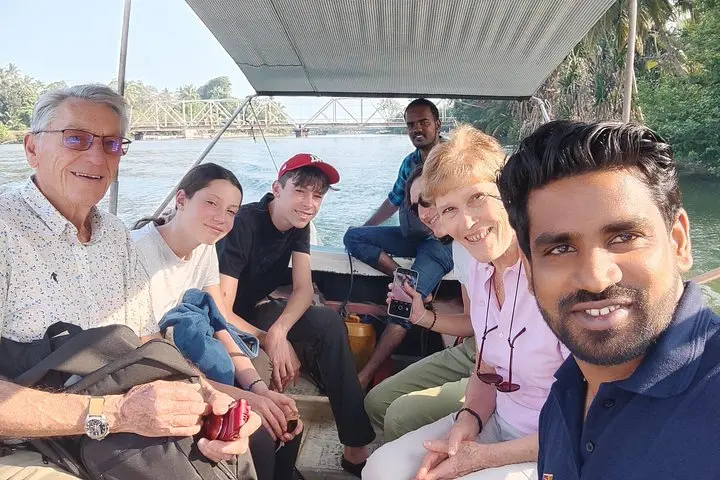
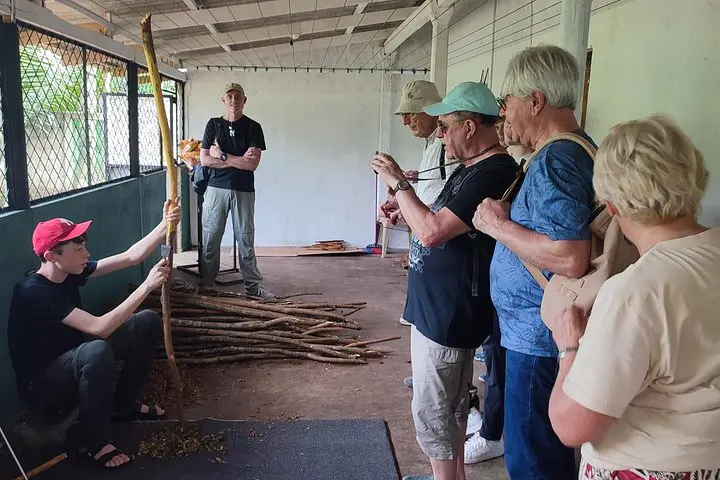
The day begins with the smell of salt and wet mangrove earth as a small boat slips into the braided channels of the Madu River, sunlight cutting through a canopy of leaves. Boats glide past temple islands and fishermen poling shallow sandbanks; kingfishers flash and small estuarine crabs scuttle at the waterline. From the river’s quiet, the tour moves inland to small-scale gem pits where moonstones and sapphires are washed from alluvial gravels—hands-on, dusty and surprisingly tactile.
The day begins with the smell of salt and wet mangrove earth as a small boat slips into the braided channels of the Madu River, sunlight cutting through a canopy of leaves. Boats glide past temple islands and fishermen poling shallow sandbanks; kingfishers flash and small estuarine crabs scuttle at the waterline. From the river’s quiet, the tour moves inland to small-scale gem pits where moonstones and sapphires are washed from alluvial gravels—hands-on, dusty and surprisingly tactile.
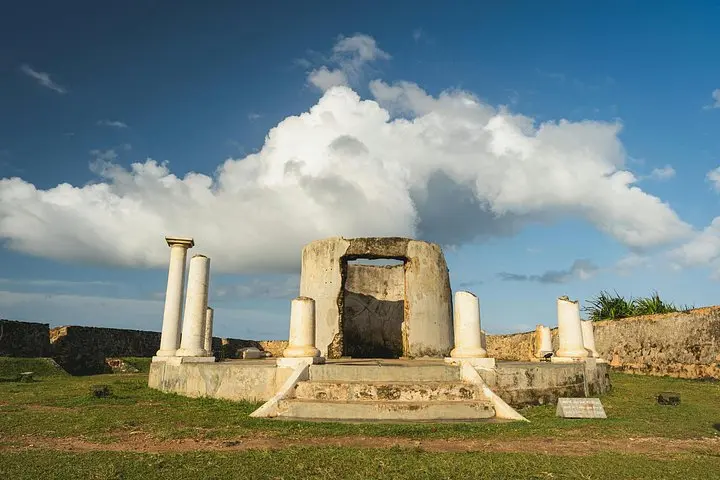
By afternoon the rhythm changes again on the raised ramparts of Galle Fort. Built and expanded by the Portuguese, Dutch and British between the 16th and 19th centuries, the fort’s stone walls, colonial mansions and lighthouse tell the story of maritime trade and colonial strategy on Sri Lanka’s southern coast. The geology here—coastal limestone shelves and alluvial plains—gave rise to the gem deposits nearby and the sheltered estuary of the Madu River that supports dense mangrove habitat.
Practical guidance: plan for a full day (expect 8–10 hours including pickup), wear closed shoes for cobbled streets and a sun hat for exposed boat decks. Bring local currency for small purchases and tip guides if the service is good. The tour mixes low-impact walking with short boat transfers—appropriate for most travelers but take care on slippery steps and boardings. Expect a comfortable, varied day that combines wildlife viewing, hands-on cultural learning and a strong sense of place on Sri Lanka’s southern shore.
Frequently asked questions
Yes — the tour includes free hotel pickup and drop-off from many coastal hotels between Wadduwa and Mirissa; confirm your pickup point when booking.
The itinerary lists admission fees and lunch as included for the standard tour, though specific sites may charge additional local fees—confirm with the operator.
You may visit a turtle hatchery along the coast where turtles are cared for; sightings in the wild aren’t guaranteed but managed hatcheries are reliable for close encounters.
Yes — the tour is rated easy and suitable for most ages; however, families should supervise children during boat transfers and near water, and mobility-impaired travelers should advise the operator in advance for assistance.
About This Experience
Alwis Lanka Tours operates guided outdoor trips and adventures with an emphasis on safety, stewardship, and memorable experiences.
Adventure tips
Recommended gear
- Closed-toe walking shoes: Protects feet on cobbled fort streets and during short hikes around riverbanks.
- Wide-brim sun hat and sunscreen: Blocks strong sun on boat decks and exposed fort walls.
- Reusable water bottle: Staying hydrated is important during a full-day outing in a tropical climate.
- Light rain shell or poncho: Useful during unexpected showers, especially in the inter-monsoon months.
Photos of the experience
Related adventures & guides
Read the full experience
The day begins with the smell of salt and wet mangrove earth as a small boat slips into the braided channels of the Madu River, sunlight cutting through a canopy of leaves. Boats glide past temple islands and fishermen poling shallow sandbanks; kingfishers flash and small estuarine crabs scuttle at the waterline. From the river’s quiet, the tour moves inland to small-scale gem pits where moonstones and sapphires are washed from alluvial gravels—hands-on, dusty and surprisingly tactile.
The day begins with the smell of salt and wet mangrove earth as a small boat slips into the braided channels of the Madu River, sunlight cutting through a canopy of leaves. Boats glide past temple islands and fishermen poling shallow sandbanks; kingfishers flash and small estuarine crabs scuttle at the waterline. From the river’s quiet, the tour moves inland to small-scale gem pits where moonstones and sapphires are washed from alluvial gravels—hands-on, dusty and surprisingly tactile.
By afternoon the rhythm changes again on the raised ramparts of Galle Fort. Built and expanded by the Portuguese, Dutch and British between the 16th and 19th centuries, the fort’s stone walls, colonial mansions and lighthouse tell the story of maritime trade and colonial strategy on Sri Lanka’s southern coast. The geology here—coastal limestone shelves and alluvial plains—gave rise to the gem deposits nearby and the sheltered estuary of the Madu River that supports dense mangrove habitat.
Practical guidance: plan for a full day (expect 8–10 hours including pickup), wear closed shoes for cobbled streets and a sun hat for exposed boat decks. Bring local currency for small purchases and tip guides if the service is good. The tour mixes low-impact walking with short boat transfers—appropriate for most travelers but take care on slippery steps and boardings. Expect a comfortable, varied day that combines wildlife viewing, hands-on cultural learning and a strong sense of place on Sri Lanka’s southern shore.
Make a day of it nearby.
Verified experiences and guided adventures in the surrounding area.