THE ADVENTURE COLLECTIVE® · Independent discovery and booking for outdoor travel

A single day that compresses Egypt’s textbook sites: the Giza Plateau’s pyramids, the Egyptian Museum’s treasures and the lively lanes of Khan el-Khalili. This guided excursion from Sharm El-Sheikh is a long, logistical day designed to maximize iconic sights with practical support.
A single day that compresses Egypt’s textbook sites: the Giza Plateau’s pyramids, the Egyptian Museum’s treasures and the lively lanes of Khan el-Khalili. This guided excursion from Sharm El-Sheikh is a long, logistical day designed to maximize iconic sights with practical support.
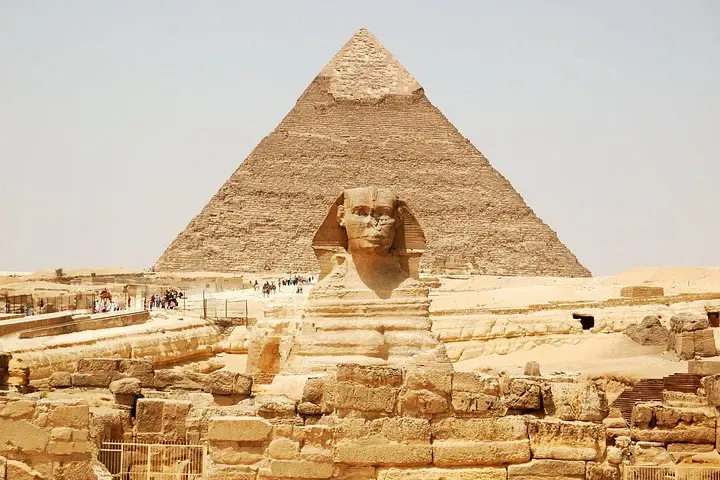
You arrive before dawn in Cairo’s ragged light, the desert air leaning cool against the airplane windows as you head toward the Giza Plateau. By midmorning the three pyramids loom—stone blocks stacked like a geological clock—while vendors and guidebooks compete to explain the scale and the secrets.
Verified experiences and guided adventures in the surrounding area.
Operated by Book My Egypt Tours · Giza, Cairo Governorate
You arrive before dawn in Cairo’s ragged light, the desert air leaning cool against the airplane windows as you head toward the Giza Plateau. By midmorning the three pyramids loom—stone blocks stacked like a geological clock—while vendors and guidebooks compete to explain the scale and the secrets.
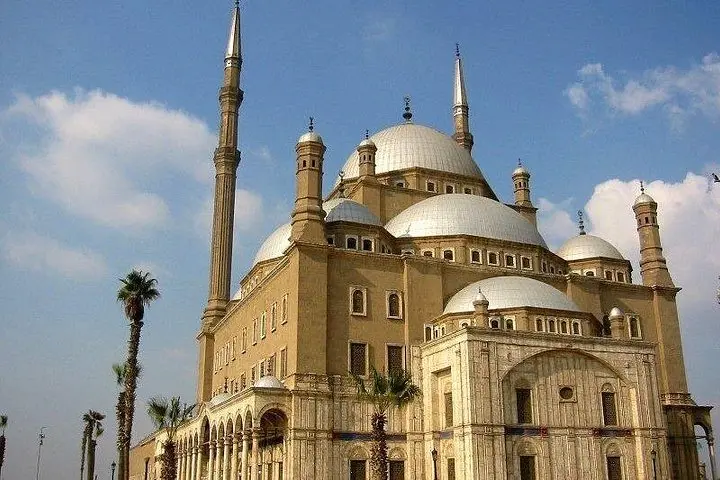
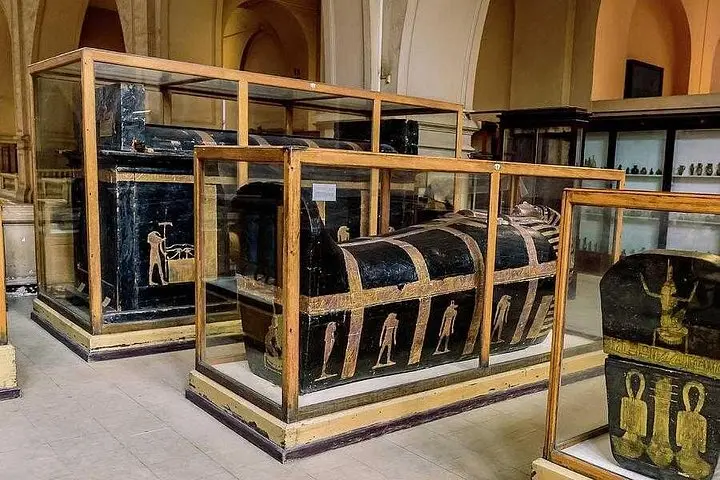
The plateau itself is part of a larger limestone fringe on the western edge of the Nile Valley; Khufu, Khafre and Menkaure date to the Fourth Dynasty and sit above an ancient network of workers’ cemeteries and causeways. Inside the Egyptian Museum, artifacts recover centuries of trade, funerary practice and metalwork—most famously the Tutankhamun hoard—while the Citadel, built by Salah ad-Din in the 12th century, introduces Ottoman-era architecture and the alabaster Muhammad Ali Mosque.
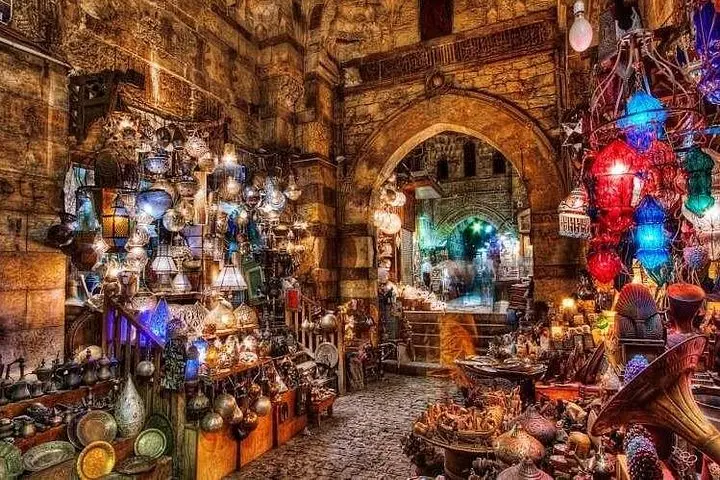
Expect a packed day: an early pickup from Sharm El-Sheikh, a short domestic flight, guided stops at panoramic viewpoints on the plateau, time in the museum, a walk through medieval Cairo and browsing in Khan el-Khalili’s alleys. Terrain ranges from paved museum floors to uneven desert sand and stone; temperatures can swing widely.
Practical tips: carry passport/visa copies, insist on bottled water during the desert stops, wear sturdy shoes for uneven ground, and budget time for security lines. Bring sun protection, small bills for tipping and a plan for sensitive photography around some monuments. The tour moves quickly—bring curiosity and a light pack, and the day will deliver one of Egypt’s most concentrated cultural experiences.
Yes; visitors must have appropriate visa permission for Cairo—organizers will request passport details during booking and you must carry original documents for flights and checkpoints.
The tour lists entry fees and the round-trip Sharm–Cairo flight as included, but some special exhibits or optional sites may have additional fees.
Yes; the museum is family-friendly but large and busy—plan shorter visits if traveling with young children and prioritize key galleries like Tutankhamun’s collection.
Photography is allowed at the outdoor sites; flash and tripods may be restricted in some museum galleries and special exhibits—follow onsite signage and guide instructions.
Book My Egypt Tours operates guided outdoor trips and adventures with an emphasis on safety, stewardship, and memorable experiences.
You arrive before dawn in Cairo’s ragged light, the desert air leaning cool against the airplane windows as you head toward the Giza Plateau. By midmorning the three pyramids loom—stone blocks stacked like a geological clock—while vendors and guidebooks compete to explain the scale and the secrets.
You arrive before dawn in Cairo’s ragged light, the desert air leaning cool against the airplane windows as you head toward the Giza Plateau. By midmorning the three pyramids loom—stone blocks stacked like a geological clock—while vendors and guidebooks compete to explain the scale and the secrets.
The plateau itself is part of a larger limestone fringe on the western edge of the Nile Valley; Khufu, Khafre and Menkaure date to the Fourth Dynasty and sit above an ancient network of workers’ cemeteries and causeways. Inside the Egyptian Museum, artifacts recover centuries of trade, funerary practice and metalwork—most famously the Tutankhamun hoard—while the Citadel, built by Salah ad-Din in the 12th century, introduces Ottoman-era architecture and the alabaster Muhammad Ali Mosque.
Expect a packed day: an early pickup from Sharm El-Sheikh, a short domestic flight, guided stops at panoramic viewpoints on the plateau, time in the museum, a walk through medieval Cairo and browsing in Khan el-Khalili’s alleys. Terrain ranges from paved museum floors to uneven desert sand and stone; temperatures can swing widely.
Practical tips: carry passport/visa copies, insist on bottled water during the desert stops, wear sturdy shoes for uneven ground, and budget time for security lines. Bring sun protection, small bills for tipping and a plan for sensitive photography around some monuments. The tour moves quickly—bring curiosity and a light pack, and the day will deliver one of Egypt’s most concentrated cultural experiences.