THE ADVENTURE COLLECTIVE® · Independent discovery and booking for outdoor travel

Spend a full day tracing Egypt's Old Kingdom: camel-sketched approaches to the Giza plateau, the Step Pyramid at Saqqara, Dahshur's Bent and Red Pyramids, and the ruins of Memphis. This guided tour blends on-site access, expert context, and a working carpet demonstration.
Spend a full day tracing Egypt's Old Kingdom: camel-sketched approaches to the Giza plateau, the Step Pyramid at Saqqara, Dahshur's Bent and Red Pyramids, and the ruins of Memphis. This guided tour blends on-site access, expert context, and a working carpet demonstration.
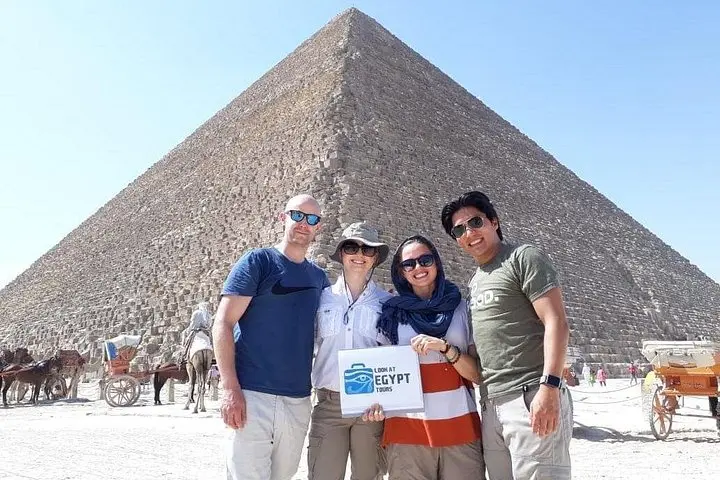
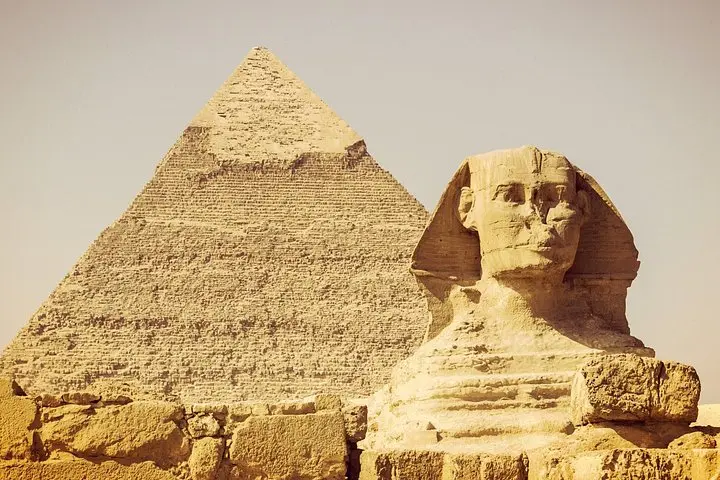
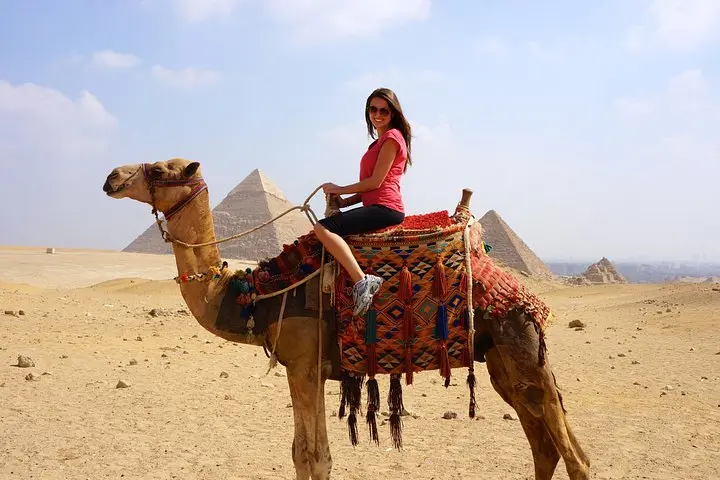
Morning light strips the desert of its cool and the Great Pyramid rises like an engineered cliff, its blocks catching the sun. You meet your Egyptologist at a hotel pickup in Cairo, then cross into the halo of stone and sand that has defined the Nile valley for millennia. A camel waits near the Sphinx, patient as an old guide, nudging you toward a low-slung horizon.
Verified experiences and guided adventures in the surrounding area.
Operated by Look at Egypt Tours · Giza, Giza Governorate
Morning light strips the desert of its cool and the Great Pyramid rises like an engineered cliff, its blocks catching the sun. You meet your Egyptologist at a hotel pickup in Cairo, then cross into the halo of stone and sand that has defined the Nile valley for millennia. A camel waits near the Sphinx, patient as an old guide, nudging you toward a low-slung horizon.
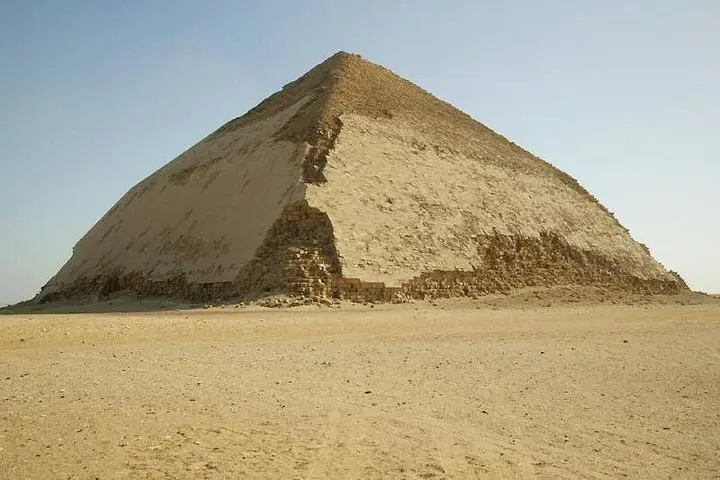
This route stitches together the Old Kingdom: the stepped ingenuity at Saqqara with Djoser’s Step Pyramid, the royal experimentation of Dahshur where the Bent and Red Pyramids reveal construction solutions, and Giza’s colossal trio crowned by the only remaining ancient wonder. Memphis, once Egypt’s capital, displays the reclining alabaster sphinx and a giant Ramses II statue — civic fragments of a civilization that centralized labor, astronomy, and funerary engineering.
Geology is visible in the stones themselves; Tura limestone casing once shone white, while locally quarried limestone and granite mark internal chambers. Cultural notes arrive in small details: hieroglyph layout, funerary goods, and the contemporary craft of carpet weaving often demonstrated at the day’s end.
Practical guidance: plan for a full nine-hour day, start early to avoid heat and crowds, carry 2 liters of water, and wear sturdy closed shoes for uneven stone and sand. If you want to enter pyramid chambers, notify your guide early; confined spaces and low ceilings can be strenuous. Bring sun protection, local currency for tips and small purchases, and a sense of patience for shared public sites.
Entry into certain pyramids is possible but limited; the tour can include interior access when available but note additional fees and tight, low tunnels.
A supervised short camel experience near the Giza plateau is included; camels are handled by local attendants and rides are typically gentle but not recommended for those with severe mobility issues.
Yes, lunch and hotel pickup/drop-off in Cairo or Giza are included as part of the private tour package.
The provider lists wheelchair-accessible transportation and some sites accessible, but many pyramid interiors and uneven archaeological areas are not suited for full wheelchair access; confirm specific needs at booking.
Look at Egypt Tours operates guided outdoor trips and adventures with an emphasis on safety, stewardship, and memorable experiences.
Morning light strips the desert of its cool and the Great Pyramid rises like an engineered cliff, its blocks catching the sun. You meet your Egyptologist at a hotel pickup in Cairo, then cross into the halo of stone and sand that has defined the Nile valley for millennia. A camel waits near the Sphinx, patient as an old guide, nudging you toward a low-slung horizon.
Morning light strips the desert of its cool and the Great Pyramid rises like an engineered cliff, its blocks catching the sun. You meet your Egyptologist at a hotel pickup in Cairo, then cross into the halo of stone and sand that has defined the Nile valley for millennia. A camel waits near the Sphinx, patient as an old guide, nudging you toward a low-slung horizon.
This route stitches together the Old Kingdom: the stepped ingenuity at Saqqara with Djoser’s Step Pyramid, the royal experimentation of Dahshur where the Bent and Red Pyramids reveal construction solutions, and Giza’s colossal trio crowned by the only remaining ancient wonder. Memphis, once Egypt’s capital, displays the reclining alabaster sphinx and a giant Ramses II statue — civic fragments of a civilization that centralized labor, astronomy, and funerary engineering.
Geology is visible in the stones themselves; Tura limestone casing once shone white, while locally quarried limestone and granite mark internal chambers. Cultural notes arrive in small details: hieroglyph layout, funerary goods, and the contemporary craft of carpet weaving often demonstrated at the day’s end.
Practical guidance: plan for a full nine-hour day, start early to avoid heat and crowds, carry 2 liters of water, and wear sturdy closed shoes for uneven stone and sand. If you want to enter pyramid chambers, notify your guide early; confined spaces and low ceilings can be strenuous. Bring sun protection, local currency for tips and small purchases, and a sense of patience for shared public sites.