THE ADVENTURE COLLECTIVE® · Independent discovery and booking for outdoor travel

Spend a full day traversing the Giza Plateau, Saqqara and Memphis with an expert Egyptologist — see the Great Pyramids, ride a camel for photos, visit the Step Pyramid of Djoser and view Ramses II’s statue. Practical tips on timing, footwear and site etiquette help you make the most of a long but accessible day.
Spend a full day traversing the Giza Plateau, Saqqara and Memphis with an expert Egyptologist — see the Great Pyramids, ride a camel for photos, visit the Step Pyramid of Djoser and view Ramses II’s statue. Practical tips on timing, footwear and site etiquette help you make the most of a long but accessible day.
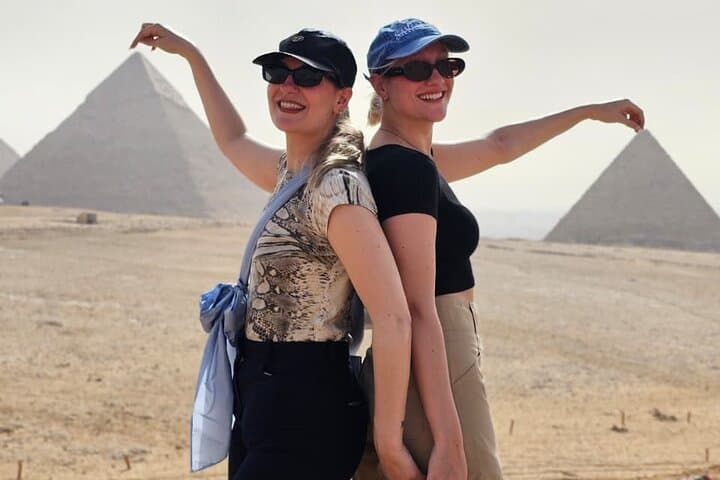
A low sun throws long shadows across the Giza Plateau as a private vehicle rolls up and a guide gestures toward three stone peaks rising from the sand. You step out on packed limestone, the wind carrying dry warmth and the distant calls of vendors; the Sphinx watches, impassive, as camels shuffle by and visitors gather their shots from the panoramic platform.
Verified experiences and guided adventures in the surrounding area.
Operated by Alma Egypt Tours · Giza, Cairo Governorate
A low sun throws long shadows across the Giza Plateau as a private vehicle rolls up and a guide gestures toward three stone peaks rising from the sand. You step out on packed limestone, the wind carrying dry warmth and the distant calls of vendors; the Sphinx watches, impassive, as camels shuffle by and visitors gather their shots from the panoramic platform.
This itinerary threads together three chapters of ancient Egypt: Giza’s monumental Old Kingdom tombs, the Valley Temple’s mortuary precinct and ritual spaces, Saqqara’s Step Pyramid of Djoser where stone architecture first evolved, and Memphis — the country’s first capital — home to colossal statuary such as Ramses II and the Alabaster Sphinx. Geology here is simple and stark: Eocene limestone underlies the plateau, quarried by pharaohs to build structures that have stood for millennia.
Practicalities are straightforward. Expect a 7–9 hour day with hotel pickup, an Egyptologist guide, bottled water, and a lunch option. Wear sturdy closed shoes for uneven flagstones, carry sun protection, and plan photos from the western panorama for the best alignment of all three pyramids. Camel rides are short, staged for photos — treat them as an experience, not transport, and listen to handlers for safety. Security checkpoints and ticketing at major sites mean arriving early keeps crowds manageable and temperatures cooler.
Respect barriers, avoid climbing monuments (illegal and damaging), and leave no trace: these ancient stones depend on considerate visitors to survive the next thousand years.
Admission is included only if you select the all-inclusive option; confirm at booking and keep extra local currency for optional sites like the Solar Boat Museum.
Camel rides offered at Giza are short, photo-focused experiences run by local handlers; they’re not long-distance transport and are booked on-site.
Yes — the tour notes stroller access and is family-friendly, but expect cobbled or sandy stretches that can be awkward with a stroller.
Entrance to the Great Pyramid interior requires a separate ticket and sometimes has limited availability; ask your guide in advance if you want to include an interior visit.
Alma Egypt Tours operates guided outdoor trips and adventures with an emphasis on safety, stewardship, and memorable experiences.



A low sun throws long shadows across the Giza Plateau as a private vehicle rolls up and a guide gestures toward three stone peaks rising from the sand. You step out on packed limestone, the wind carrying dry warmth and the distant calls of vendors; the Sphinx watches, impassive, as camels shuffle by and visitors gather their shots from the panoramic platform.
A low sun throws long shadows across the Giza Plateau as a private vehicle rolls up and a guide gestures toward three stone peaks rising from the sand. You step out on packed limestone, the wind carrying dry warmth and the distant calls of vendors; the Sphinx watches, impassive, as camels shuffle by and visitors gather their shots from the panoramic platform.
This itinerary threads together three chapters of ancient Egypt: Giza’s monumental Old Kingdom tombs, the Valley Temple’s mortuary precinct and ritual spaces, Saqqara’s Step Pyramid of Djoser where stone architecture first evolved, and Memphis — the country’s first capital — home to colossal statuary such as Ramses II and the Alabaster Sphinx. Geology here is simple and stark: Eocene limestone underlies the plateau, quarried by pharaohs to build structures that have stood for millennia.
Practicalities are straightforward. Expect a 7–9 hour day with hotel pickup, an Egyptologist guide, bottled water, and a lunch option. Wear sturdy closed shoes for uneven flagstones, carry sun protection, and plan photos from the western panorama for the best alignment of all three pyramids. Camel rides are short, staged for photos — treat them as an experience, not transport, and listen to handlers for safety. Security checkpoints and ticketing at major sites mean arriving early keeps crowds manageable and temperatures cooler.
Respect barriers, avoid climbing monuments (illegal and damaging), and leave no trace: these ancient stones depend on considerate visitors to survive the next thousand years.