THE ADVENTURE COLLECTIVE® · Independent discovery and booking for outdoor travel
Spend a full day tracing ancient Egypt’s monumental sweep: the Giza pyramids and Sphinx, the revolutionary Step Pyramid at Saqqara, and the ruins of Memphis, capped with a short camel ride across the plateau. Practical advice on timing, gear and etiquette helps you make the most of an eight-hour cultural loop from Cairo.
Spend a full day tracing ancient Egypt’s monumental sweep: the Giza pyramids and Sphinx, the revolutionary Step Pyramid at Saqqara, and the ruins of Memphis, capped with a short camel ride across the plateau. Practical advice on timing, gear and etiquette helps you make the most of an eight-hour cultural loop from Cairo.
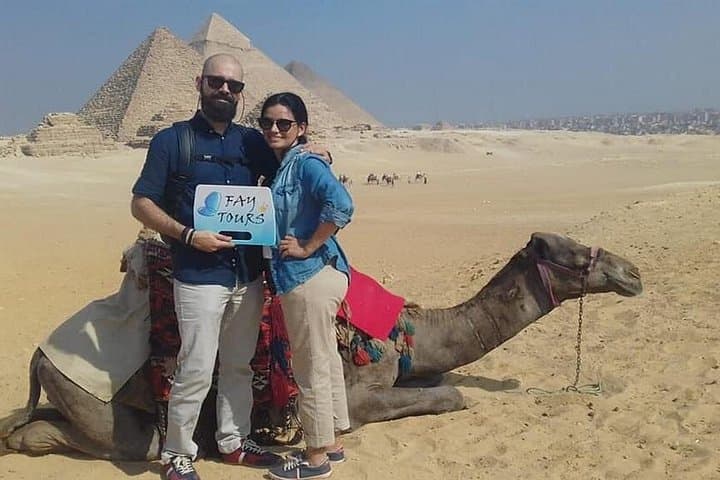
You arrive on the Giza Plateau as the city thins and the desert wind begins to shape the light—sand nudging the edges of an immaculately preserved skyline of stone. The three great pyramids rise with geometric clarity, and the Sphinx sits in patient watch, its face a weathered challenge that invites you closer.
Verified experiences and guided adventures in the surrounding area.
Operated by Fay Tours · Giza, Giza Governorate
You arrive on the Giza Plateau as the city thins and the desert wind begins to shape the light—sand nudging the edges of an immaculately preserved skyline of stone. The three great pyramids rise with geometric clarity, and the Sphinx sits in patient watch, its face a weathered challenge that invites you closer.
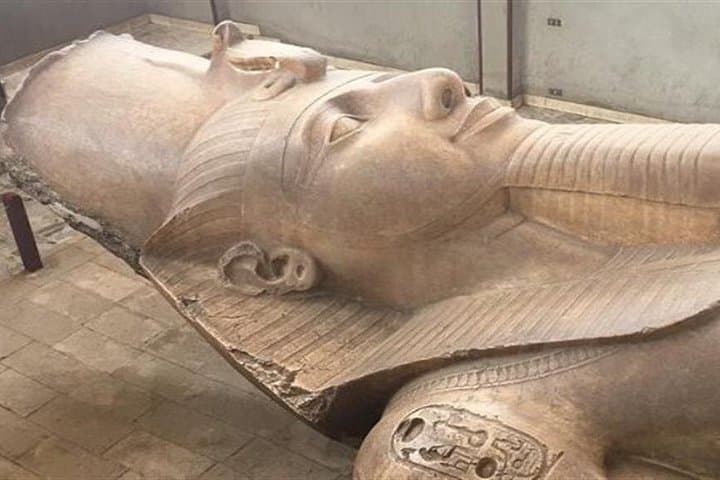
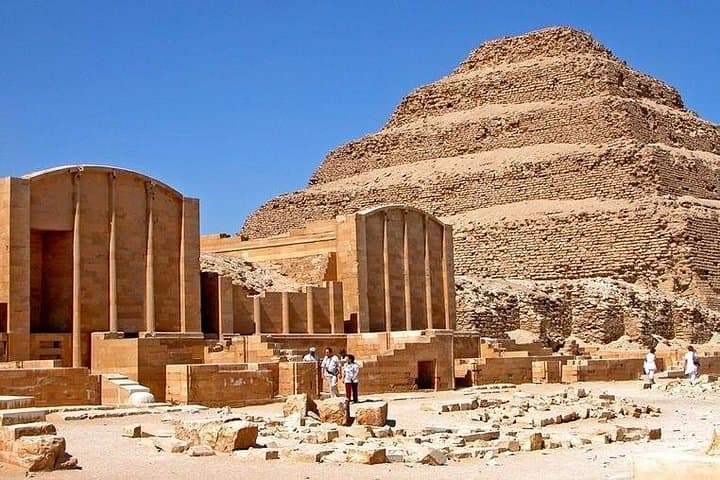
This looped day moves from the Old Kingdom grandeur at Giza—Khufu, Khafre and Menkaure and the Valley Temple—south to Saqqara, where Djoser’s Step Pyramid marks a decisive leap in funerary architecture. A short drive farther takes you to Memphis, the ancient capital of Lower Egypt, where colossal statues and an alabaster sphinx recall a city that once directed the Nile’s flow. Geology here is simple: limestone benches and wind-polished sandstone that made monumental stonework possible and preserved it in a dry climate.
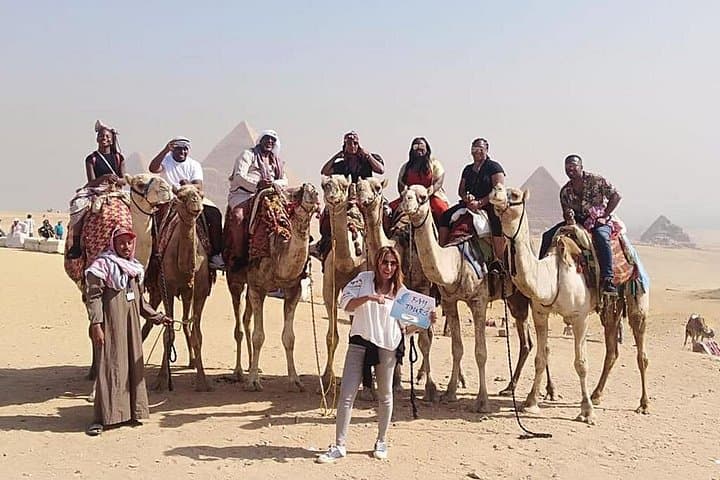
Expect an Egyptologist guide, an air-conditioned minivan shuttle between sites, a local lunch, and a short camel ride across the plateau—an earthy, deliberate counterpoint to the vistas of engineered precision. The tour runs about eight hours with hotel pickup around 8:00 a.m.; plan to start early to beat heat and crowds.
Practical edge: wear sturdy closed shoes for uneven stone, bring 2–3 L of water, sun protection, and a light layer for breezy mornings. Carry cash for tips and small purchases, and follow your guide’s route to minimize wear on delicate archaeological surfaces. Small choices—staying on marked paths, declining to touch carvings—keep these sites intact for the next traveler.
The full-day tour lasts about eight hours, typically with pickup around 8:00 a.m. and return to your hotel in the late afternoon.
Itineraries often include lunch and guided site visits; confirm with the operator whether entrance fees are included in your booking.
Yes—camel rides on organized tours are short and supervised by handlers; notify the guide if you have mobility concerns.
Photography is allowed at most outdoor sites; some interiors or museums may restrict flash or tripods—follow posted rules and your guide’s instructions.
Fay Tours operates guided outdoor trips and adventures with an emphasis on safety, stewardship, and memorable experiences.
You arrive on the Giza Plateau as the city thins and the desert wind begins to shape the light—sand nudging the edges of an immaculately preserved skyline of stone. The three great pyramids rise with geometric clarity, and the Sphinx sits in patient watch, its face a weathered challenge that invites you closer.
You arrive on the Giza Plateau as the city thins and the desert wind begins to shape the light—sand nudging the edges of an immaculately preserved skyline of stone. The three great pyramids rise with geometric clarity, and the Sphinx sits in patient watch, its face a weathered challenge that invites you closer.
This looped day moves from the Old Kingdom grandeur at Giza—Khufu, Khafre and Menkaure and the Valley Temple—south to Saqqara, where Djoser’s Step Pyramid marks a decisive leap in funerary architecture. A short drive farther takes you to Memphis, the ancient capital of Lower Egypt, where colossal statues and an alabaster sphinx recall a city that once directed the Nile’s flow. Geology here is simple: limestone benches and wind-polished sandstone that made monumental stonework possible and preserved it in a dry climate.
Expect an Egyptologist guide, an air-conditioned minivan shuttle between sites, a local lunch, and a short camel ride across the plateau—an earthy, deliberate counterpoint to the vistas of engineered precision. The tour runs about eight hours with hotel pickup around 8:00 a.m.; plan to start early to beat heat and crowds.
Practical edge: wear sturdy closed shoes for uneven stone, bring 2–3 L of water, sun protection, and a light layer for breezy mornings. Carry cash for tips and small purchases, and follow your guide’s route to minimize wear on delicate archaeological surfaces. Small choices—staying on marked paths, declining to touch carvings—keep these sites intact for the next traveler.
