THE ADVENTURE COLLECTIVE® · Independent discovery and booking for outdoor travel

Spend a day moving through three millennia of Egyptian history: Giza’s giants, Saqqara’s step pyramid, Dahshur’s experimental tombs and the ancient capital at Memphis. This private full-day tour pairs archaeology with practical logistics for a single, accessible excursion from Cairo.
Spend a day moving through three millennia of Egyptian history: Giza’s giants, Saqqara’s step pyramid, Dahshur’s experimental tombs and the ancient capital at Memphis. This private full-day tour pairs archaeology with practical logistics for a single, accessible excursion from Cairo.
A low, golden sun throws long shadows across limestone blocks as the tour van eases onto the plateau—Giza’s sweeping sands open like an ancient map. Visitors step out and the Great Pyramid looms, a silent, engineered mountain whose faces catch light and history in equal measure.
Verified experiences and guided adventures in the surrounding area.
Operated by Travel Village · Giza, Giza Governorate
A low, golden sun throws long shadows across limestone blocks as the tour van eases onto the plateau—Giza’s sweeping sands open like an ancient map. Visitors step out and the Great Pyramid looms, a silent, engineered mountain whose faces catch light and history in equal measure.
This full-day private circuit links the dynastic heart of Egypt: Giza’s monumental trio, Saqqara’s stepped tombs where Old Kingdom architects experimented with stone, Dahshur’s red and bent pyramids that reveal the learning curve of pyramid-building, and Memphis, once the capital, where colossi and ram-headed sphinxes recall imperial ceremony. Geologically the plateau is compacted Pliocene limestone; wind and sand continue the gradual work of reshaping faces and casing stones.
Culturally, expect street-level commerce—vendors, guide-led negotiations, and the hum of Cairene life filtered through desert air. The Egyptian Museum in Cairo (or the Grand Egyptian Museum when open) frames artifacts from these sites, contextualizing tomb construction, burial practice, and the politics of Pharaohs.
Practically: this is a long, mostly flat day with intermittent stairs and uneven archaeological surfaces. Wear sturdy, closed shoes, sun protection, and carry water; temperatures swing quickly, especially between shaded museum rooms and open desert. Photography is allowed in many outdoor areas but restricted inside certain museum halls—ask your guide. Timing matters: arrive early at Giza for cooler light and fewer crowds; leave midday for Saqqara and Dahshur when tour traffic is lighter.
The trip demands curiosity more than physical strain: bring patience, bargaining skills for local stalls, and a readiness to let stone and silence tell their stories.
Entrance tickets are required at Giza, Saqqara, Dahshur and museum sites; many tours advise buying on arrival or including tickets—confirm with your operator.
Yes; the tour is low-impact but includes walking on uneven surfaces—wheelchair access is limited at some outdoor ruins and should be discussed with the tour operator.
Access inside certain pyramids is limited and sometimes closed for conservation; entry may require additional tickets and involves narrow, steep passages.
Private tours commonly offer guides in English and other major languages—request language needs when booking to ensure availability.
Travel Village operates guided outdoor trips and adventures with an emphasis on safety, stewardship, and memorable experiences.
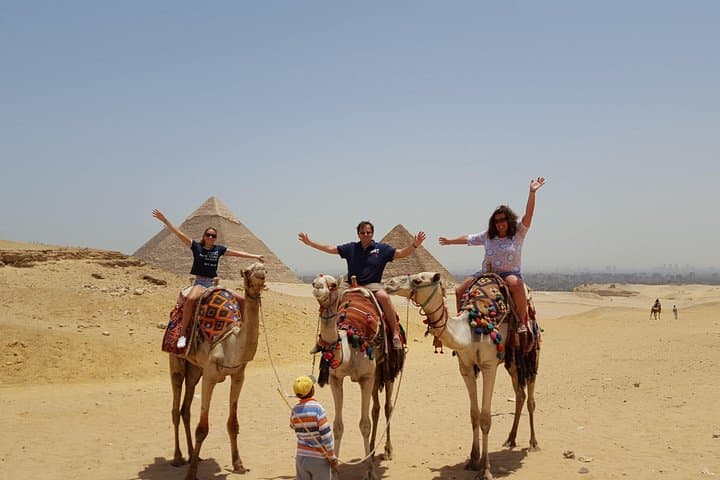
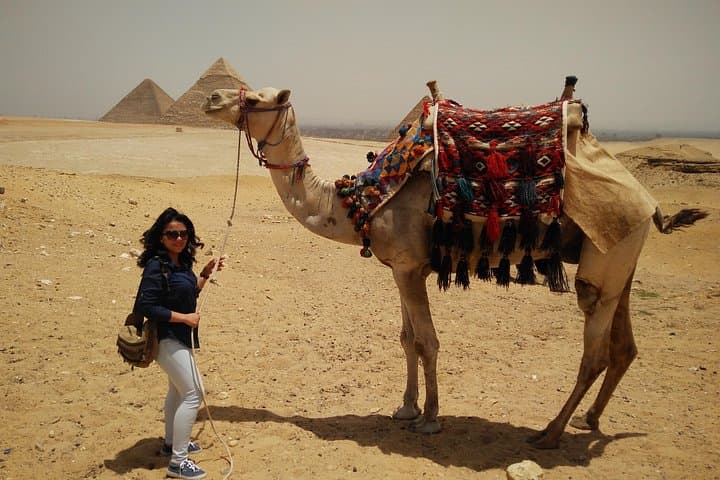
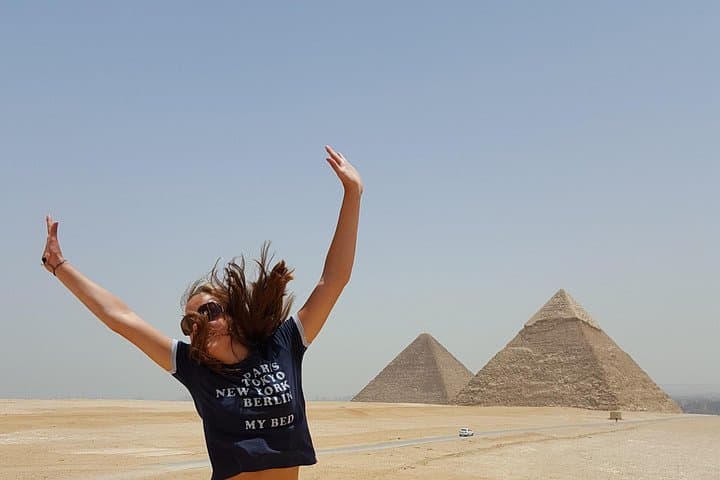

A low, golden sun throws long shadows across limestone blocks as the tour van eases onto the plateau—Giza’s sweeping sands open like an ancient map. Visitors step out and the Great Pyramid looms, a silent, engineered mountain whose faces catch light and history in equal measure.
A low, golden sun throws long shadows across limestone blocks as the tour van eases onto the plateau—Giza’s sweeping sands open like an ancient map. Visitors step out and the Great Pyramid looms, a silent, engineered mountain whose faces catch light and history in equal measure.
This full-day private circuit links the dynastic heart of Egypt: Giza’s monumental trio, Saqqara’s stepped tombs where Old Kingdom architects experimented with stone, Dahshur’s red and bent pyramids that reveal the learning curve of pyramid-building, and Memphis, once the capital, where colossi and ram-headed sphinxes recall imperial ceremony. Geologically the plateau is compacted Pliocene limestone; wind and sand continue the gradual work of reshaping faces and casing stones.
Culturally, expect street-level commerce—vendors, guide-led negotiations, and the hum of Cairene life filtered through desert air. The Egyptian Museum in Cairo (or the Grand Egyptian Museum when open) frames artifacts from these sites, contextualizing tomb construction, burial practice, and the politics of Pharaohs.
Practically: this is a long, mostly flat day with intermittent stairs and uneven archaeological surfaces. Wear sturdy, closed shoes, sun protection, and carry water; temperatures swing quickly, especially between shaded museum rooms and open desert. Photography is allowed in many outdoor areas but restricted inside certain museum halls—ask your guide. Timing matters: arrive early at Giza for cooler light and fewer crowds; leave midday for Saqqara and Dahshur when tour traffic is lighter.
The trip demands curiosity more than physical strain: bring patience, bargaining skills for local stalls, and a readiness to let stone and silence tell their stories.