THE ADVENTURE COLLECTIVE® · Independent discovery and booking for outdoor travel

A compact full-day exploration that pairs the Giza pyramids and Sphinx with Saqqara’s Step Pyramid and Dahshur’s Red and Bent Pyramids. Expect short desert drives, optional camel or ATV segments, and close-up encounters with Egypt’s earliest monumental stonework.
A compact full-day exploration that pairs the Giza pyramids and Sphinx with Saqqara’s Step Pyramid and Dahshur’s Red and Bent Pyramids. Expect short desert drives, optional camel or ATV segments, and close-up encounters with Egypt’s earliest monumental stonework.
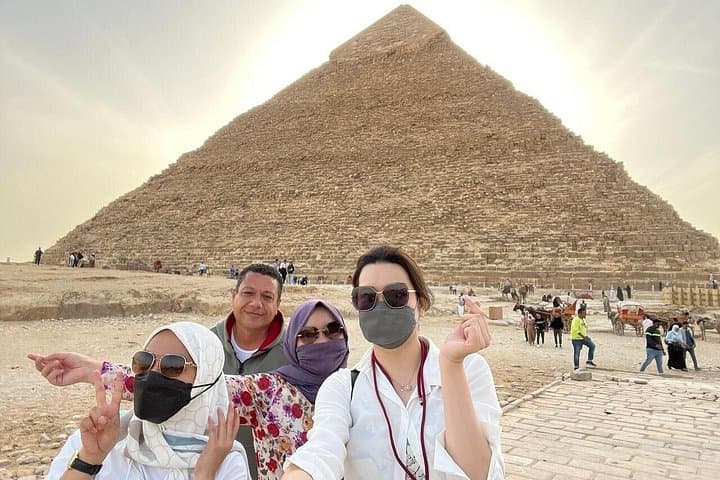
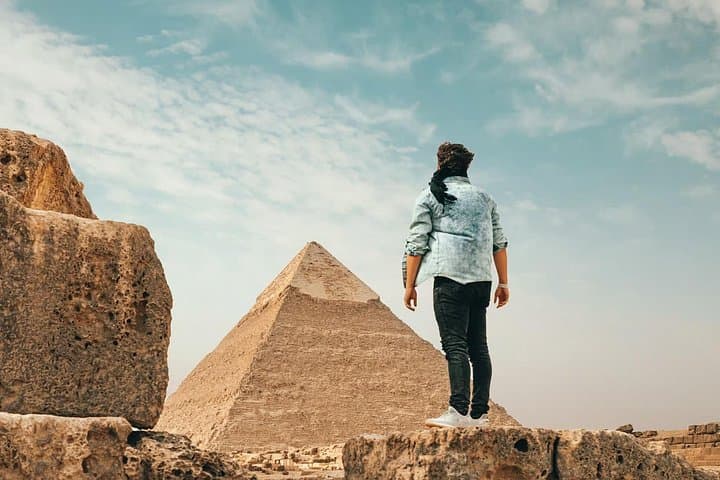
Stepping onto the Giza Plateau, the air shifts—heat rising from stone and sand, wind sketching lines across the desert. Three pyramids cut profiles against the sky while the Sphinx sits watchful, its eroded face a mute conversation between millennia and the present.
Verified experiences and guided adventures in the surrounding area.
Operated by Egypt Best Holidays · Giza, Giza Governorate
Stepping onto the Giza Plateau, the air shifts—heat rising from stone and sand, wind sketching lines across the desert. Three pyramids cut profiles against the sky while the Sphinx sits watchful, its eroded face a mute conversation between millennia and the present.
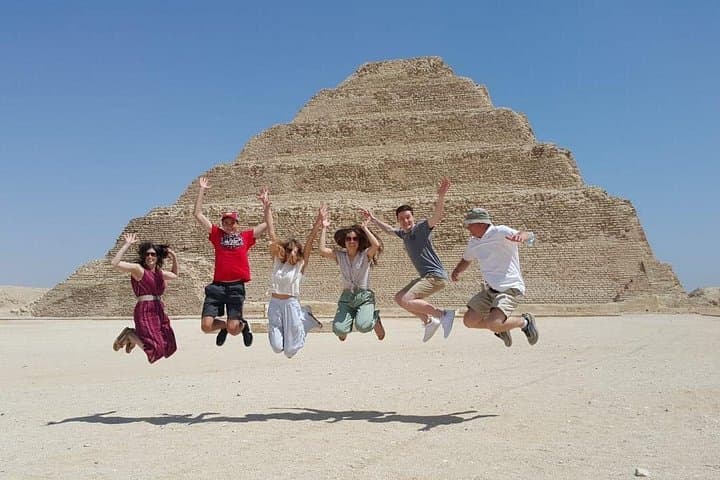
This full-day route threads three major necropoleis: Giza’s Fourth Dynasty giants, Saqqara’s Step Pyramid of Djoser—Egypt’s first large stone complex—and Dahshur’s experimental forms from Snefru, including the bent and the first true “red” pyramid. Geologically, you move from limestone outcrops on Giza into broader sandy plains; the bedrock quarried here became the monuments themselves. Culturally, these sites chart the evolution of royal funerary architecture and the administrative systems that fed it.
Expect short drives (30–60 minutes) between stops, moderate walking over paved causeways and loose sand, and photo opportunities around every corner. The ATV or camel segments put you into the fringe desert where wind and light sharpen the monuments’ silhouettes and offer low, wide perspectives uncommon from the formal viewing platforms.
Practical guidance: start early to avoid the midday heat, carry 2–3 liters of water, wear sun-protective layers and sturdy shoes for both hard stone and sandy patches. Bring local currency for optional entry to inner chambers and for tips. If you plan to enter pyramids or tombs, check current ticket rules—some chambers close periodically for conservation.
This itinerary balances big-name spectacle with quieter archaeology; move deliberately, respect marked paths, and the place rewards careful attention with a direct sense of how ancient ambition reshaped an unforgiving landscape.
Inner-chamber access requires separate tickets and availability varies; check in advance with your operator and arrive early for limited-entry options.
Options vary by booking—camel rides and quad-bike excursions are often included depending on the chosen package, but confirm what’s covered before departure.
The tour involves walking on uneven surfaces and short vehicle transfers; children can participate, but those with limited mobility may find some areas difficult—ask about private vehicle drop-offs to reduce walking.
Carry Egyptian pounds for small purchases and tips; tipping guides, drivers, and camel handlers is customary—small amounts per service are appropriate.
Egypt Best Holidays operates guided outdoor trips and adventures with an emphasis on safety, stewardship, and memorable experiences.

Stepping onto the Giza Plateau, the air shifts—heat rising from stone and sand, wind sketching lines across the desert. Three pyramids cut profiles against the sky while the Sphinx sits watchful, its eroded face a mute conversation between millennia and the present.
Stepping onto the Giza Plateau, the air shifts—heat rising from stone and sand, wind sketching lines across the desert. Three pyramids cut profiles against the sky while the Sphinx sits watchful, its eroded face a mute conversation between millennia and the present.
This full-day route threads three major necropoleis: Giza’s Fourth Dynasty giants, Saqqara’s Step Pyramid of Djoser—Egypt’s first large stone complex—and Dahshur’s experimental forms from Snefru, including the bent and the first true “red” pyramid. Geologically, you move from limestone outcrops on Giza into broader sandy plains; the bedrock quarried here became the monuments themselves. Culturally, these sites chart the evolution of royal funerary architecture and the administrative systems that fed it.
Expect short drives (30–60 minutes) between stops, moderate walking over paved causeways and loose sand, and photo opportunities around every corner. The ATV or camel segments put you into the fringe desert where wind and light sharpen the monuments’ silhouettes and offer low, wide perspectives uncommon from the formal viewing platforms.
Practical guidance: start early to avoid the midday heat, carry 2–3 liters of water, wear sun-protective layers and sturdy shoes for both hard stone and sandy patches. Bring local currency for optional entry to inner chambers and for tips. If you plan to enter pyramids or tombs, check current ticket rules—some chambers close periodically for conservation.
This itinerary balances big-name spectacle with quieter archaeology; move deliberately, respect marked paths, and the place rewards careful attention with a direct sense of how ancient ambition reshaped an unforgiving landscape.