THE ADVENTURE COLLECTIVE® · Independent discovery and booking for outdoor travel

Skip the parking and the lines and let a local driver deliver you to the South Rim’s best viewpoints, artisan stops, and a century-old trading post. This full-day outing from Williams pairs easy rim walks and dramatic panoramas with practical logistics and cultural stops.
Skip the parking and the lines and let a local driver deliver you to the South Rim’s best viewpoints, artisan stops, and a century-old trading post. This full-day outing from Williams pairs easy rim walks and dramatic panoramas with practical logistics and cultural stops.
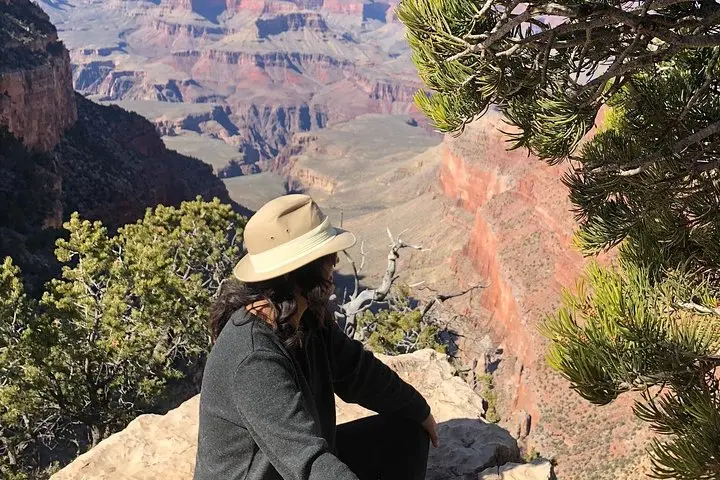
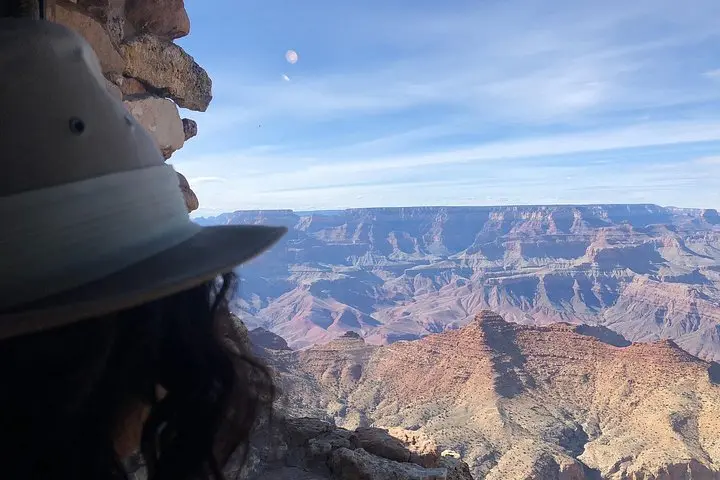
The highway thins to a whisper as you climb out of pine-dusted Williams and the horizon rips open: a canyon carved in layers of time, every ledge a page from earth’s autobiography. By mid-morning the bus eases into pullouts where the rim drops away in a breathless arc. You step out and the air—thin, dry, and clear—seems to push your vision farther than you thought possible. Cameras come up, but still everyone lingers, palms pressed to rails, letting the scale sink in.
Verified experiences and guided adventures in the surrounding area.
Operated by Jason · Grand Canyon Village, Arizona
The highway thins to a whisper as you climb out of pine-dusted Williams and the horizon rips open: a canyon carved in layers of time, every ledge a page from earth’s autobiography. By mid-morning the bus eases into pullouts where the rim drops away in a breathless arc. You step out and the air—thin, dry, and clear—seems to push your vision farther than you thought possible. Cameras come up, but still everyone lingers, palms pressed to rails, letting the scale sink in.
This full-day loop along the South Rim rolls through a compact itinerary geared for first-time visitors and photo-minded travelers. Stops include Maricopa Point for a sweeping 180-degree vista, the interpretive Verkamp’s Visitor Center where early trading post history mixes with park exhibits, and several lesser-known pullouts—Pipe Creek Vista and an informal "Duck on a Rock" outlook—each with a different angle on the canyon’s color bands and buttes.
Geology reads like a cross-section of deep time: horizontal layers of limestone, sandstone and shale laid down across 500 million years, then uplifted and gouged by the Colorado River. The South Rim sits around 7,000 ft (2,100 m), so the light at sunrise and late afternoon sculpts cliffs into dramatic contrasts. Culturally, this land is ancestral territory for Hopi, Navajo and Havasupai peoples; the tour includes a stop with Native artisans, offering insight into traditional jewelry-making and trading-post culture that shaped early commerce at the rim.
Practical notes are straightforward. The trip is 7–8 hours door-to-door from Williams, with private transportation, snacks, and a deli-style lunch included. Walks at overlooks are short—typically under half a mile round trip—but surfaces range from paved paths to uneven rock and compacted dirt. Group size is capped (around 14 people), so you trade large-visitor chaos for curated stops and time to photograph.
Plan for sun and elevation: bring a refillable water bottle, sun protection, and layers for wind and shade. Mobility is generally easy—this tour suits most fitness levels—but individuals sensitive to altitude should take it slow and hydrate. Leave time at the trading post stop for authentic Hopi, Zuni, and Navajo pieces—this is one of the few chances to buy from local artists without wandering the park on your own.
Whether you’re chasing sunrise light, framing a river bend for the gram, or listening to a local maker describe silverwork passed through generations, the trip is built to make the canyon readable—and to make sure you get home with both photos and a deeper sense of why the South Rim remains a place people keep coming back to.
The tour operator handles parking and logistics; confirm at booking whether the Grand Canyon entrance fee is included or paid on arrival.
Most stops involve short walks under 0.5 mile on mixed terrain—paved rim trails and compacted dirt. No long hikes are required.
Restrooms are available at visitor centers and major pullouts; buses generally stop at facilities during the day.
Yes—there’s a scheduled stop at a 100+ year trading post where Hopi, Zuni and Navajo pieces are sold by local artists; bring small bills and allow time for browsing.
The operator notes stroller access and infant seats; paths at viewpoints vary, so very young children may need help on uneven sections.
The tour may cancel for severe weather; check the 24-hour cancellation policy for full-refund terms if the operator cancels due to conditions.
Jason operates guided outdoor trips and adventures with an emphasis on safety, stewardship, and memorable experiences.

The highway thins to a whisper as you climb out of pine-dusted Williams and the horizon rips open: a canyon carved in layers of time, every ledge a page from earth’s autobiography. By mid-morning the bus eases into pullouts where the rim drops away in a breathless arc. You step out and the air—thin, dry, and clear—seems to push your vision farther than you thought possible. Cameras come up, but still everyone lingers, palms pressed to rails, letting the scale sink in.
The highway thins to a whisper as you climb out of pine-dusted Williams and the horizon rips open: a canyon carved in layers of time, every ledge a page from earth’s autobiography. By mid-morning the bus eases into pullouts where the rim drops away in a breathless arc. You step out and the air—thin, dry, and clear—seems to push your vision farther than you thought possible. Cameras come up, but still everyone lingers, palms pressed to rails, letting the scale sink in.
This full-day loop along the South Rim rolls through a compact itinerary geared for first-time visitors and photo-minded travelers. Stops include Maricopa Point for a sweeping 180-degree vista, the interpretive Verkamp’s Visitor Center where early trading post history mixes with park exhibits, and several lesser-known pullouts—Pipe Creek Vista and an informal "Duck on a Rock" outlook—each with a different angle on the canyon’s color bands and buttes.
Geology reads like a cross-section of deep time: horizontal layers of limestone, sandstone and shale laid down across 500 million years, then uplifted and gouged by the Colorado River. The South Rim sits around 7,000 ft (2,100 m), so the light at sunrise and late afternoon sculpts cliffs into dramatic contrasts. Culturally, this land is ancestral territory for Hopi, Navajo and Havasupai peoples; the tour includes a stop with Native artisans, offering insight into traditional jewelry-making and trading-post culture that shaped early commerce at the rim.
Practical notes are straightforward. The trip is 7–8 hours door-to-door from Williams, with private transportation, snacks, and a deli-style lunch included. Walks at overlooks are short—typically under half a mile round trip—but surfaces range from paved paths to uneven rock and compacted dirt. Group size is capped (around 14 people), so you trade large-visitor chaos for curated stops and time to photograph.
Plan for sun and elevation: bring a refillable water bottle, sun protection, and layers for wind and shade. Mobility is generally easy—this tour suits most fitness levels—but individuals sensitive to altitude should take it slow and hydrate. Leave time at the trading post stop for authentic Hopi, Zuni, and Navajo pieces—this is one of the few chances to buy from local artists without wandering the park on your own.
Whether you’re chasing sunrise light, framing a river bend for the gram, or listening to a local maker describe silverwork passed through generations, the trip is built to make the canyon readable—and to make sure you get home with both photos and a deeper sense of why the South Rim remains a place people keep coming back to.