THE ADVENTURE COLLECTIVE® · Independent discovery and booking for outdoor travel

Explore Fez el-Bali on a full-day guided walking tour that navigates medieval alleys, rooftop viewpoints and the historic tanneries. This six-hour cultural route pairs local knowledge with practical pacing for travelers ready to walk the old city.
Explore Fez el-Bali on a full-day guided walking tour that navigates medieval alleys, rooftop viewpoints and the historic tanneries. This six-hour cultural route pairs local knowledge with practical pacing for travelers ready to walk the old city.
You step up from the sun-worn lane and into a maze where stone walls fold into shadowed alleys, the tang of leather and spice riding the air like a dare. A local guide threads the group through Fez el-Bali, pointing out the golden gate of the Royal Palace, the carved woodwork of Nejjarine, and terraces that look down on the famous tanneries — ancient vats of color that still follow medieval processes.
Verified experiences and guided adventures in the surrounding area.
Operated by Fes Food Tours · Fez, Fès-Meknès
You step up from the sun-worn lane and into a maze where stone walls fold into shadowed alleys, the tang of leather and spice riding the air like a dare. A local guide threads the group through Fez el-Bali, pointing out the golden gate of the Royal Palace, the carved woodwork of Nejjarine, and terraces that look down on the famous tanneries — ancient vats of color that still follow medieval processes.
Fez grew around two 9th-century settlements and houses the world’s oldest continuously operating university, founded by Fatima al-Fihri in 859. The medina is UNESCO-listed: its narrow, car-free streets preserve urban patterns and crafts that shaped Morocco’s cultural heart. Geology matters here too — the city perches on a plateau whose red-brown limestones and clay soils fed the kilns and dye pits that made Fez a production hub.
Expect close-quarters walking on uneven flagstone, intermittent stairs, and crowded souks where trades like metalworking and pottery remain visible. The guide’s knowledge opens doors — literal and historic — to wood workshops, a textiles cooperative, and viewpoints overlooking the vats.
Practical edge: bring a sturdy pair of walking shoes, carry water and a small daypack, and plan for six hours with stops. Photography at the tanneries is common but follow the guide’s advice on angles and local sensitivities; a small tip for cooperative artisans is customary. Morning light is best in the tannery and Najjarine areas; late afternoon cools the alleys and eases walking. This is a cultural walking tour with tangible history, sensory intensity, and an active pace — rewarding for curious, moderately fit travelers.
The tour runs about six hours total with several hours of walking through the medina on uneven streets and some stair sections; expect a steady, moderate pace.
Tanneries have strong natural odors due to traditional dye and tanning processes; photography is allowed but be respectful and follow your guide’s instructions—locals may appreciate a quick request before shooting.
Children can join but must be accompanied by an adult; the medina’s narrow streets and stairs make it challenging for those with limited mobility—discuss accessibility needs with the operator in advance.
Tours are typically led in English; tipping guides and drivers is customary in Morocco—small gratuities for good service are appreciated.
Fes Food Tours operates guided outdoor trips and adventures with an emphasis on safety, stewardship, and memorable experiences.
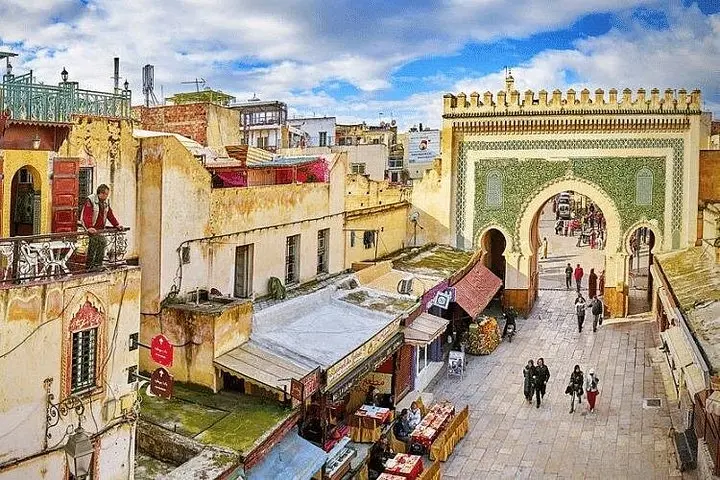
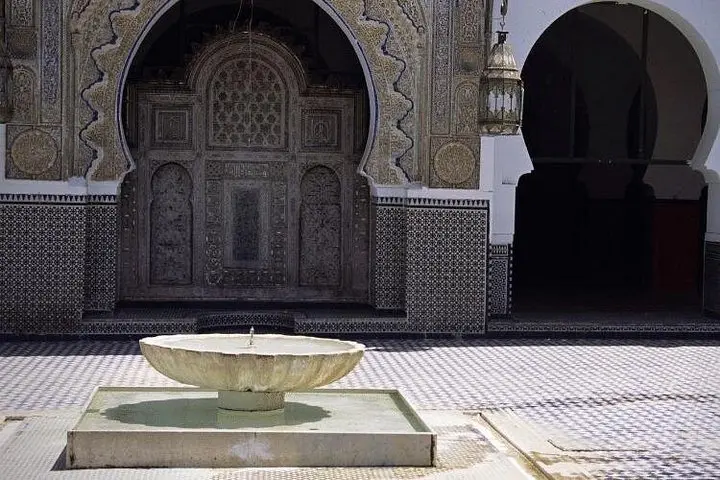
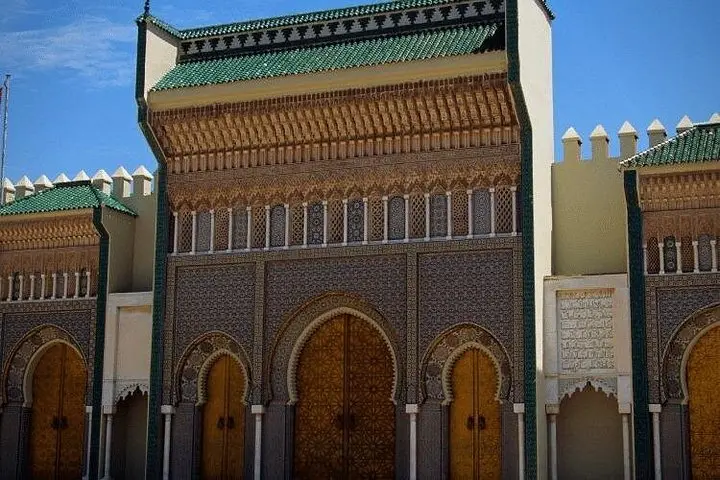
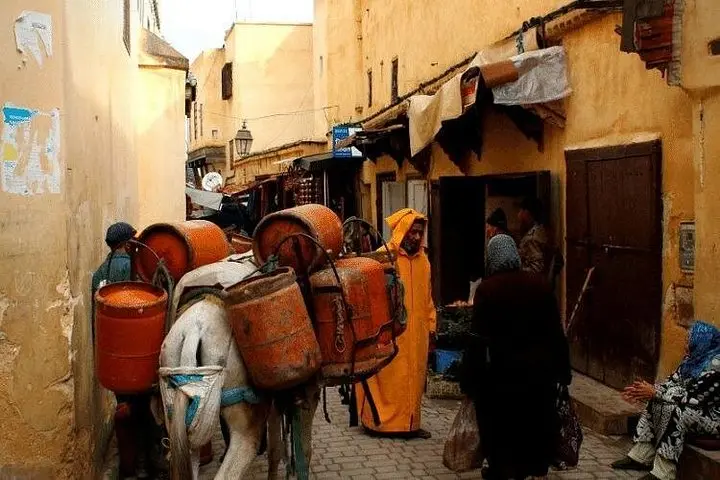
You step up from the sun-worn lane and into a maze where stone walls fold into shadowed alleys, the tang of leather and spice riding the air like a dare. A local guide threads the group through Fez el-Bali, pointing out the golden gate of the Royal Palace, the carved woodwork of Nejjarine, and terraces that look down on the famous tanneries — ancient vats of color that still follow medieval processes.
You step up from the sun-worn lane and into a maze where stone walls fold into shadowed alleys, the tang of leather and spice riding the air like a dare. A local guide threads the group through Fez el-Bali, pointing out the golden gate of the Royal Palace, the carved woodwork of Nejjarine, and terraces that look down on the famous tanneries — ancient vats of color that still follow medieval processes.
Fez grew around two 9th-century settlements and houses the world’s oldest continuously operating university, founded by Fatima al-Fihri in 859. The medina is UNESCO-listed: its narrow, car-free streets preserve urban patterns and crafts that shaped Morocco’s cultural heart. Geology matters here too — the city perches on a plateau whose red-brown limestones and clay soils fed the kilns and dye pits that made Fez a production hub.
Expect close-quarters walking on uneven flagstone, intermittent stairs, and crowded souks where trades like metalworking and pottery remain visible. The guide’s knowledge opens doors — literal and historic — to wood workshops, a textiles cooperative, and viewpoints overlooking the vats.
Practical edge: bring a sturdy pair of walking shoes, carry water and a small daypack, and plan for six hours with stops. Photography at the tanneries is common but follow the guide’s advice on angles and local sensitivities; a small tip for cooperative artisans is customary. Morning light is best in the tannery and Najjarine areas; late afternoon cools the alleys and eases walking. This is a cultural walking tour with tangible history, sensory intensity, and an active pace — rewarding for curious, moderately fit travelers.