THE ADVENTURE COLLECTIVE® · Independent discovery and booking for outdoor travel

Ride a funicular into a cedar-shaded plateau and move from lively Osaka into the quietude of Kōyasan. This full-day guided tour links Danjō Garan, Kongōbu-ji and Oku-no-in with local history and practical route guidance.
Ride a funicular into a cedar-shaded plateau and move from lively Osaka into the quietude of Kōyasan. This full-day guided tour links Danjō Garan, Kongōbu-ji and Oku-no-in with local history and practical route guidance.
The train rips you out of Osaka’s bustle and into a thinning of air and sound as the valley tightens. After a short funicular climb, a massive wooden gateway — the Daimon — marks a change in rhythm: temples, stone lanterns and pine-lined lanes that push you toward quieter, older time.
Verified experiences and guided adventures in the surrounding area.
Operated by Nara Guide · Koya, Wakayama Prefecture
The train rips you out of Osaka’s bustle and into a thinning of air and sound as the valley tightens. After a short funicular climb, a massive wooden gateway — the Daimon — marks a change in rhythm: temples, stone lanterns and pine-lined lanes that push you toward quieter, older time.
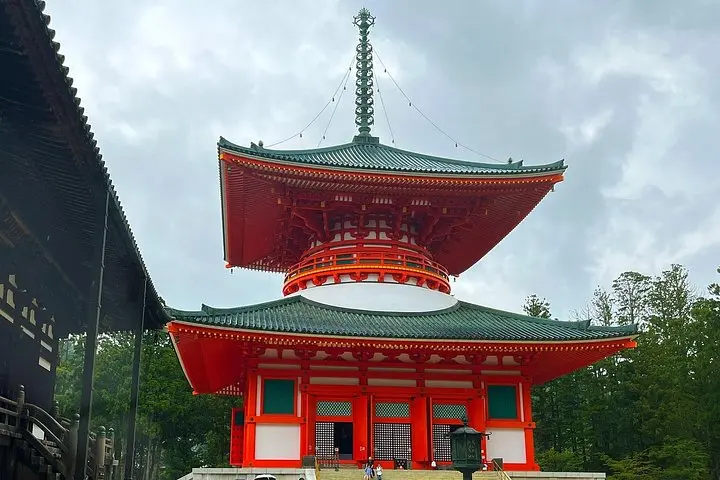
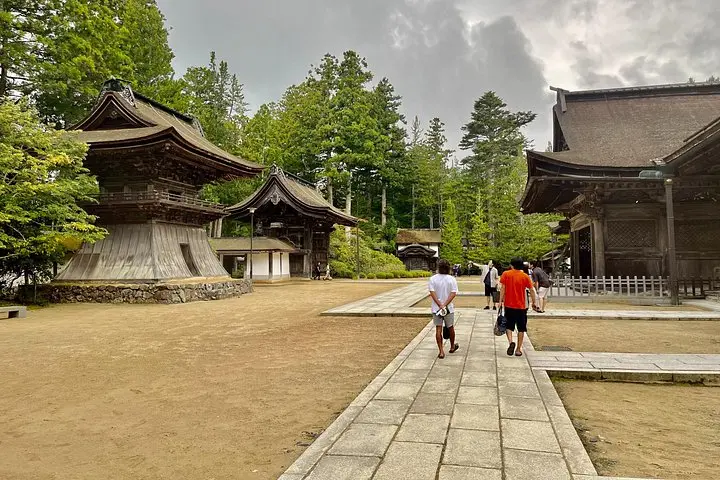
Kōyasan is the religious heart of Shingon Buddhism since the ninth century. Geologically it sits on a raised plateau in Wakayama, a mossy basin of weathered granite and volcanic soils that hold centuries of cedar growth and stonework. Danjō Garan and Kongōbu-ji show layered history: a ninth-century monastic plan, later reconstruction under Toyotomi Hideyoshi, and living temple practices that still govern parts of local life.
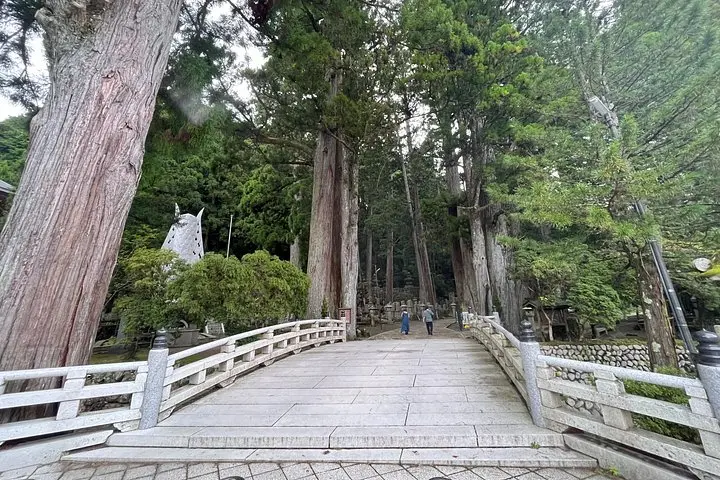
You’ll walk through courtyards and along cedar avenues to Oku-no-in, a vast cemetery focused on the mausoleum of Kōbō Daishi; the air there feels purposeful, like a place arranged around remembrance.
Practical side: the day uses trains, a short funicular and walking—expect paved roads, stepped temple entries and some uneven stone paths. Keep modest clothing for temple interiors, and allow 6–8 hours including travel from Namba. Hydrate on the move, carry small change for mosque-style tea houses and temple donations, and follow your guide for photography rules inside sacred buildings. Timing your visit outside peak cherry- or autumn-leaf weekends gives more breathing room among the graves and prayer halls.
The tour departs from Nankai Namba; travel is by train and funicular to Kōyasan, included or arranged by the guide.
Some temple grounds have steps and uneven stone; while main approaches and some facilities are accessible, many inner areas and Oku-no-in paths are not fully wheelchair-friendly.
Lunch and certain entrance fees are typically covered as noted by the operator; confirm dietary needs when booking.
Photography rules vary—most temple interiors restrict photos; your guide will point out where photography is permitted.
Nara Guide operates guided outdoor trips and adventures with an emphasis on safety, stewardship, and memorable experiences.
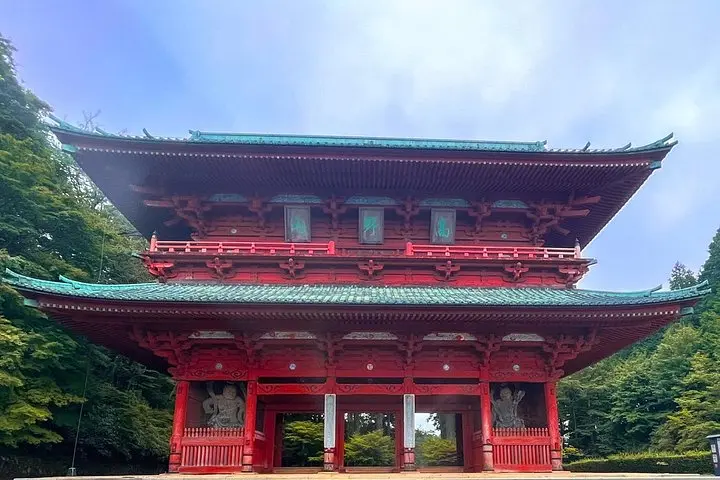
The train rips you out of Osaka’s bustle and into a thinning of air and sound as the valley tightens. After a short funicular climb, a massive wooden gateway — the Daimon — marks a change in rhythm: temples, stone lanterns and pine-lined lanes that push you toward quieter, older time.
The train rips you out of Osaka’s bustle and into a thinning of air and sound as the valley tightens. After a short funicular climb, a massive wooden gateway — the Daimon — marks a change in rhythm: temples, stone lanterns and pine-lined lanes that push you toward quieter, older time.
Kōyasan is the religious heart of Shingon Buddhism since the ninth century. Geologically it sits on a raised plateau in Wakayama, a mossy basin of weathered granite and volcanic soils that hold centuries of cedar growth and stonework. Danjō Garan and Kongōbu-ji show layered history: a ninth-century monastic plan, later reconstruction under Toyotomi Hideyoshi, and living temple practices that still govern parts of local life.
You’ll walk through courtyards and along cedar avenues to Oku-no-in, a vast cemetery focused on the mausoleum of Kōbō Daishi; the air there feels purposeful, like a place arranged around remembrance.
Practical side: the day uses trains, a short funicular and walking—expect paved roads, stepped temple entries and some uneven stone paths. Keep modest clothing for temple interiors, and allow 6–8 hours including travel from Namba. Hydrate on the move, carry small change for mosque-style tea houses and temple donations, and follow your guide for photography rules inside sacred buildings. Timing your visit outside peak cherry- or autumn-leaf weekends gives more breathing room among the graves and prayer halls.