THE ADVENTURE COLLECTIVE® · Independent discovery and booking for outdoor travel

Spend a full day crossing Hakone’s volcanic ridges by ropeway, cruising Lake Ashi, and finishing in a restorative onsen. This guided tour mixes dramatic geology with cultural touches—black eggs at Owakudani and centuries-old hot-spring tradition.
Spend a full day crossing Hakone’s volcanic ridges by ropeway, cruising Lake Ashi, and finishing in a restorative onsen. This guided tour mixes dramatic geology with cultural touches—black eggs at Owakudani and centuries-old hot-spring tradition.
You step off the Shinkansen into a cooler wind and the scent of cedar—within two hours the city’s noise is replaced by a ropeway that lifts you over pines and the steam-plumed crater of Owakudani. Below, the pale surface of a volcanic valley hisses; across the horizon, Mt. Fuji waits for clear weather to reveal its cone. A pirate ship carves a slow line across Lake Ashi, and by afternoon a warm onsen soaks into tired muscles.
Verified experiences and guided adventures in the surrounding area.
Operated by 高橋りえ子 · Hakone, Kanagawa
You step off the Shinkansen into a cooler wind and the scent of cedar—within two hours the city’s noise is replaced by a ropeway that lifts you over pines and the steam-plumed crater of Owakudani. Below, the pale surface of a volcanic valley hisses; across the horizon, Mt. Fuji waits for clear weather to reveal its cone. A pirate ship carves a slow line across Lake Ashi, and by afternoon a warm onsen soaks into tired muscles.
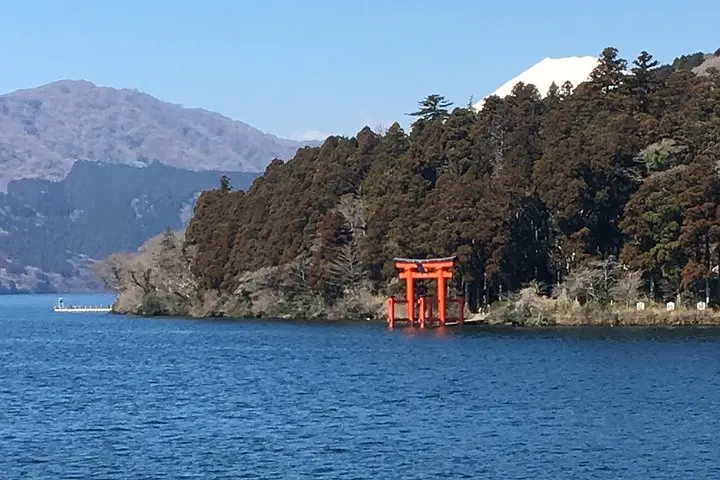
Hakone’s story is written in fire and travel. The caldera created by ancient eruptions left fumaroles and hot springs that have drawn visitors for centuries; the area was also a strategic post on the old Tokaido road. Geology is on display at Owakudani—sulfur vents and black egg lore—and the glacial-carved Lake Ashi reflects volcanic ridgelines and, on lucky days, Fuji.
Expect a mix of gentle walks, short climbs, and boardwalks around geothermal sites; some sections are uneven and edged in sulfur-smelling steam. The itinerary commonly includes a ropeway, lakeside cruise, and a public or private onsen—ask ahead if you need a private bath. Carry a mask for strong fumes, wear sturdy shoes for mixed terrain, and plan for rapidly changing weather at higher elevations. Morning light is best for Fuji views; late afternoon is when onsen water feels most restorative. Bring modesty and hygiene supplies for bathing, and leave time to wander small museums or tea shops near the port. This is a full-day, sensory trip that pairs easy sightseeing with clear practicalities: respect hot-spring etiquette, monitor air quality at fumaroles, and keep a relaxed pace to enjoy both views and soak.
The excursion is approximately 9 hours and typically includes Shinkansen transfer arrangements, ropeway and boat viewpoints, guide services, and assistance with Hakone Free Pass transport—admissions may vary, so confirm prior to booking.
Fumarole areas are generally accessible but emit strong sulfur gases; children and pregnant travelers should avoid prolonged exposure and follow guide advice regarding proximity to vents.
No — the cruise is a seated sightseeing boat; standard safety measures are in place and life jackets are available on board.
Yes — many operators can arrange a private bath if requested in advance; notify the guide when booking to secure availability.
高橋りえ子 operates guided outdoor trips and adventures with an emphasis on safety, stewardship, and memorable experiences.
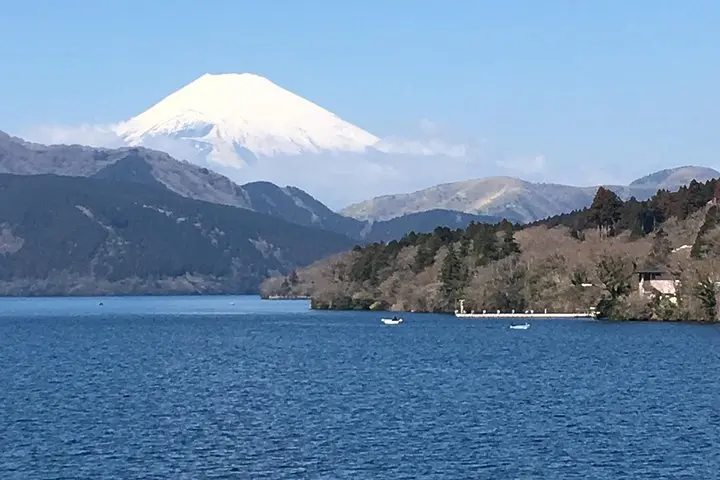
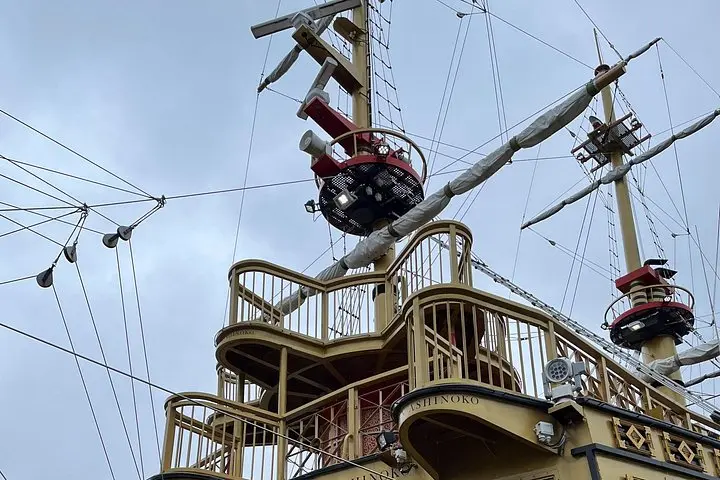
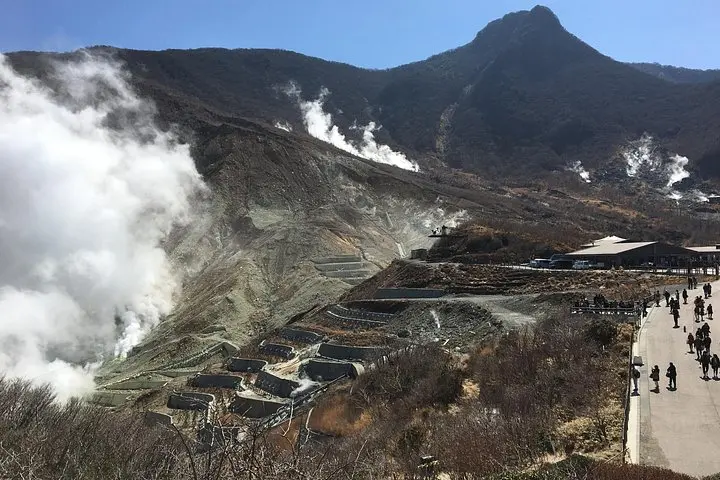
You step off the Shinkansen into a cooler wind and the scent of cedar—within two hours the city’s noise is replaced by a ropeway that lifts you over pines and the steam-plumed crater of Owakudani. Below, the pale surface of a volcanic valley hisses; across the horizon, Mt. Fuji waits for clear weather to reveal its cone. A pirate ship carves a slow line across Lake Ashi, and by afternoon a warm onsen soaks into tired muscles.
You step off the Shinkansen into a cooler wind and the scent of cedar—within two hours the city’s noise is replaced by a ropeway that lifts you over pines and the steam-plumed crater of Owakudani. Below, the pale surface of a volcanic valley hisses; across the horizon, Mt. Fuji waits for clear weather to reveal its cone. A pirate ship carves a slow line across Lake Ashi, and by afternoon a warm onsen soaks into tired muscles.
Hakone’s story is written in fire and travel. The caldera created by ancient eruptions left fumaroles and hot springs that have drawn visitors for centuries; the area was also a strategic post on the old Tokaido road. Geology is on display at Owakudani—sulfur vents and black egg lore—and the glacial-carved Lake Ashi reflects volcanic ridgelines and, on lucky days, Fuji.
Expect a mix of gentle walks, short climbs, and boardwalks around geothermal sites; some sections are uneven and edged in sulfur-smelling steam. The itinerary commonly includes a ropeway, lakeside cruise, and a public or private onsen—ask ahead if you need a private bath. Carry a mask for strong fumes, wear sturdy shoes for mixed terrain, and plan for rapidly changing weather at higher elevations. Morning light is best for Fuji views; late afternoon is when onsen water feels most restorative. Bring modesty and hygiene supplies for bathing, and leave time to wander small museums or tea shops near the port. This is a full-day, sensory trip that pairs easy sightseeing with clear practicalities: respect hot-spring etiquette, monitor air quality at fumaroles, and keep a relaxed pace to enjoy both views and soak.