THE ADVENTURE COLLECTIVE® · Independent discovery and booking for outdoor travel

Spend a full day exploring Beji Guwang’s Hidden Canyon, visiting Puseh Batuan Temple and admiring Tegallalang’s rice terraces. This private tour combines river trekking, cultural stops, and scenic viewpoints—ideal for travelers with moderate fitness.
Spend a full day exploring Beji Guwang’s Hidden Canyon, visiting Puseh Batuan Temple and admiring Tegallalang’s rice terraces. This private tour combines river trekking, cultural stops, and scenic viewpoints—ideal for travelers with moderate fitness.
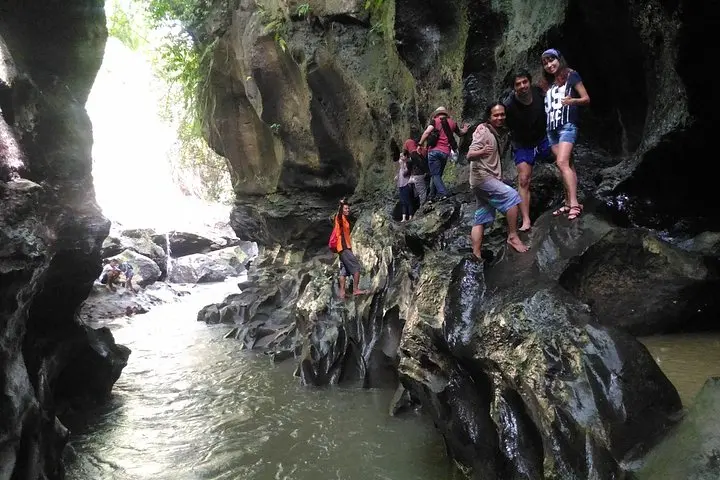
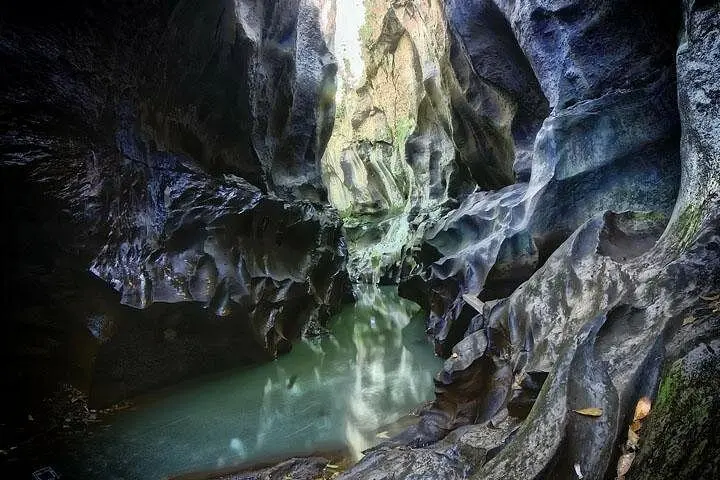
You step off the air‑conditioned ride into a steep-sided cut of living stone where the river seems to have a will of its own, carving channels and daring you forward. The day begins with the narrow passages of Beji Guwang’s Hidden Canyon — ankle-deep streams, moss-slick boulders and jagged walls that funnel light into green pools.
Verified experiences and guided adventures in the surrounding area.
Operated by Best Bali Things To Do · Ubud, Bali
You step off the air‑conditioned ride into a steep-sided cut of living stone where the river seems to have a will of its own, carving channels and daring you forward. The day begins with the narrow passages of Beji Guwang’s Hidden Canyon — ankle-deep streams, moss-slick boulders and jagged walls that funnel light into green pools.
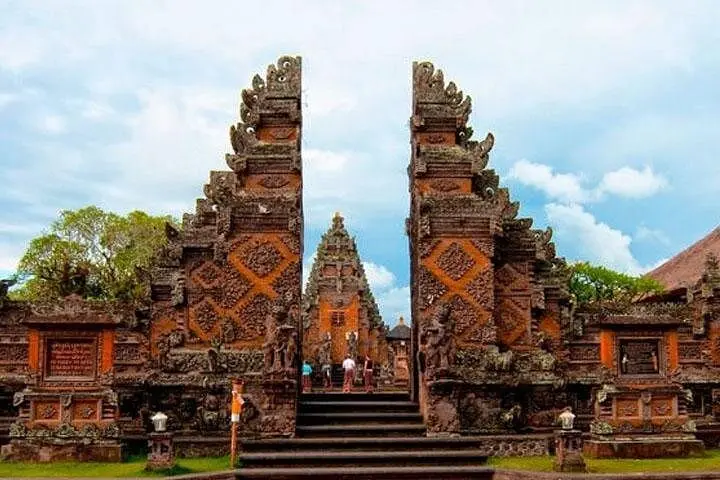
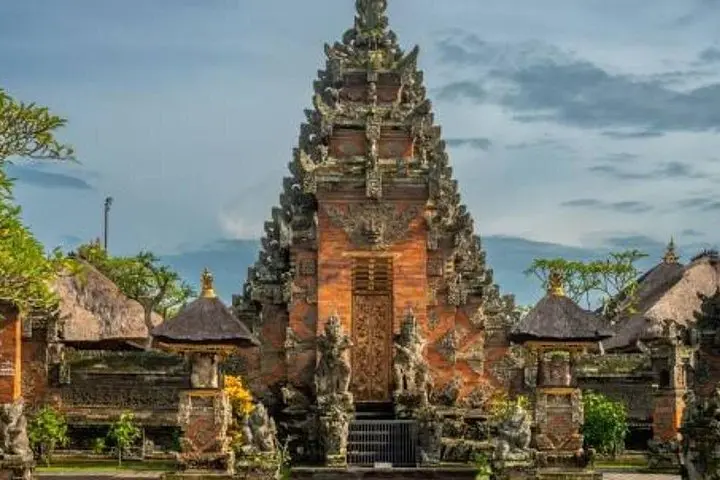
This route threads together distinct faces of central Bali: the volcanic soils that shaped the canyon’s sculpted walls; the centuries-old subak irrigation that patterns Tegallalang’s rice terraces; and Puseh Batuan, a village temple that preserves classical Balinese reliefs and ritual practice. Along the way you’ll pass workshops of silversmiths and coffee stalls where kopi luwak and grilled beans steam beside views of terraces falling in green steps.
Expect intermittent trekking: short scrambles, stream wading, and narrow ledges requiring steady footing and an adventurous stride. Local guides point out temple carvings, explain the subak water system and help with route-finding through the canyon’s tighter sections.
Practical edge: aim for morning departures to avoid stronger afternoon sun and higher river flow during the wet season. Wear grippy shoes that can get wet, bring a lightweight dry bag, and keep a reusable water bottle filled — vendors are available near Tegallalang and Ubud if you need extras. Modest clothing is required at temples; carry a sarong or rent one at the site. The full loop is a long day (8–9 hours including transfers), but it balances raw canyon adventure with cultural stops and a chance to taste Bali’s hill-country flavors.
The canyon requires moderate effort: short scrambles, wading through shallow streams and navigating narrow ledges—guides assist but good balance and steady shoes are important.
This tour’s inclusions list private transport and parking; small local entrance fees, temple donations or swing/coffee experiences are typically paid on site in cash.
Children can join if they are steady on uneven terrain and supervised; the operator notes it’s not recommended for those with spinal, heart or pregnancy restrictions.
During the wet season river flow increases and sections can become slippery—operators may alter the route or advise rescheduling for safety.
Best Bali Things To Do operates guided outdoor trips and adventures with an emphasis on safety, stewardship, and memorable experiences.
You step off the air‑conditioned ride into a steep-sided cut of living stone where the river seems to have a will of its own, carving channels and daring you forward. The day begins with the narrow passages of Beji Guwang’s Hidden Canyon — ankle-deep streams, moss-slick boulders and jagged walls that funnel light into green pools.
You step off the air‑conditioned ride into a steep-sided cut of living stone where the river seems to have a will of its own, carving channels and daring you forward. The day begins with the narrow passages of Beji Guwang’s Hidden Canyon — ankle-deep streams, moss-slick boulders and jagged walls that funnel light into green pools.
This route threads together distinct faces of central Bali: the volcanic soils that shaped the canyon’s sculpted walls; the centuries-old subak irrigation that patterns Tegallalang’s rice terraces; and Puseh Batuan, a village temple that preserves classical Balinese reliefs and ritual practice. Along the way you’ll pass workshops of silversmiths and coffee stalls where kopi luwak and grilled beans steam beside views of terraces falling in green steps.
Expect intermittent trekking: short scrambles, stream wading, and narrow ledges requiring steady footing and an adventurous stride. Local guides point out temple carvings, explain the subak water system and help with route-finding through the canyon’s tighter sections.
Practical edge: aim for morning departures to avoid stronger afternoon sun and higher river flow during the wet season. Wear grippy shoes that can get wet, bring a lightweight dry bag, and keep a reusable water bottle filled — vendors are available near Tegallalang and Ubud if you need extras. Modest clothing is required at temples; carry a sarong or rent one at the site. The full loop is a long day (8–9 hours including transfers), but it balances raw canyon adventure with cultural stops and a chance to taste Bali’s hill-country flavors.