THE ADVENTURE COLLECTIVE® · Independent discovery and booking for outdoor travel

A single-day circuit through Oaxaca’s high valley: ancient trees, Zapotec architecture, petrified waterfalls and an artisanal mezcal tasting. Expect a full day of short walks, cultural stops and mineral-rich views — and bring cash for local entrance fees.
A single-day circuit through Oaxaca’s high valley: ancient trees, Zapotec architecture, petrified waterfalls and an artisanal mezcal tasting. Expect a full day of short walks, cultural stops and mineral-rich views — and bring cash for local entrance fees.
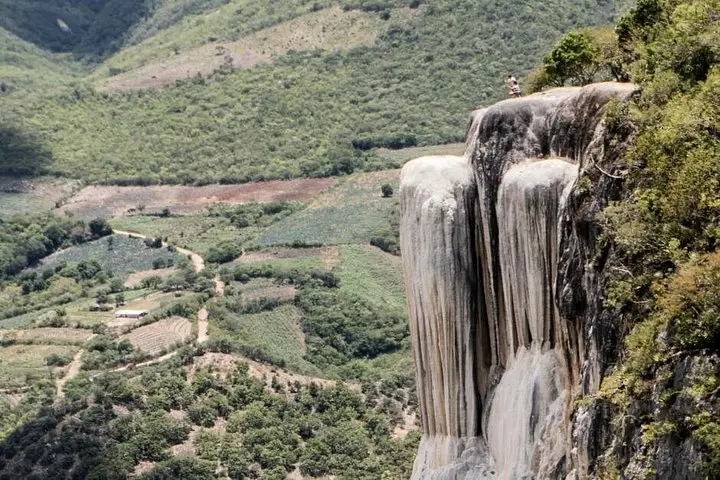
You step out of the van and the high valley air sharpens; distant cliffs blot the horizon and the petrified waterfalls of Hierve el Agua loom like frozen currents daring you to cross their rim.
Verified experiences and guided adventures in the surrounding area.
Operated by Oaxaca by locals · Oaxaca City, Oaxaca
You step out of the van and the high valley air sharpens; distant cliffs blot the horizon and the petrified waterfalls of Hierve el Agua loom like frozen currents daring you to cross their rim.
The day moves with deliberate variety: first the great Tule tree, its massive trunk a slow keeper of centuries near the church square; then Teotitlán del Valle, where warp and weft still speak in natural dyes and the rhythmic stomp of looms maps living tradition.
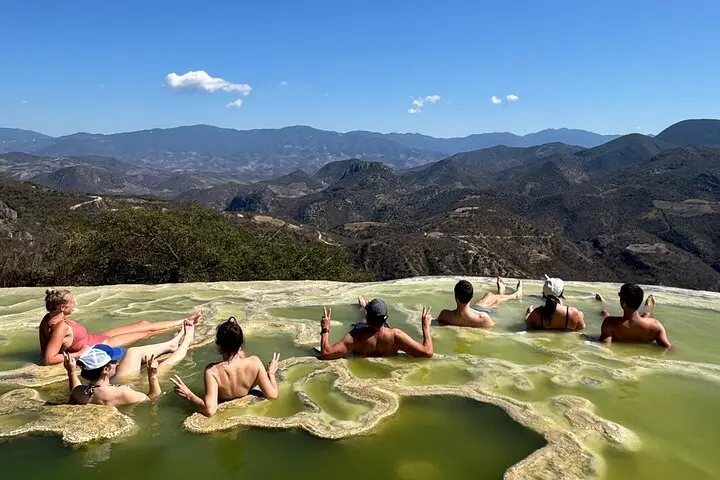
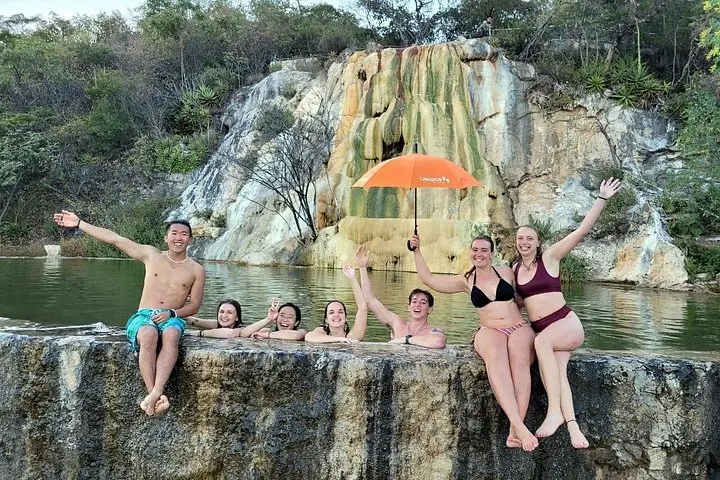
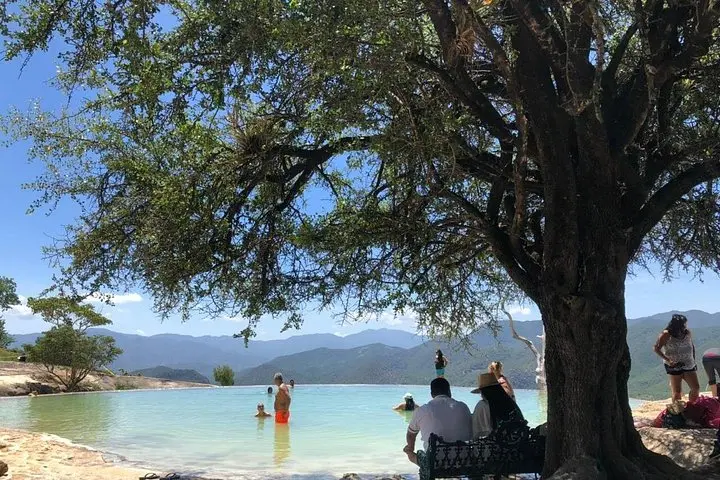
Mitla follows — a Zapotec funerary and ceremonial site where geometric stonework and burial chambers reveal urban planning and cosmology from a pre-Hispanic era. Geology plays its part at Hierve el Agua: mineral-laden springs built travertine ledges over millennia, creating pools and terraces that mimic waterfalls but are stone-grown. The landscape feels alive, the air pushing cool drafts through agave and scrub as you walk exposed rim trails.
The tour closes with a mezcal visita, where agave piñas, earthen pit-roasts, and copper stills explain Oaxaca’s distilled heritage; sampling is part anthropology, part palate education.
Practicalities: expect a full day (plan 10–12 hours), bring water, sunscreen, and cash (small local fees for Tule, Mitla, and the Hierve pools). Sturdy shoes are advisable—the terrain ranges from paved plazas to rocky, uneven trails. Morning departures avoid midday heat and give better light for photos at Hierve.
This route mixes cultural history, simple geology, and hands-on craft — a compact, sensory portrait of Oaxaca’s high valley economy and landscape.
This is a full-day shared tour (approximately 10–12 hours) that typically departs from central Oaxaca City and returns the same evening.
No — small local entrance fees (Tule, Mitla, Hierve pools) and the buffet lunch are paid in cash on-site; mezcal tastings at small palenques are usually complimentary.
Short visits are family-friendly, but uneven paths and steps at archaeological sites and Hierve el Agua may be challenging for those with limited mobility; infants must sit on laps as per operator policy.
Many small distilleries sell bottles; check customs limits for export and bring cash for purchases at family-run palenques.
Oaxaca by locals operates guided outdoor trips and adventures with an emphasis on safety, stewardship, and memorable experiences.
You step out of the van and the high valley air sharpens; distant cliffs blot the horizon and the petrified waterfalls of Hierve el Agua loom like frozen currents daring you to cross their rim.
You step out of the van and the high valley air sharpens; distant cliffs blot the horizon and the petrified waterfalls of Hierve el Agua loom like frozen currents daring you to cross their rim.
The day moves with deliberate variety: first the great Tule tree, its massive trunk a slow keeper of centuries near the church square; then Teotitlán del Valle, where warp and weft still speak in natural dyes and the rhythmic stomp of looms maps living tradition.
Mitla follows — a Zapotec funerary and ceremonial site where geometric stonework and burial chambers reveal urban planning and cosmology from a pre-Hispanic era. Geology plays its part at Hierve el Agua: mineral-laden springs built travertine ledges over millennia, creating pools and terraces that mimic waterfalls but are stone-grown. The landscape feels alive, the air pushing cool drafts through agave and scrub as you walk exposed rim trails.
The tour closes with a mezcal visita, where agave piñas, earthen pit-roasts, and copper stills explain Oaxaca’s distilled heritage; sampling is part anthropology, part palate education.
Practicalities: expect a full day (plan 10–12 hours), bring water, sunscreen, and cash (small local fees for Tule, Mitla, and the Hierve pools). Sturdy shoes are advisable—the terrain ranges from paved plazas to rocky, uneven trails. Morning departures avoid midday heat and give better light for photos at Hierve.
This route mixes cultural history, simple geology, and hands-on craft — a compact, sensory portrait of Oaxaca’s high valley economy and landscape.