THE ADVENTURE COLLECTIVE® · Independent discovery and booking for outdoor travel

Spend a full day walking through Joshua Tree with a local guide who knows the geology, culture, and secret corners of the park. Routes are customized to your group — expect 6–9 hours of variable miles, detailed natural history, and practical fieldcraft for desert travel.
Spend a full day walking through Joshua Tree with a local guide who knows the geology, culture, and secret corners of the park. Routes are customized to your group — expect 6–9 hours of variable miles, detailed natural history, and practical fieldcraft for desert travel.
The morning light in Joshua Tree strips the horizon down to angles: the stunted limbs of yucca trees reach like hands, granite monoliths coolly face the sky, and a thin wind carries sand and the distant clink of rockfall. You meet your guide — a two-decade resident who has logged hundreds of miles in the park — and within minutes the desert’s geometry becomes readable: trails that thread between boulder chokes, washes that remember last winter’s rain, and patches of cryptobiotic soil that refuse to be trod upon.
Verified experiences and guided adventures in the surrounding area.
Operated by Wandering Mojave · Joshua Tree, CA
The morning light in Joshua Tree strips the horizon down to angles: the stunted limbs of yucca trees reach like hands, granite monoliths coolly face the sky, and a thin wind carries sand and the distant clink of rockfall. You meet your guide — a two-decade resident who has logged hundreds of miles in the park — and within minutes the desert’s geometry becomes readable: trails that thread between boulder chokes, washes that remember last winter’s rain, and patches of cryptobiotic soil that refuse to be trod upon.
This is not a fixed trail so much as a day-long conversation with place. Routes are tailored to group fitness and curiosity, from gentle loops through cultural sites to more strenuous scrambles across exfoliated granite. Geologically, Joshua Tree is a playground of monzogranite sculpted by millennia of freeze-thaw and jointing; the boulders you climb are the rounded leftovers of that slow work. Culturally the park is layered too — Native groups have shaped the land for centuries, miners left roads and ruins in the late 19th and early 20th centuries, and a long-running countercultural scene of climbers and artists made the high desert a magnet for people seeking creative space.
On a full-day hike you’ll encounter Mojave scrub, stands of Joshua trees that tilt against the wind, and the scrub’s smaller citizens: lizards that dart like punctuation and birds that call across canyon mouths. The guide frames these encounters with storytelling: the natural history of the trees, the origin of rock names, the human stories behind an abandoned mine or a faded homestead.
Practically, expect 6–9 hours on the trail, variable miles (roughly 8–14 miles depending on objectives) and intermittent elevation gain; the experience is adjustable in real time. Water is provided in reusable bottles or hydration bladders, but guests should plan to carry and drink at least 2–3 liters. Summer days demand early starts to beat heat; shoulder seasons offer wildflower and cactus bloom opportunities, while winter brings crisp air and clear skies perfect for long views.
Leave No Trace is not a slogan here — it’s necessary. The desert’s crust and plants are fragile, and the guide emphasizes responsible travel: stay on durable surfaces, pack out what you bring, and respect wildlife and cultural sites. For travelers who want local context as well as route-finding, this full-day guided hike pairs geology, ecology, and the desert’s human history into a single, practical outing that rewards attention more than speed.
Meeting location is flexible within the park; once booked the guide will agree on the best trailhead based on weather, season, and group interests.
Routes are customizable — expect a moderate day with 8–14 miles possible; the guide will adjust pace and distance to match the group’s abilities.
Bottled water is provided in reusable containers or bladders; bring personal snacks or a light lunch unless otherwise arranged.
Yes — park entrance fees apply and can be paid at the gate or with a national parks pass; check current fees before arrival.
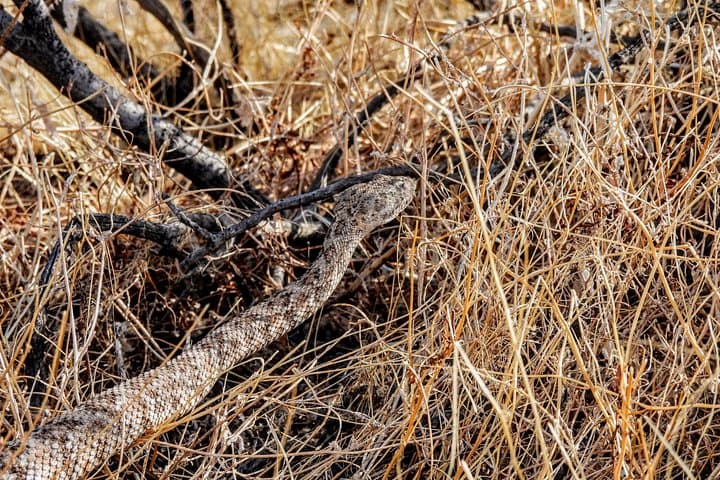
Common sightings include lizards, jackrabbits, cactus wrens, coyotes, and occasionally desert bighorn sheep in more remote areas.
The tour operates in most conditions but can be rescheduled for extreme heat, storms, or other unsafe conditions; check the guide’s cancellation policy for details.
Wandering Mojave operates guided outdoor trips and adventures with an emphasis on safety, stewardship, and memorable experiences.
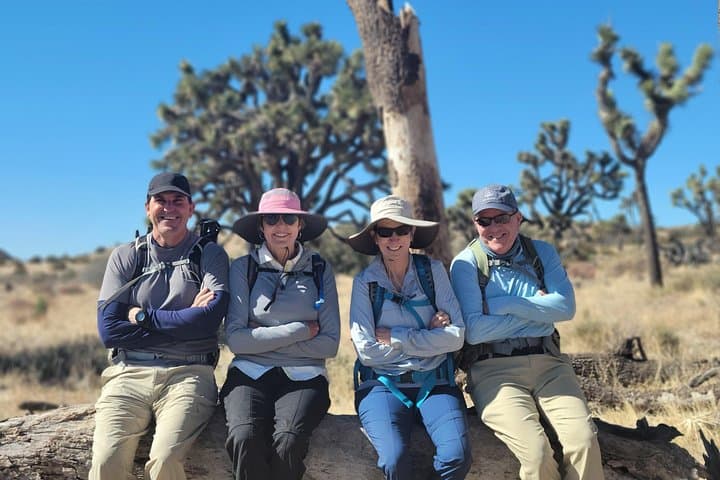
The morning light in Joshua Tree strips the horizon down to angles: the stunted limbs of yucca trees reach like hands, granite monoliths coolly face the sky, and a thin wind carries sand and the distant clink of rockfall. You meet your guide — a two-decade resident who has logged hundreds of miles in the park — and within minutes the desert’s geometry becomes readable: trails that thread between boulder chokes, washes that remember last winter’s rain, and patches of cryptobiotic soil that refuse to be trod upon.
The morning light in Joshua Tree strips the horizon down to angles: the stunted limbs of yucca trees reach like hands, granite monoliths coolly face the sky, and a thin wind carries sand and the distant clink of rockfall. You meet your guide — a two-decade resident who has logged hundreds of miles in the park — and within minutes the desert’s geometry becomes readable: trails that thread between boulder chokes, washes that remember last winter’s rain, and patches of cryptobiotic soil that refuse to be trod upon.
This is not a fixed trail so much as a day-long conversation with place. Routes are tailored to group fitness and curiosity, from gentle loops through cultural sites to more strenuous scrambles across exfoliated granite. Geologically, Joshua Tree is a playground of monzogranite sculpted by millennia of freeze-thaw and jointing; the boulders you climb are the rounded leftovers of that slow work. Culturally the park is layered too — Native groups have shaped the land for centuries, miners left roads and ruins in the late 19th and early 20th centuries, and a long-running countercultural scene of climbers and artists made the high desert a magnet for people seeking creative space.
On a full-day hike you’ll encounter Mojave scrub, stands of Joshua trees that tilt against the wind, and the scrub’s smaller citizens: lizards that dart like punctuation and birds that call across canyon mouths. The guide frames these encounters with storytelling: the natural history of the trees, the origin of rock names, the human stories behind an abandoned mine or a faded homestead.
Practically, expect 6–9 hours on the trail, variable miles (roughly 8–14 miles depending on objectives) and intermittent elevation gain; the experience is adjustable in real time. Water is provided in reusable bottles or hydration bladders, but guests should plan to carry and drink at least 2–3 liters. Summer days demand early starts to beat heat; shoulder seasons offer wildflower and cactus bloom opportunities, while winter brings crisp air and clear skies perfect for long views.
Leave No Trace is not a slogan here — it’s necessary. The desert’s crust and plants are fragile, and the guide emphasizes responsible travel: stay on durable surfaces, pack out what you bring, and respect wildlife and cultural sites. For travelers who want local context as well as route-finding, this full-day guided hike pairs geology, ecology, and the desert’s human history into a single, practical outing that rewards attention more than speed.