THE ADVENTURE COLLECTIVE® · Independent discovery and booking for outdoor travel

A six-hour circuit from Arequipa to the Capua (Corontoiro) waterfall takes you through lava-carved canyon gates, Andean terraces and arid scrub. This accessible day hike ends at a 100 m crystalline fall and a picnic spot framed by basalt walls.
A six-hour circuit from Arequipa to the Capua (Corontoiro) waterfall takes you through lava-carved canyon gates, Andean terraces and arid scrub. This accessible day hike ends at a 100 m crystalline fall and a picnic spot framed by basalt walls.
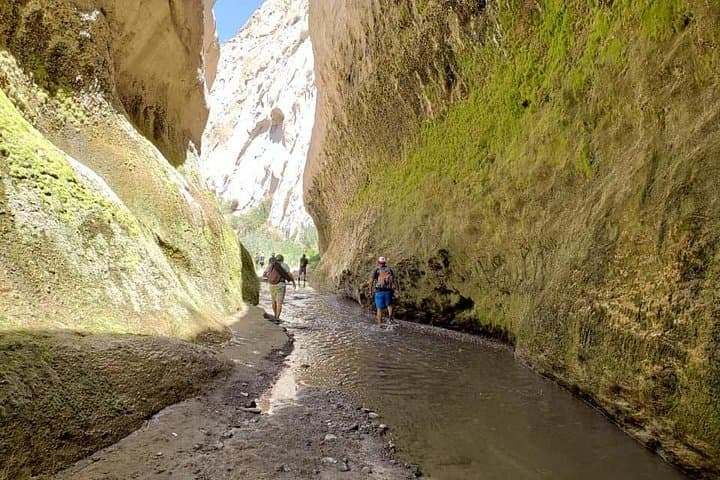
You step out of the van into thin, crisp air and a landscape that seems to have been carved by fire: black lava walls rise on one side, dry gullies cut into ochre slopes, and a narrow river threads the valley below. The trail from the Yura highlands climbs through low cactus and wind-battered shrubs, the ground crunching underfoot as the canyon narrows and the sound of falling water slips into the day.
Verified experiences and guided adventures in the surrounding area.
Operated by Perou Voyage · Yura, Arequipa
You step out of the van into thin, crisp air and a landscape that seems to have been carved by fire: black lava walls rise on one side, dry gullies cut into ochre slopes, and a narrow river threads the valley below. The trail from the Yura highlands climbs through low cactus and wind-battered shrubs, the ground crunching underfoot as the canyon narrows and the sound of falling water slips into the day.
Geology here is immediate — recent volcanic flows and hard basalt cliffs create the canyon gate you follow toward Capua (also called Corontoiro) waterfall. The route passes small Andean terraces and scattered adobe homesteads, remnants of local farming that have shaped the valley for generations. Cultural touches are simple: stone walls, mule tracks, and the occasional shepherd tending llamas.
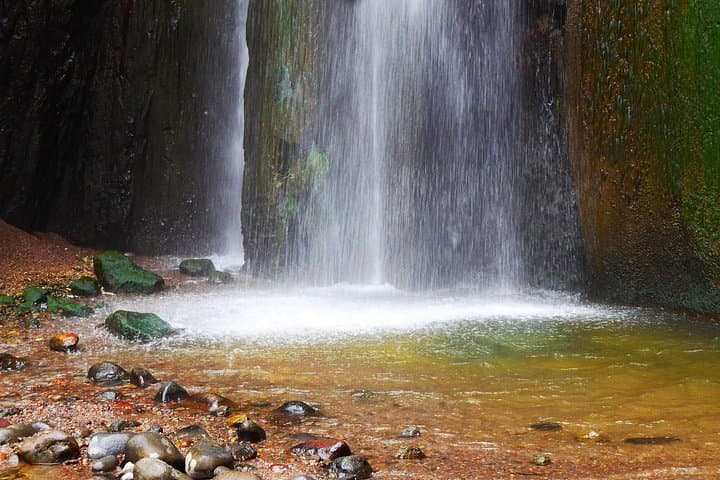
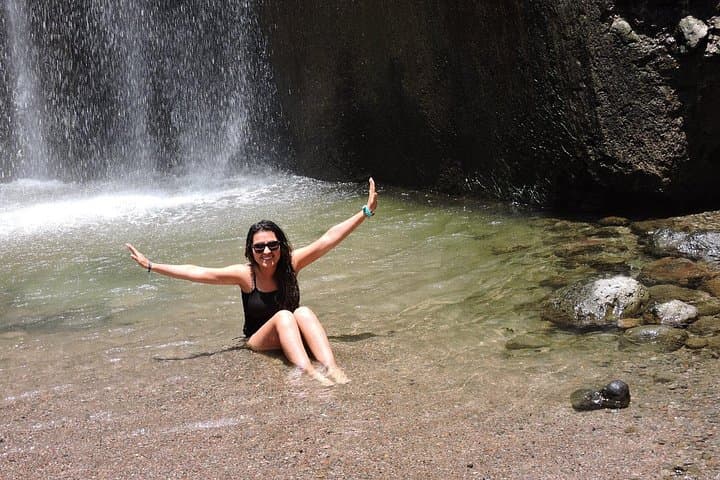
Expect roughly a 6‑hour outing (door-to-door from Arequipa), beginning near 2,518 m and moving uphill for the first stretch before descending into the Capua valley. The waterfall drops around 100 m; crystalline spray cools the canyon and makes an excellent picnic spot. Terrain is mixed — packed dirt, loose scree and short steep pitches — so steady footing matters.
Practical guidance: start early to avoid afternoon sun or seasonal showers, carry at least 2 L of water, and layer for big temperature swings. Allow time after the hike to soak in Yura’s thermal pools if you like — they’re an easy, restorative finish. Stick to trails, pack out trash, and give wildlife space: the canyon’s sparse life can be fragile but rewarding to observe.
The full excursion runs about six hours door‑to‑door from Arequipa (pickup ~7:00 AM), with around 3–4 hours of walking including time at the falls and a picnic; return to the city by mid‑afternoon.
The trail is suitable for reasonably active beginners and older children who can handle uphill walking and uneven ground, but it’s not recommended for those with serious mobility limits.
The hike starts around 2,500 m; mild symptoms are possible for those coming directly from lower elevations — ascend slowly, hydrate, and rest if you feel unwell.
Most itineraries stop in Yura where visitors can visit local thermal pools independently; access may be optional or require a small additional fee.
Perou Voyage operates guided outdoor trips and adventures with an emphasis on safety, stewardship, and memorable experiences.

You step out of the van into thin, crisp air and a landscape that seems to have been carved by fire: black lava walls rise on one side, dry gullies cut into ochre slopes, and a narrow river threads the valley below. The trail from the Yura highlands climbs through low cactus and wind-battered shrubs, the ground crunching underfoot as the canyon narrows and the sound of falling water slips into the day.
You step out of the van into thin, crisp air and a landscape that seems to have been carved by fire: black lava walls rise on one side, dry gullies cut into ochre slopes, and a narrow river threads the valley below. The trail from the Yura highlands climbs through low cactus and wind-battered shrubs, the ground crunching underfoot as the canyon narrows and the sound of falling water slips into the day.
Geology here is immediate — recent volcanic flows and hard basalt cliffs create the canyon gate you follow toward Capua (also called Corontoiro) waterfall. The route passes small Andean terraces and scattered adobe homesteads, remnants of local farming that have shaped the valley for generations. Cultural touches are simple: stone walls, mule tracks, and the occasional shepherd tending llamas.
Expect roughly a 6‑hour outing (door-to-door from Arequipa), beginning near 2,518 m and moving uphill for the first stretch before descending into the Capua valley. The waterfall drops around 100 m; crystalline spray cools the canyon and makes an excellent picnic spot. Terrain is mixed — packed dirt, loose scree and short steep pitches — so steady footing matters.
Practical guidance: start early to avoid afternoon sun or seasonal showers, carry at least 2 L of water, and layer for big temperature swings. Allow time after the hike to soak in Yura’s thermal pools if you like — they’re an easy, restorative finish. Stick to trails, pack out trash, and give wildlife space: the canyon’s sparse life can be fragile but rewarding to observe.