THE ADVENTURE COLLECTIVE® · Independent discovery and booking for outdoor travel

Climb 1,425 historic stone steps on a full-day guided hike to Mt. Horaiji, a National Natural Monument with temple shrines and sweeping views of Mikawa Bay. Expect forested trails, steady stair climbs, and a local bento lunch paired with cultural interpretation.
Climb 1,425 historic stone steps on a full-day guided hike to Mt. Horaiji, a National Natural Monument with temple shrines and sweeping views of Mikawa Bay. Expect forested trails, steady stair climbs, and a local bento lunch paired with cultural interpretation.
The climb begins at Okamechaya on the Omotesando path, where a single ribbon of stone steps disappears into cedar shade and the air tightens with the smell of moss and pine. You’ll ascend 1,425 carved stone steps that have guided pilgrims for more than a millennium, each riser a measured heartbeat toward the former main hall and the Horaiji Toshogu Shrine.
Verified experiences and guided adventures in the surrounding area.
Operated by Hihumi 1.2.3. · Shinshiro, Aichi Prefecture
The climb begins at Okamechaya on the Omotesando path, where a single ribbon of stone steps disappears into cedar shade and the air tightens with the smell of moss and pine. You’ll ascend 1,425 carved stone steps that have guided pilgrims for more than a millennium, each riser a measured heartbeat toward the former main hall and the Horaiji Toshogu Shrine.
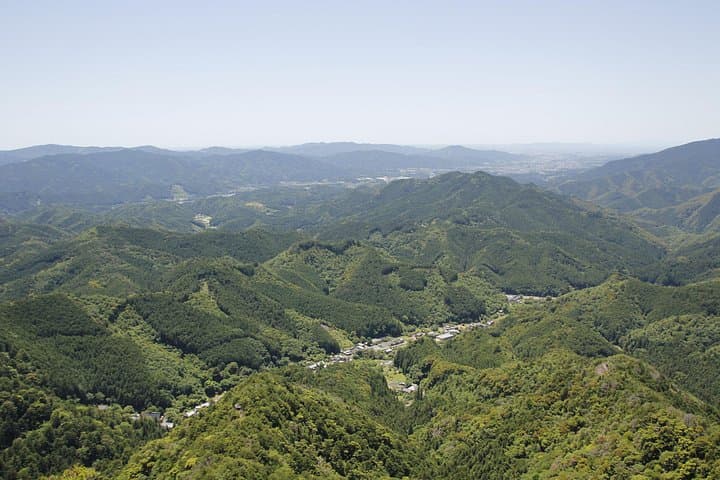
Horaiji is both cultural site and natural preserve: designated a National Natural Monument, the slopes hold mixed broadleaf and conifer forests, seasonal wildflowers, and rock outcrops that reveal the region’s sedimentary geology. The temple complex reflects layers of Japanese history—Shinto-Buddhist syncretism and links to Tokugawa Ieyasu—while viewpoints open to Mikawa Bay and the surrounding ridgelines.
Expect a sustained stair climb over uneven stone, occasional steep pitches and forested trail connectors; the tour typically runs 4–6 hours including guided interpretation and a local bento lunch. Physically the route demands steady cardiovascular effort and careful footing rather than technical mountaineering. Weather can shift quickly in these low mountains: morning fog can cloak the views, autumn brings crisp visibility, summer humidity intensifies the climb.
Practical notes: wear grippy hiking shoes, bring 1–2 liters of water, and pace yourself on the long stair sections—there are resting spots and shrine platforms to regroup. Respect temple etiquette: quiet voices, no smoking, and modest photo rules at shrines. This is a day of history, stone and sky—an immersive stairway that rewards effort with framed views of Mikawa Bay and a quiet, centuries-old pilgrimage route.
It’s a sustained stair climb equivalent to several hundred meters of elevation gain; expect consistent exertion over multiple hours and plan for frequent short rests.
The route is not ideal for very young children, pregnant travelers, or those with spinal/serious cardiovascular conditions—fitness and careful footing are required.
The tour includes a locally sourced bento box featuring regional ingredients; there are also nearby restaurants if you prefer to dine off-trail.
Public transportation options are available to the area; the tour meeting point is on the Omotesando path (Okamechaya). Confirm exact directions and times with your operator before arrival.
Hihumi 1.2.3. operates guided outdoor trips and adventures with an emphasis on safety, stewardship, and memorable experiences.
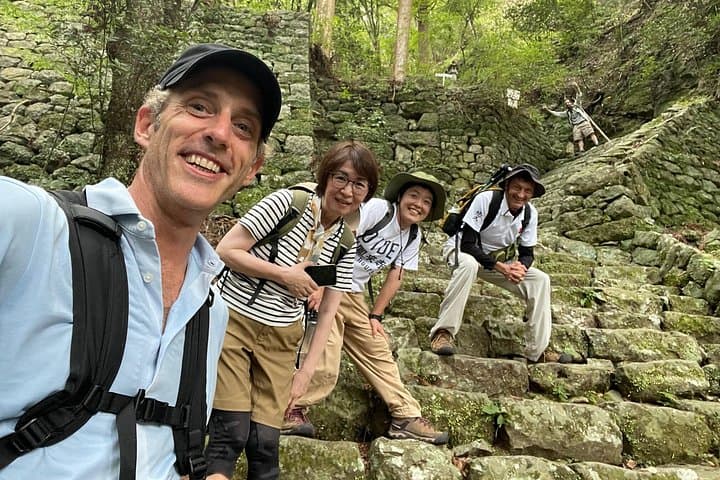
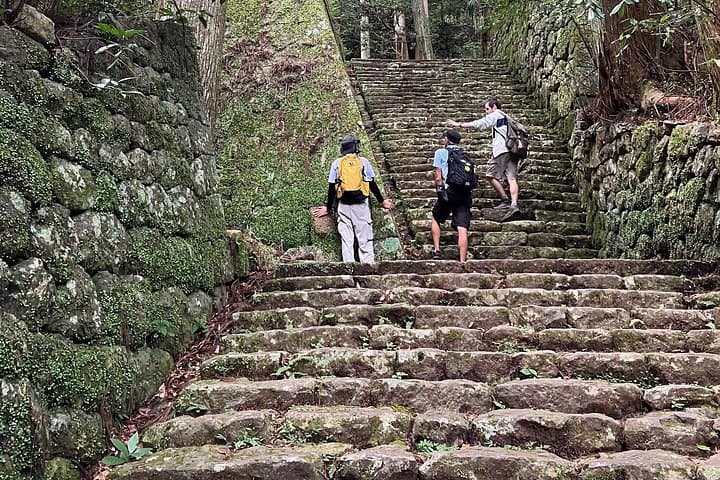
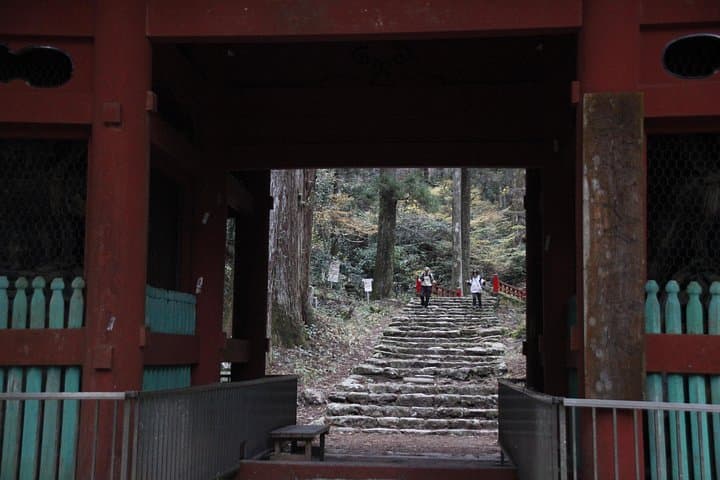
The climb begins at Okamechaya on the Omotesando path, where a single ribbon of stone steps disappears into cedar shade and the air tightens with the smell of moss and pine. You’ll ascend 1,425 carved stone steps that have guided pilgrims for more than a millennium, each riser a measured heartbeat toward the former main hall and the Horaiji Toshogu Shrine.
The climb begins at Okamechaya on the Omotesando path, where a single ribbon of stone steps disappears into cedar shade and the air tightens with the smell of moss and pine. You’ll ascend 1,425 carved stone steps that have guided pilgrims for more than a millennium, each riser a measured heartbeat toward the former main hall and the Horaiji Toshogu Shrine.
Horaiji is both cultural site and natural preserve: designated a National Natural Monument, the slopes hold mixed broadleaf and conifer forests, seasonal wildflowers, and rock outcrops that reveal the region’s sedimentary geology. The temple complex reflects layers of Japanese history—Shinto-Buddhist syncretism and links to Tokugawa Ieyasu—while viewpoints open to Mikawa Bay and the surrounding ridgelines.
Expect a sustained stair climb over uneven stone, occasional steep pitches and forested trail connectors; the tour typically runs 4–6 hours including guided interpretation and a local bento lunch. Physically the route demands steady cardiovascular effort and careful footing rather than technical mountaineering. Weather can shift quickly in these low mountains: morning fog can cloak the views, autumn brings crisp visibility, summer humidity intensifies the climb.
Practical notes: wear grippy hiking shoes, bring 1–2 liters of water, and pace yourself on the long stair sections—there are resting spots and shrine platforms to regroup. Respect temple etiquette: quiet voices, no smoking, and modest photo rules at shrines. This is a day of history, stone and sky—an immersive stairway that rewards effort with framed views of Mikawa Bay and a quiet, centuries-old pilgrimage route.