THE ADVENTURE COLLECTIVE® · Independent discovery and booking for outdoor travel

A full-day guided trek from Cusco to Vinicunca (Rainbow Mountain) that climbs to high-altitude viewpoints of the multi-hued slopes east of Ausangate. Expect rocky trails, thin air and dramatic color streaks best seen in clear morning light.
A full-day guided trek from Cusco to Vinicunca (Rainbow Mountain) that climbs to high-altitude viewpoints of the multi-hued slopes east of Ausangate. Expect rocky trails, thin air and dramatic color streaks best seen in clear morning light.
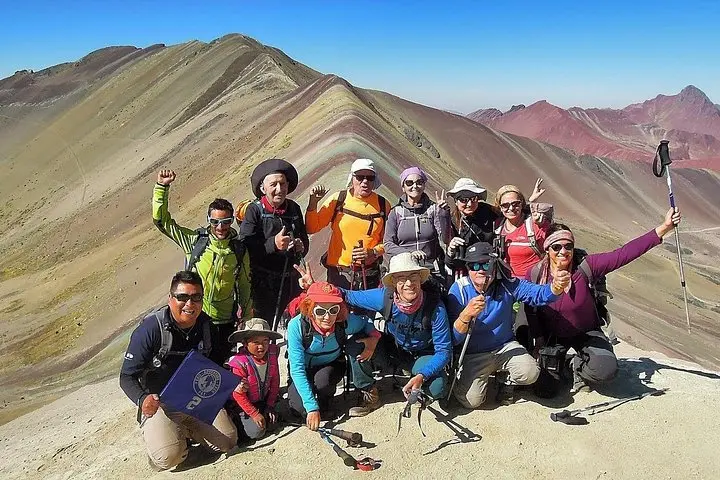
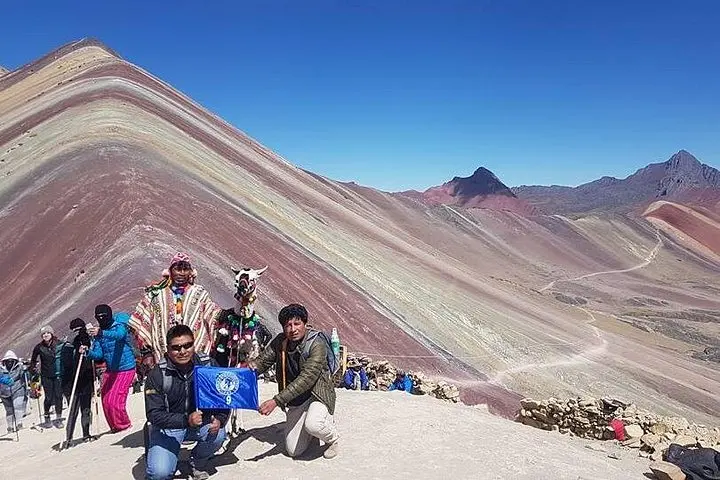
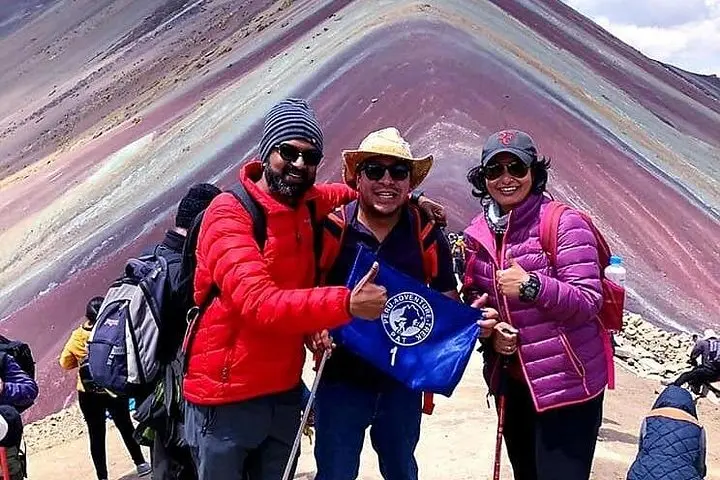
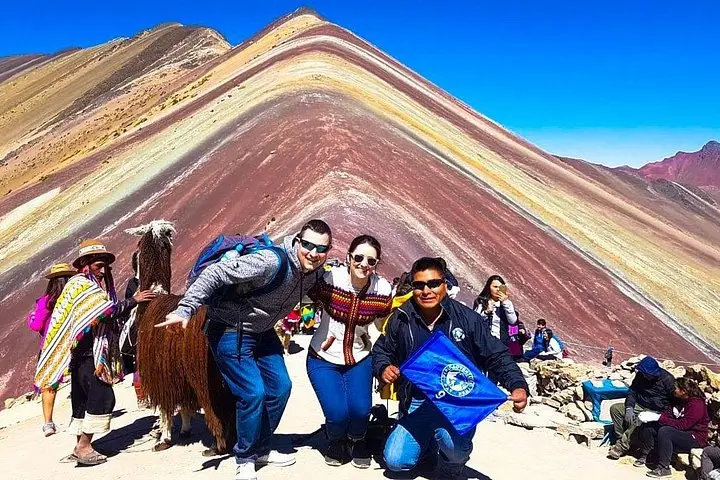
You step off the minivan and the air slices thin and clean; the peaks around you are iron-rich and streaked with rust, ochre and ochre-deep reds, a raw palette shaving the skyline. The four- to six-kilometer climb to Vinicunca’s viewpoint pulls you through scrubby puna grass, across stone switchbacks and past herds of grazing llamas until the seven-colored stripe of the mountain reveals itself — a geological stripe of oxidized minerals shaped by uplift and glacial scouring.
Verified experiences and guided adventures in the surrounding area.
Operated by Peru Adventure Trek · Cusco, Cusco Region
You step off the minivan and the air slices thin and clean; the peaks around you are iron-rich and streaked with rust, ochre and ochre-deep reds, a raw palette shaving the skyline. The four- to six-kilometer climb to Vinicunca’s viewpoint pulls you through scrubby puna grass, across stone switchbacks and past herds of grazing llamas until the seven-colored stripe of the mountain reveals itself — a geological stripe of oxidized minerals shaped by uplift and glacial scouring.
The ridge sits east of Ausangate, a mountain sacred to Quechua communities for centuries. Locals still lead visitors, sharing stories about pastoral life and the buried glaciers that shaped valleys below. Geologically, the bands are iron and copper oxides overlying older sedimentary layers; seasonality and light change their intensity, so morning and late afternoon render the most saturated tones.
Practically, expect high altitude (around 5,200 m / 17,060 ft at the viewpoint), rocky paths, and strong sun. The guided full-day tour from Cusco runs roughly 8–10 hours with breakfast, lunch and entrance included; many operators supply oxygen and first aid. Pace yourself on the ascent, use layers for rapid temperature swings, and carry water and sun protection. Horses are available on steep sections for an added cost but negotiate before starting.
This is an exposed, high-elevation day hike: hydrate, sleep well in Cusco beforehand, and give yourself time to enjoy photos and the surrounding valleys rather than racing to the peak.
The trek is moderate in technical difficulty but made strenuous by altitude; the final viewpoint sits around 5,200 m so pace yourself and rest often.
Permits and a marked trail exist, but most visitors use guided tours for transport, meals and local knowledge — guides also help with acclimatization advice.
Yes — local riders offer horse support for an extra fee; arrange and agree on price before departure and understand horses may not go all the way to the viewpoint.
Dry season (May–September) offers clearer skies and more vivid colors; mornings and late afternoons provide the best angled light.
Peru Adventure Trek operates guided outdoor trips and adventures with an emphasis on safety, stewardship, and memorable experiences.
You step off the minivan and the air slices thin and clean; the peaks around you are iron-rich and streaked with rust, ochre and ochre-deep reds, a raw palette shaving the skyline. The four- to six-kilometer climb to Vinicunca’s viewpoint pulls you through scrubby puna grass, across stone switchbacks and past herds of grazing llamas until the seven-colored stripe of the mountain reveals itself — a geological stripe of oxidized minerals shaped by uplift and glacial scouring.
You step off the minivan and the air slices thin and clean; the peaks around you are iron-rich and streaked with rust, ochre and ochre-deep reds, a raw palette shaving the skyline. The four- to six-kilometer climb to Vinicunca’s viewpoint pulls you through scrubby puna grass, across stone switchbacks and past herds of grazing llamas until the seven-colored stripe of the mountain reveals itself — a geological stripe of oxidized minerals shaped by uplift and glacial scouring.
The ridge sits east of Ausangate, a mountain sacred to Quechua communities for centuries. Locals still lead visitors, sharing stories about pastoral life and the buried glaciers that shaped valleys below. Geologically, the bands are iron and copper oxides overlying older sedimentary layers; seasonality and light change their intensity, so morning and late afternoon render the most saturated tones.
Practically, expect high altitude (around 5,200 m / 17,060 ft at the viewpoint), rocky paths, and strong sun. The guided full-day tour from Cusco runs roughly 8–10 hours with breakfast, lunch and entrance included; many operators supply oxygen and first aid. Pace yourself on the ascent, use layers for rapid temperature swings, and carry water and sun protection. Horses are available on steep sections for an added cost but negotiate before starting.
This is an exposed, high-elevation day hike: hydrate, sleep well in Cusco beforehand, and give yourself time to enjoy photos and the surrounding valleys rather than racing to the peak.