THE ADVENTURE COLLECTIVE® · Independent discovery and booking for outdoor travel

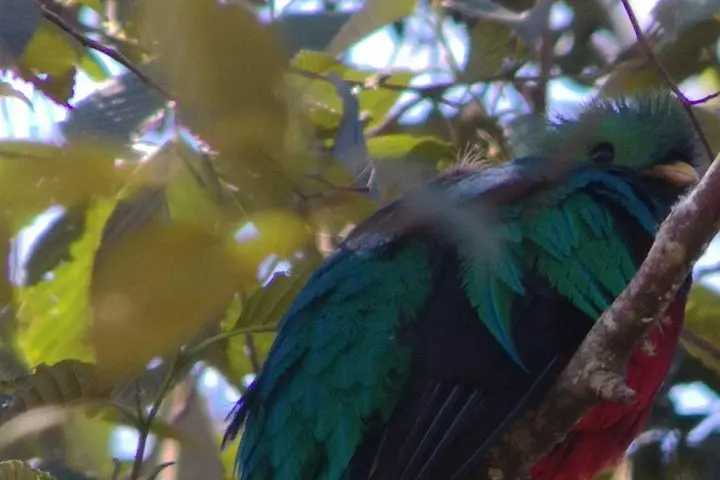
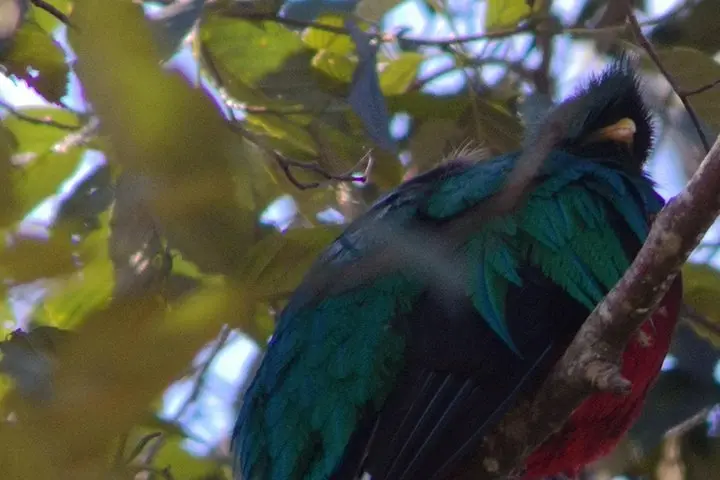
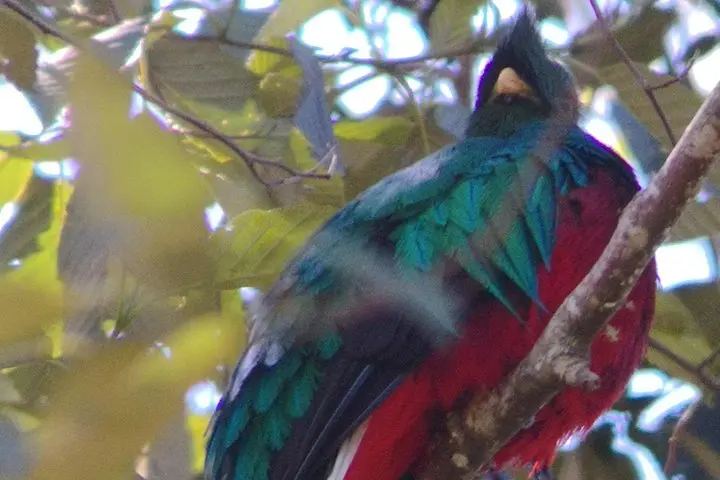
Spend a full day in the cool cloud forests of San Gerardo de Dota for guided hiking and birding along the Savegre River, including access to Los Quetzales National Park. Expect mossy trails, hummingbirds, and chances to see the resplendent quetzal.
Spend a full day in the cool cloud forests of San Gerardo de Dota for guided hiking and birding along the Savegre River, including access to Los Quetzales National Park. Expect mossy trails, hummingbirds, and chances to see the resplendent quetzal.
You step out of the van into a cool wash of mist and the river’s voice — the Savegre pushing over dark stones as if daring you to follow. Cloud forest climbs steeply above, ferns uncurling at your feet, while the call of a highland bird threads the trees; this is San Gerardo de Dota and a day in Los Quetzales National Park.
Verified experiences and guided adventures in the surrounding area.
Operated by Costa Rica Itinerary · San Gerardo de Dota, San José
You step out of the van into a cool wash of mist and the river’s voice — the Savegre pushing over dark stones as if daring you to follow. Cloud forest climbs steeply above, ferns uncurling at your feet, while the call of a highland bird threads the trees; this is San Gerardo de Dota and a day in Los Quetzales National Park.
The valley sits on volcanic soils of the Talamanca range; elevations here are generally 1,700–2,200 m, creating the cool, humid conditions that support the resplendent quetzal and a dense understory of moss and epiphytes. The National Park was created to protect these montane forests and the migratory routes of cloud-forest species. Local culture centers on small-scale trout farms and coffee micro-farms—family-run operations that line the approach roads and offer fresh, high-altitude beans.
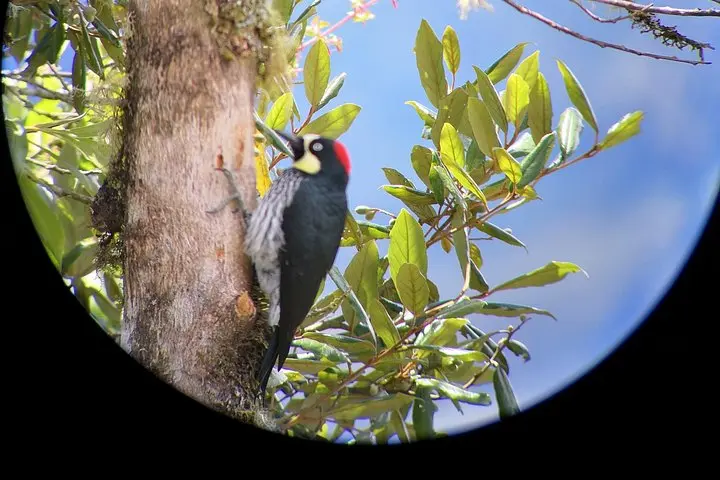
On the trail expect 6–12 km of uneven, often muddy track with short, steep pitches and frequent birding stops. Binoculars and patience reward you: trogons, hummingbirds, tanagers and, if you’re lucky, a quetzal may appear on mossy branches. Guides know listening points and microhabitats where species concentrate, and visits include park fees and a lunch stop in a local comedor.
Practically: dress in breathable, layered rain gear, bring steady footwear, insect repellent and a daypack with water (2–3 L recommended). Morning light is best for bird activity—arrive early, keep voices low and stay on trail to protect fragile moss beds. The day is long but meticulous: slow-moving nature that rewards attention.
This is a full-day experience (about 12 hours) that includes hotel pickup from the San José area, guided hiking and birdwatching, park fees, bottled water and lunch.
The hike is moderate: uneven, sometimes steep trail with mud and roots; participants should have a moderate fitness level and reasonable mobility.
Expect a range of cloud-forest species including resplendent quetzal, trogons, tanagers and various hummingbirds; sightings cannot be guaranteed, but guides focus on known hotspots.
This activity is not recommended for very young children (under 3), pregnant travelers, or those with serious back/spinal issues; check provider restrictions before booking.
Costa Rica Itinerary operates guided outdoor trips and adventures with an emphasis on safety, stewardship, and memorable experiences.
You step out of the van into a cool wash of mist and the river’s voice — the Savegre pushing over dark stones as if daring you to follow. Cloud forest climbs steeply above, ferns uncurling at your feet, while the call of a highland bird threads the trees; this is San Gerardo de Dota and a day in Los Quetzales National Park.
You step out of the van into a cool wash of mist and the river’s voice — the Savegre pushing over dark stones as if daring you to follow. Cloud forest climbs steeply above, ferns uncurling at your feet, while the call of a highland bird threads the trees; this is San Gerardo de Dota and a day in Los Quetzales National Park.
The valley sits on volcanic soils of the Talamanca range; elevations here are generally 1,700–2,200 m, creating the cool, humid conditions that support the resplendent quetzal and a dense understory of moss and epiphytes. The National Park was created to protect these montane forests and the migratory routes of cloud-forest species. Local culture centers on small-scale trout farms and coffee micro-farms—family-run operations that line the approach roads and offer fresh, high-altitude beans.
On the trail expect 6–12 km of uneven, often muddy track with short, steep pitches and frequent birding stops. Binoculars and patience reward you: trogons, hummingbirds, tanagers and, if you’re lucky, a quetzal may appear on mossy branches. Guides know listening points and microhabitats where species concentrate, and visits include park fees and a lunch stop in a local comedor.
Practically: dress in breathable, layered rain gear, bring steady footwear, insect repellent and a daypack with water (2–3 L recommended). Morning light is best for bird activity—arrive early, keep voices low and stay on trail to protect fragile moss beds. The day is long but meticulous: slow-moving nature that rewards attention.