THE ADVENTURE COLLECTIVE® · Independent discovery and booking for outdoor travel

Spend a full day in Hluhluwe‑Imfolozi on a 4x4 game drive from Durban, where rolling sandstone ridges, riverine forests and watering holes host the Big Five. Expect long drives, expert guides and prime viewing at dawn and dusk.
Spend a full day in Hluhluwe‑Imfolozi on a 4x4 game drive from Durban, where rolling sandstone ridges, riverine forests and watering holes host the Big Five. Expect long drives, expert guides and prime viewing at dawn and dusk.
Dawn spills gold across the rolling hills of Hluhluwe-Imfolozi as your 4x4 slips onto a red-dust track, headlights catching the curve of a distant kudu. The reserve stretches in open savanna, riverine forest and low sandstone ridges; game congregates where water pools and trees shade the heat of the day.
Verified experiences and guided adventures in the surrounding area.
Operated by African Tournet Safaris · Hluhluwe, KwaZulu-Natal
Dawn spills gold across the rolling hills of Hluhluwe-Imfolozi as your 4x4 slips onto a red-dust track, headlights catching the curve of a distant kudu. The reserve stretches in open savanna, riverine forest and low sandstone ridges; game congregates where water pools and trees shade the heat of the day.
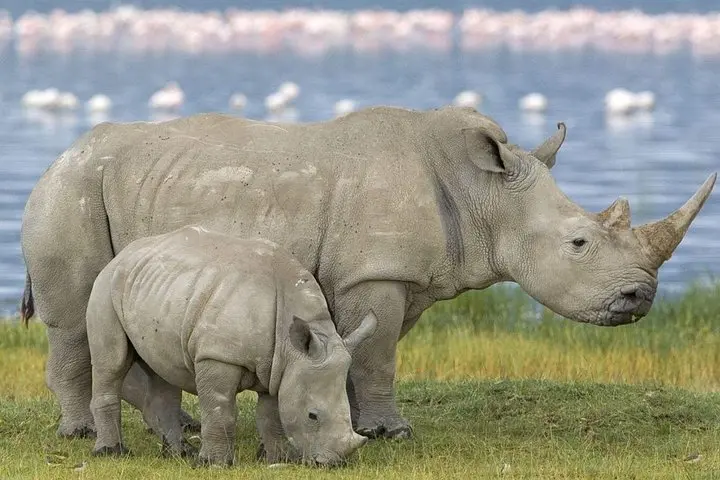
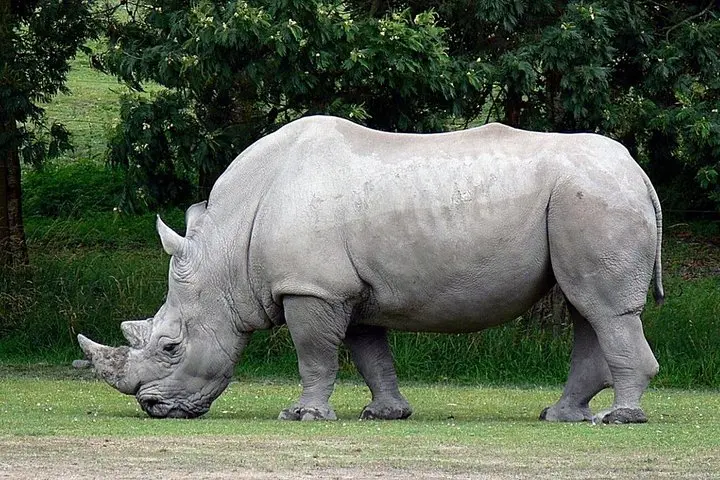
Hluhluwe-Imfolozi is one of South Africa’s oldest conservation areas, central to early efforts to save the white rhino and today a living laboratory of KwaZulu-Natal’s biodiversity. Geologically, the park lies on Natal Group sandstones that form gentle ridgelines and eroded kopjes; seasonal rivers carve reed-lined valleys that draw wildlife and birds.
Local Zulu communities shaped the landscape for generations—grazing and ritual sites still mark the margins—and modern conservation blends tourism with community programs.
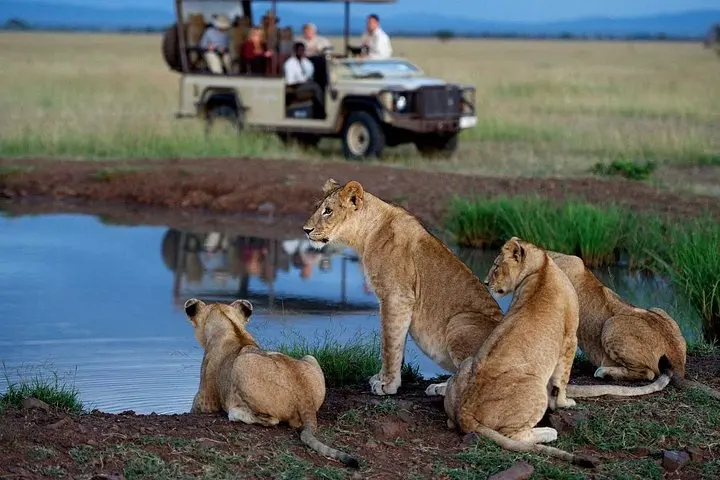
On a full-day tour from Durban you can expect a three-hour transfer each way and roughly six hours inside the park. Guides read spoor and waterholes, using raised 4x4s to give everyone clear views of elephants, buffalo, rhino and more. Wildlife is most active at first light and late afternoon; midday is for quiet hides, shade and photography.
Practicalities: bring neutral clothing, layered warmth for cool mornings, sun protection and a refillable water bottle. Binoculars and a zoom lens improve sightings; follow your guide’s instructions around all animals and keep noise low. The day is long but designed for easy physical participation—most of the thrill arrives from patient watching and the sudden, close sighting of a beast you’ve only ever seen in books.
The transfer is about three hours each way depending on traffic, making this a roughly 10‑hour door‑to‑door experience.
This tour indicates admission is included as part of the full‑day itinerary—confirm at booking if you need a detailed receipt.
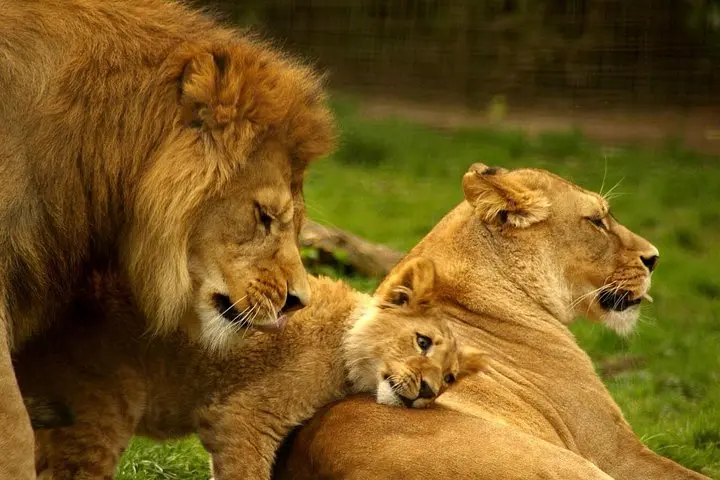
Hluhluwe‑Imfolozi hosts the Big Five (elephant, rhino, buffalo, lion, leopard) plus antelope, hyena, wild dog sightings possible and a rich bird list; sightings aren’t guaranteed but chances are high with an experienced guide.
The game drive is suitable for most ages and fitness levels since it’s vehicle‑based, but vehicle access and brief walks may be challenging for some—check specific accessibility needs with the operator.
African Tournet Safaris operates guided outdoor trips and adventures with an emphasis on safety, stewardship, and memorable experiences.
Dawn spills gold across the rolling hills of Hluhluwe-Imfolozi as your 4x4 slips onto a red-dust track, headlights catching the curve of a distant kudu. The reserve stretches in open savanna, riverine forest and low sandstone ridges; game congregates where water pools and trees shade the heat of the day.
Dawn spills gold across the rolling hills of Hluhluwe-Imfolozi as your 4x4 slips onto a red-dust track, headlights catching the curve of a distant kudu. The reserve stretches in open savanna, riverine forest and low sandstone ridges; game congregates where water pools and trees shade the heat of the day.
Hluhluwe-Imfolozi is one of South Africa’s oldest conservation areas, central to early efforts to save the white rhino and today a living laboratory of KwaZulu-Natal’s biodiversity. Geologically, the park lies on Natal Group sandstones that form gentle ridgelines and eroded kopjes; seasonal rivers carve reed-lined valleys that draw wildlife and birds.
Local Zulu communities shaped the landscape for generations—grazing and ritual sites still mark the margins—and modern conservation blends tourism with community programs.
On a full-day tour from Durban you can expect a three-hour transfer each way and roughly six hours inside the park. Guides read spoor and waterholes, using raised 4x4s to give everyone clear views of elephants, buffalo, rhino and more. Wildlife is most active at first light and late afternoon; midday is for quiet hides, shade and photography.
Practicalities: bring neutral clothing, layered warmth for cool mornings, sun protection and a refillable water bottle. Binoculars and a zoom lens improve sightings; follow your guide’s instructions around all animals and keep noise low. The day is long but designed for easy physical participation—most of the thrill arrives from patient watching and the sudden, close sighting of a beast you’ve only ever seen in books.