THE ADVENTURE COLLECTIVE® · Independent discovery and booking for outdoor travel

Spend a long, revealing day tracing the Quebrada de Humahuaca from Salta: Seven Colors Hill, Purmamarca’s market, pre-Incan ruins and the painted chapel of Uquía. This full-day trip balances panoramic stops with cultural time in highland towns.
Spend a long, revealing day tracing the Quebrada de Humahuaca from Salta: Seven Colors Hill, Purmamarca’s market, pre-Incan ruins and the painted chapel of Uquía. This full-day trip balances panoramic stops with cultural time in highland towns.
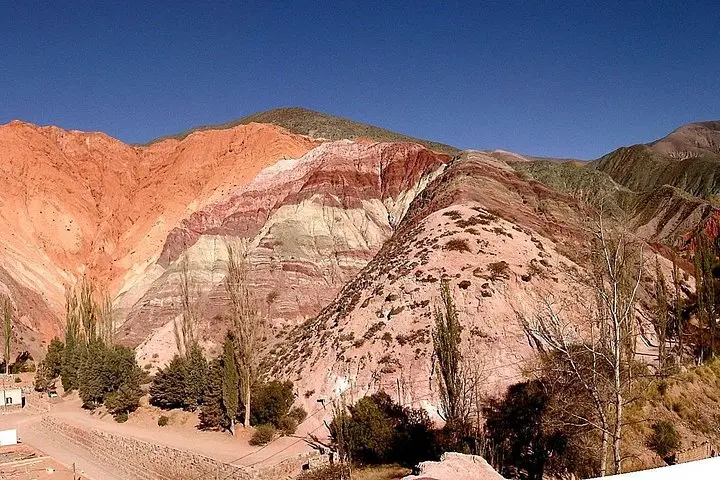
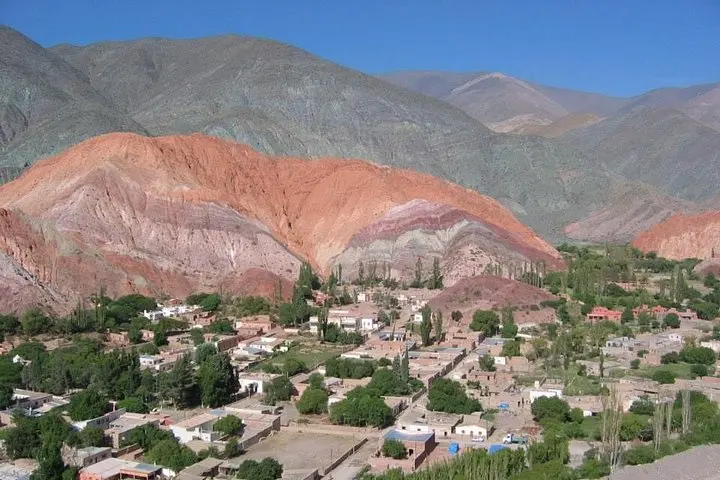
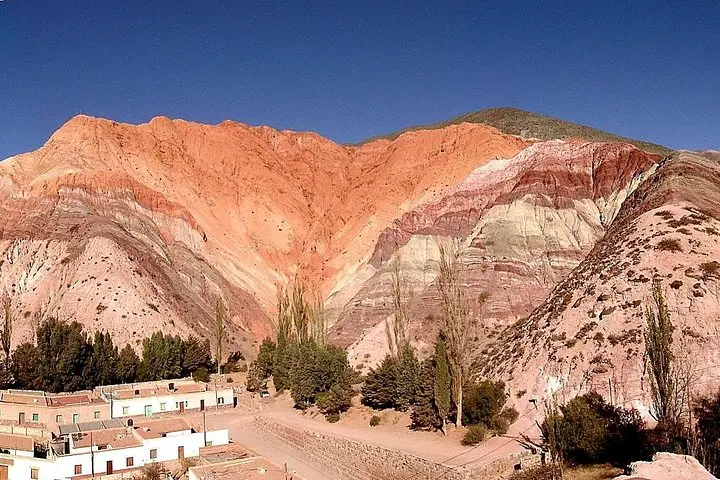
You leave Salta with the road unrolling like a map of stone, dawn light painting ridgelines orange as the bus climbs toward the high desert. Wind tees the air into sharp, dry drafts; towns appear as low-slung clusters of plaster and clay, their plazas waking under church bells. By midmorning you stand at the base of Seven Colors Hill—bands of ochre, rust and mint arranged like a geologic ledger—and the landscape seems to insist you read its pages.
Verified experiences and guided adventures in the surrounding area.
Operated by AGENCIA DE TURISMO TIAMAR EVT · Humahuaca, Jujuy
You leave Salta with the road unrolling like a map of stone, dawn light painting ridgelines orange as the bus climbs toward the high desert. Wind tees the air into sharp, dry drafts; towns appear as low-slung clusters of plaster and clay, their plazas waking under church bells. By midmorning you stand at the base of Seven Colors Hill—bands of ochre, rust and mint arranged like a geologic ledger—and the landscape seems to insist you read its pages.
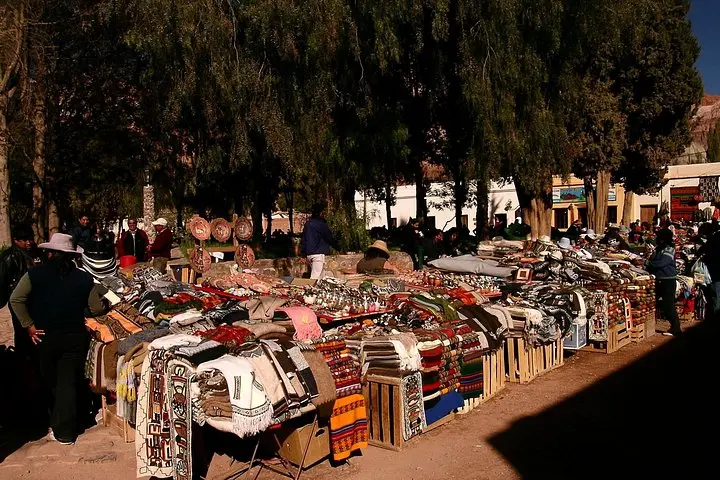
The Quebrada de Humahuaca has been a corridor for human movement for millennia: pre-Incan and Incan routes threaded the valley, and in 2003 the gorge was inscribed as a UNESCO World Heritage site for its cultural continuity and geology. The colorful strata visible around Purmamarca and the Paleta del Pintor are sedimentary layers tilted by Andean uplift and weathered into crisp ridges. Small towns—Purmamarca, Uquía, Humahuaca—retain colonial chapels, artisan markets and dishes built from maize and mountain salt.
Expect a long, purposeful day of short walks, photo stops and an hour in small villages to explore markets and local cafés. The tour moves at bus-pace between viewpoints, with brief on-foot visits to pre-Inca ruins and the Uquía chapel. Practicalities matter: high-altitude sun is aggressive, temperatures swing from warm to cold, and restroom stops are limited outside towns. Bring layered clothing, sun protection, a filled water bottle and small local currency for crafts and street snacks. Pace yourself—this is a day of seeing more than hiking—so plan for steady travel, quick strolls, and vivid vistas that insist you look up and keep moving.
Yes, the tour includes hotel pickup and drop-off within Salta; confirm your pickup point when booking.
Lunch is not included—there is usually an hour free for lunch in Humahuaca where you can choose local options.
Yes, a current valid passport is required to join the tour and should be carried on the day of travel.
The itinerary is described as physically easy with short walks, but long transport times may be tiring; check accessibility needs in advance.
AGENCIA DE TURISMO TIAMAR EVT operates guided outdoor trips and adventures with an emphasis on safety, stewardship, and memorable experiences.
You leave Salta with the road unrolling like a map of stone, dawn light painting ridgelines orange as the bus climbs toward the high desert. Wind tees the air into sharp, dry drafts; towns appear as low-slung clusters of plaster and clay, their plazas waking under church bells. By midmorning you stand at the base of Seven Colors Hill—bands of ochre, rust and mint arranged like a geologic ledger—and the landscape seems to insist you read its pages.
You leave Salta with the road unrolling like a map of stone, dawn light painting ridgelines orange as the bus climbs toward the high desert. Wind tees the air into sharp, dry drafts; towns appear as low-slung clusters of plaster and clay, their plazas waking under church bells. By midmorning you stand at the base of Seven Colors Hill—bands of ochre, rust and mint arranged like a geologic ledger—and the landscape seems to insist you read its pages.
The Quebrada de Humahuaca has been a corridor for human movement for millennia: pre-Incan and Incan routes threaded the valley, and in 2003 the gorge was inscribed as a UNESCO World Heritage site for its cultural continuity and geology. The colorful strata visible around Purmamarca and the Paleta del Pintor are sedimentary layers tilted by Andean uplift and weathered into crisp ridges. Small towns—Purmamarca, Uquía, Humahuaca—retain colonial chapels, artisan markets and dishes built from maize and mountain salt.
Expect a long, purposeful day of short walks, photo stops and an hour in small villages to explore markets and local cafés. The tour moves at bus-pace between viewpoints, with brief on-foot visits to pre-Inca ruins and the Uquía chapel. Practicalities matter: high-altitude sun is aggressive, temperatures swing from warm to cold, and restroom stops are limited outside towns. Bring layered clothing, sun protection, a filled water bottle and small local currency for crafts and street snacks. Pace yourself—this is a day of seeing more than hiking—so plan for steady travel, quick strolls, and vivid vistas that insist you look up and keep moving.