THE ADVENTURE COLLECTIVE® · Independent discovery and booking for outdoor travel

A high-altitude day trek from Cusco to the striking turquoise Humantay Lagoon beneath the Salkantay massif. Expect steep singletrack, glacial views and strong altitude effects — this guide covers what to expect and how to prepare.
A high-altitude day trek from Cusco to the striking turquoise Humantay Lagoon beneath the Salkantay massif. Expect steep singletrack, glacial views and strong altitude effects — this guide covers what to expect and how to prepare.
You step out before dawn in Cusco and the van pulls onto a ribbon of Andean road while the high peaks edge into color. The air thins with every kilometer toward Soraypampa, and when you disembark at roughly 3,900 m the wind already has a voice — brisk, clean, and insistent. The trail climbs through tussock grass and scree, framed by the massive silhouette of Nevado Salkantay; after an hour or two the water appears, an unexpected pool of turquoise cradled against a glaciated slope.
Verified experiences and guided adventures in the surrounding area.
Operated by Chaska Andina Travel · Cusco, Cusco
You step out before dawn in Cusco and the van pulls onto a ribbon of Andean road while the high peaks edge into color. The air thins with every kilometer toward Soraypampa, and when you disembark at roughly 3,900 m the wind already has a voice — brisk, clean, and insistent. The trail climbs through tussock grass and scree, framed by the massive silhouette of Nevado Salkantay; after an hour or two the water appears, an unexpected pool of turquoise cradled against a glaciated slope.
Humantay is a glacial lake carved and fed by the Salkantay massif; its milky green comes from finely ground rock flour suspended in meltwater. The area sits on traditional Quechua lands, and mountain worship (apu tradition) remains an active cultural thread — guides often point out ritual sites and explain local reverence for the peaks. Geologically the route crosses Pleistocene moraines and exposed metamorphic rock lifted by Andean tectonics.
Practically: the day is long — expect 12 to 13 hours round-trip from Cusco with a 1.5–2 hour ascent to 4,200 m. Altitude is the primary challenge, not technical difficulty; the trail includes loose stone, short steep pitches and exposed sections where traction matters. Bring layered clothing for rapid temperature swings, hydrate deliberately, and allow time at the lagoon for photos and acclimatization. Guides usually provide breakfast, lunch and first aid, but personal meds, gloves, trekking shoes and poles improve comfort and safety. Aim to arrive in Cusco rested a day prior and plan your outing early in the morning to avoid afternoon weather shifts and crowds.
The route is non-technical but physically demanding due to altitude and steep sections; expect 1.5–2 hours ascending from Soraypampa with loose rock underfoot.
Yes — spending at least 24–48 hours in Cusco and avoiding heavy exertion beforehand reduces the risk of altitude sickness.
Typical inclusions are round-trip transport from Cusco, breakfast, lunch, a bilingual guide, basic first aid (sometimes oxygen), and trekking poles if listed by the operator.
Morning departures avoid afternoon cloud build-up and storms; early arrival also means fewer visiting groups and clearer light for photos.
Chaska Andina Travel operates guided outdoor trips and adventures with an emphasis on safety, stewardship, and memorable experiences.
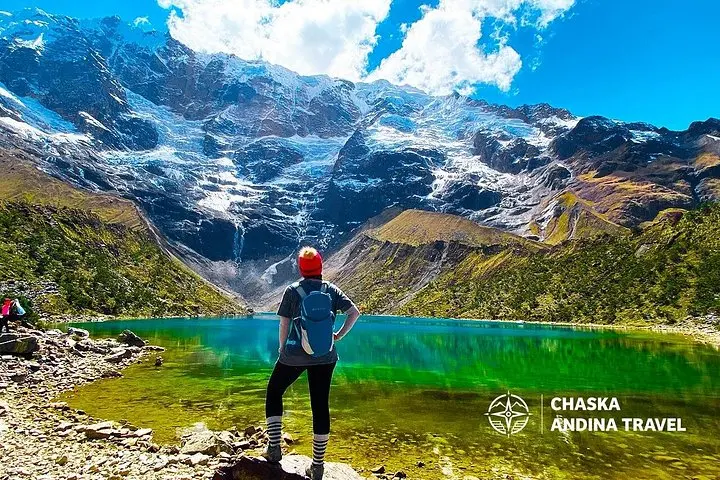
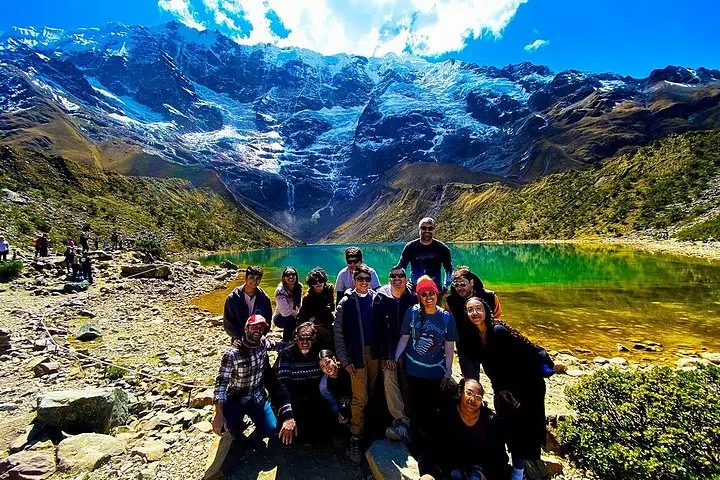
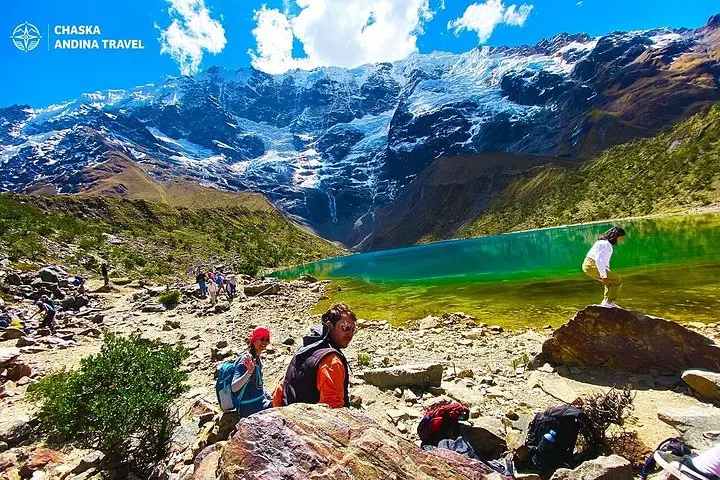
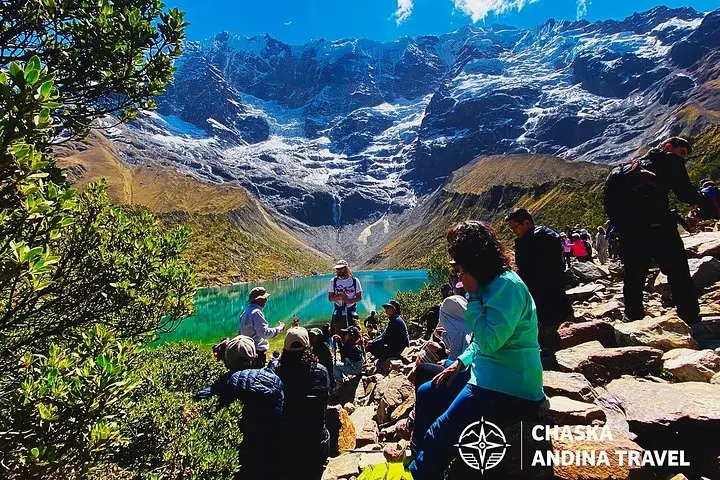
You step out before dawn in Cusco and the van pulls onto a ribbon of Andean road while the high peaks edge into color. The air thins with every kilometer toward Soraypampa, and when you disembark at roughly 3,900 m the wind already has a voice — brisk, clean, and insistent. The trail climbs through tussock grass and scree, framed by the massive silhouette of Nevado Salkantay; after an hour or two the water appears, an unexpected pool of turquoise cradled against a glaciated slope.
You step out before dawn in Cusco and the van pulls onto a ribbon of Andean road while the high peaks edge into color. The air thins with every kilometer toward Soraypampa, and when you disembark at roughly 3,900 m the wind already has a voice — brisk, clean, and insistent. The trail climbs through tussock grass and scree, framed by the massive silhouette of Nevado Salkantay; after an hour or two the water appears, an unexpected pool of turquoise cradled against a glaciated slope.
Humantay is a glacial lake carved and fed by the Salkantay massif; its milky green comes from finely ground rock flour suspended in meltwater. The area sits on traditional Quechua lands, and mountain worship (apu tradition) remains an active cultural thread — guides often point out ritual sites and explain local reverence for the peaks. Geologically the route crosses Pleistocene moraines and exposed metamorphic rock lifted by Andean tectonics.
Practically: the day is long — expect 12 to 13 hours round-trip from Cusco with a 1.5–2 hour ascent to 4,200 m. Altitude is the primary challenge, not technical difficulty; the trail includes loose stone, short steep pitches and exposed sections where traction matters. Bring layered clothing for rapid temperature swings, hydrate deliberately, and allow time at the lagoon for photos and acclimatization. Guides usually provide breakfast, lunch and first aid, but personal meds, gloves, trekking shoes and poles improve comfort and safety. Aim to arrive in Cusco rested a day prior and plan your outing early in the morning to avoid afternoon weather shifts and crowds.