THE ADVENTURE COLLECTIVE® · Independent discovery and booking for outdoor travel

Escape Cusco for a high-altitude day hike to Humantay Lake, a glacier-fed turquoise lagoon beneath the Salkantay massif. This practical guide covers what to expect on the steep final ascent, cultural context, and how to prepare for thin air and shifting weather.
Escape Cusco for a high-altitude day hike to Humantay Lake, a glacier-fed turquoise lagoon beneath the Salkantay massif. This practical guide covers what to expect on the steep final ascent, cultural context, and how to prepare for thin air and shifting weather.
A thin ribbon of road climbs out of the Cusco valley and the Andes open up: sharp ridgelines, wind that pushes at your jacket, and the bright shock of the lake’s turquoise water waiting above the treeline. On the Full-Day Humantay Lake tour you trade the city’s hum for a high-altitude circuit that ends at a glacier-fed lagoon beneath Salkantay’s flanks.
Verified experiences and guided adventures in the surrounding area.
Operated by Humantay Lake · Cusco, Cusco
A thin ribbon of road climbs out of the Cusco valley and the Andes open up: sharp ridgelines, wind that pushes at your jacket, and the bright shock of the lake’s turquoise water waiting above the treeline. On the Full-Day Humantay Lake tour you trade the city’s hum for a high-altitude circuit that ends at a glacier-fed lagoon beneath Salkantay’s flanks.
The route crosses past small Andean hamlets and Inca-era waystations (tambo) along roads used for centuries by local communities. Geologically, Humantay sits in a glacial basin carved by Pleistocene ice; the lake’s color comes from finely ground rock flour suspended in meltwater from surrounding peaks. The area is also culturally significant—local Quechua communities maintain offerings and rituals at high passes, a visible reminder of Andean spiritual practice.
Expect a steep, rocky trail of switchbacks once you leave the vehicle drop-off; the final ascent gains several hundred meters over short distance at thin air. Weather can flip between clear sun and cold wind; snow is possible at higher elevations in the dry season mornings.
Practical guidance: acclimatize in Cusco for 24–48 hours before the hike, carry 2+ liters of water, layer clothing for wind and sun, and plan for a 12–13 hour round trip including transfers. Guides provide oxygen, poles, and meals on many group services, but you should be prepared to hike uneven, high-altitude terrain for up to an hour at a stretch. Timing your visit during the dry months reduces the chance of trail mud and cloud cover and improves views of the Salkantay massif.
From the vehicle drop-off expect 45–90 minutes each way depending on pace and acclimatization; the climb is short but steep with rapid elevation gain.
Possibly—symptoms are common above 3,500 m; acclimatize in Cusco, hydrate, rest, and inform your guide immediately if you feel severe headache, nausea, or dizziness.
Local park or access fees are often included in organized tours; independent hikers should check current entrance fees and pay at the trailhead or visitor kiosk.
The dry season (June–August) offers the most stable weather and clear views; shoulder months can also work but expect higher chance of afternoon clouds and rain.
Humantay Lake operates guided outdoor trips and adventures with an emphasis on safety, stewardship, and memorable experiences.
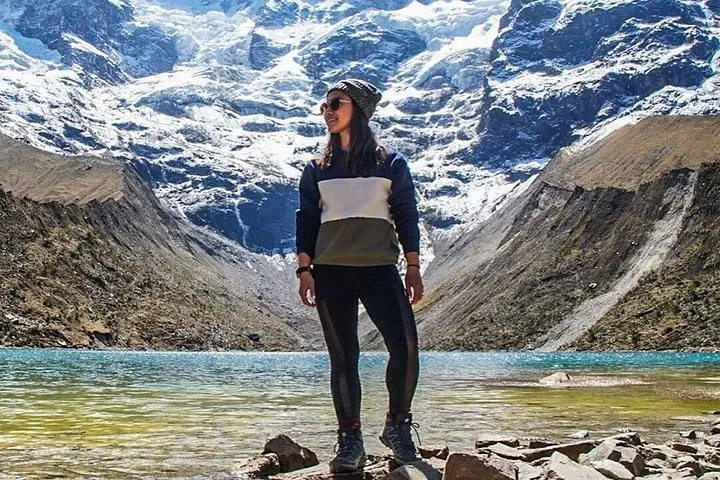
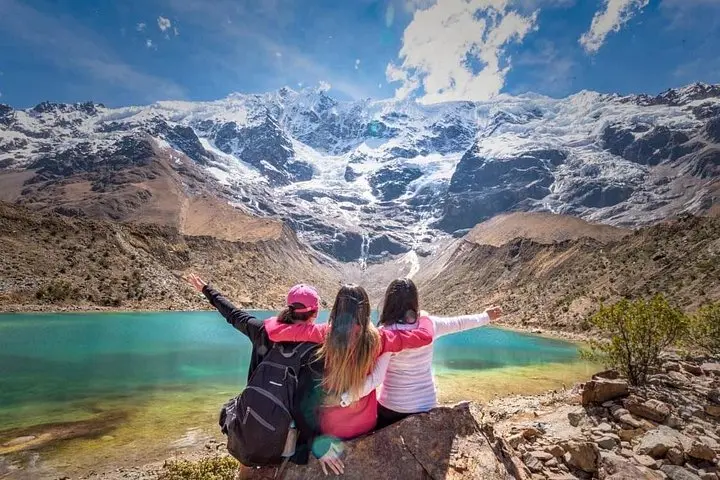
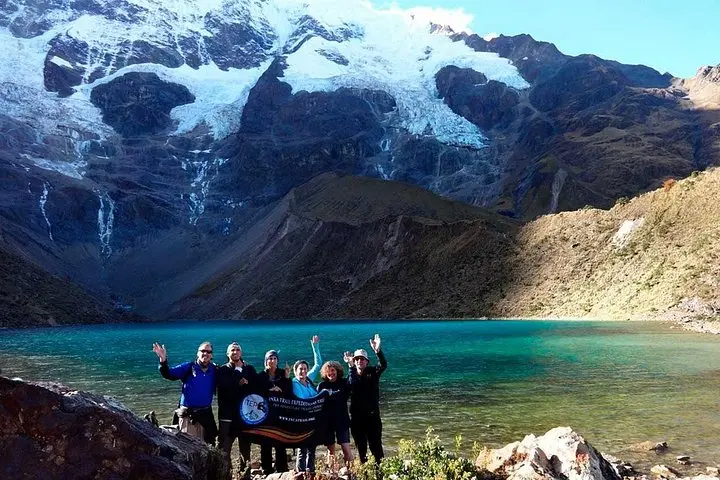
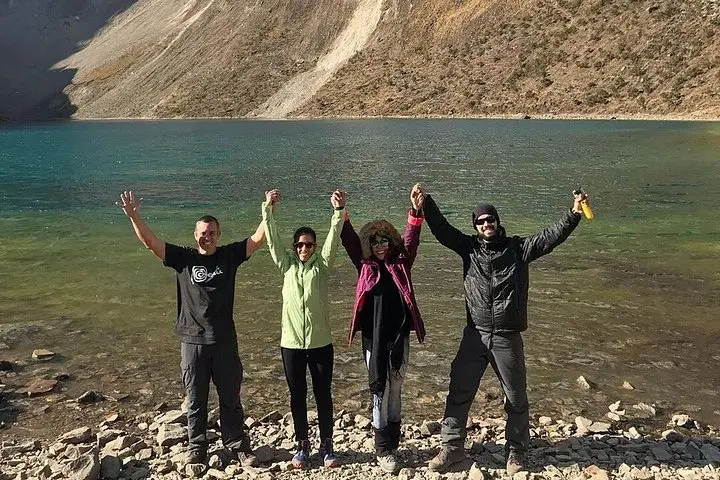
A thin ribbon of road climbs out of the Cusco valley and the Andes open up: sharp ridgelines, wind that pushes at your jacket, and the bright shock of the lake’s turquoise water waiting above the treeline. On the Full-Day Humantay Lake tour you trade the city’s hum for a high-altitude circuit that ends at a glacier-fed lagoon beneath Salkantay’s flanks.
A thin ribbon of road climbs out of the Cusco valley and the Andes open up: sharp ridgelines, wind that pushes at your jacket, and the bright shock of the lake’s turquoise water waiting above the treeline. On the Full-Day Humantay Lake tour you trade the city’s hum for a high-altitude circuit that ends at a glacier-fed lagoon beneath Salkantay’s flanks.
The route crosses past small Andean hamlets and Inca-era waystations (tambo) along roads used for centuries by local communities. Geologically, Humantay sits in a glacial basin carved by Pleistocene ice; the lake’s color comes from finely ground rock flour suspended in meltwater from surrounding peaks. The area is also culturally significant—local Quechua communities maintain offerings and rituals at high passes, a visible reminder of Andean spiritual practice.
Expect a steep, rocky trail of switchbacks once you leave the vehicle drop-off; the final ascent gains several hundred meters over short distance at thin air. Weather can flip between clear sun and cold wind; snow is possible at higher elevations in the dry season mornings.
Practical guidance: acclimatize in Cusco for 24–48 hours before the hike, carry 2+ liters of water, layer clothing for wind and sun, and plan for a 12–13 hour round trip including transfers. Guides provide oxygen, poles, and meals on many group services, but you should be prepared to hike uneven, high-altitude terrain for up to an hour at a stretch. Timing your visit during the dry months reduces the chance of trail mud and cloud cover and improves views of the Salkantay massif.