THE ADVENTURE COLLECTIVE® · Independent discovery and booking for outdoor travel

An early-morning shuttle from Cusco climbs into high Andean country before a steep 1.5–2 km hike delivers you to the turquoise bowl of Laguna Humantay. Expect thin air, rocky switchbacks, and spectacular mountain reflections—this full-day tour includes guides, meals, and return transport.
An early-morning shuttle from Cusco climbs into high Andean country before a steep 1.5–2 km hike delivers you to the turquoise bowl of Laguna Humantay. Expect thin air, rocky switchbacks, and spectacular mountain reflections—this full-day tour includes guides, meals, and return transport.
The bus leaves Cusco before dawn and the highland light arrives slow and pale, washing stone hamlets and terraced hillsides as you climb toward Soraypampa. At the trailhead the air is thin and cold; the path narrows quickly into switchbacks that point straight up to a bowl of turquoise water wedged beneath jagged Andean ridgelines.
Verified experiences and guided adventures in the surrounding area.
Operated by Inca Trilogy Tours · Soraypampa, Cusco Region
The bus leaves Cusco before dawn and the highland light arrives slow and pale, washing stone hamlets and terraced hillsides as you climb toward Soraypampa. At the trailhead the air is thin and cold; the path narrows quickly into switchbacks that point straight up to a bowl of turquoise water wedged beneath jagged Andean ridgelines.
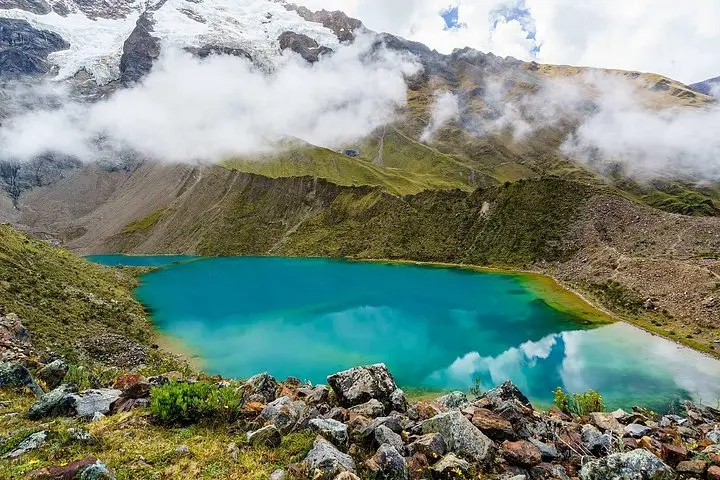
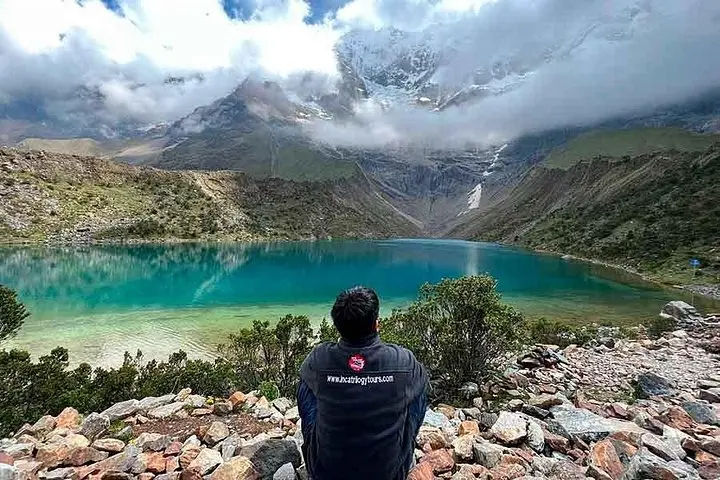
Laguna Humantay is a glacially fed lagoon on the flank of the Salkantay massif, formed where past ice carved a steep amphitheater. The lake’s intense color comes from mineral-rich runoff and suspended rock flour, a visual contrast against gray moraine and the snow-capped peaks above. For local Quechua communities this is a culturally important place—pilgrimages and small ritual offerings are occasional reminders of the lake’s spiritual role.
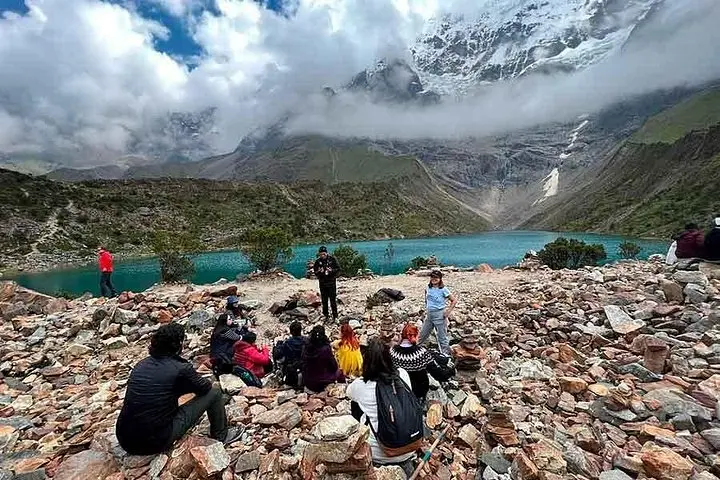
Expect a steep 1.5–2 km ascent from Soraypampa with roughly 350–450 m of elevation gain; the trail is rocky, sometimes loose, and exposed in places. Typical ascent time is 1.5–2 hours depending on acclimatization; guides usually build in time for photography, quiet reflection, and a picnic lunch.
Practical guidance: acclimatize in Cusco for at least 24–48 hours, carry 2–3 liters of water, layer for wind and cold, and consider short-ride horse support if mobility is limited. The full-day format includes hotel pickup, breakfast, and lunch and returns you to Cusco by afternoon or evening—plan a low-effort evening after the hike. Stick to marked paths and pack out all waste; high-altitude landscapes recover slowly but reward the effort with one of the Andes’ most immediate views.
The trail is about 1.5–2 km one way with roughly 350–450 m elevation gain; most people take 1.5–2 hours to ascend depending on pace and acclimatization.
Yes—because the lake sits above 4,000 m, spending 24–48 hours in Cusco or taking lighter activity beforehand is strongly recommended to reduce altitude sickness risk.
On many full-day services local horse support can be arranged for part of the ascent for an additional fee—ask your operator in advance if needed.
The dry season (May–September) offers the clearest skies and most stable trails; the rainy season (December–March) brings heavier cloud, mud, and reduced visibility.
Inca Trilogy Tours operates guided outdoor trips and adventures with an emphasis on safety, stewardship, and memorable experiences.
The bus leaves Cusco before dawn and the highland light arrives slow and pale, washing stone hamlets and terraced hillsides as you climb toward Soraypampa. At the trailhead the air is thin and cold; the path narrows quickly into switchbacks that point straight up to a bowl of turquoise water wedged beneath jagged Andean ridgelines.
The bus leaves Cusco before dawn and the highland light arrives slow and pale, washing stone hamlets and terraced hillsides as you climb toward Soraypampa. At the trailhead the air is thin and cold; the path narrows quickly into switchbacks that point straight up to a bowl of turquoise water wedged beneath jagged Andean ridgelines.
Laguna Humantay is a glacially fed lagoon on the flank of the Salkantay massif, formed where past ice carved a steep amphitheater. The lake’s intense color comes from mineral-rich runoff and suspended rock flour, a visual contrast against gray moraine and the snow-capped peaks above. For local Quechua communities this is a culturally important place—pilgrimages and small ritual offerings are occasional reminders of the lake’s spiritual role.
Expect a steep 1.5–2 km ascent from Soraypampa with roughly 350–450 m of elevation gain; the trail is rocky, sometimes loose, and exposed in places. Typical ascent time is 1.5–2 hours depending on acclimatization; guides usually build in time for photography, quiet reflection, and a picnic lunch.
Practical guidance: acclimatize in Cusco for at least 24–48 hours, carry 2–3 liters of water, layer for wind and cold, and consider short-ride horse support if mobility is limited. The full-day format includes hotel pickup, breakfast, and lunch and returns you to Cusco by afternoon or evening—plan a low-effort evening after the hike. Stick to marked paths and pack out all waste; high-altitude landscapes recover slowly but reward the effort with one of the Andes’ most immediate views.