THE ADVENTURE COLLECTIVE® · Independent discovery and booking for outdoor travel

Witness humpback whales in Samaná Bay, sink your toes into the powder-white sands of Cayo Levantado and end the day at the dramatic El Limón waterfall—an efficient full-day route from Uvero Alto that balances wildlife viewing with beach time and a countryside safari.
Witness humpback whales in Samaná Bay, sink your toes into the powder-white sands of Cayo Levantado and end the day at the dramatic El Limón waterfall—an efficient full-day route from Uvero Alto that balances wildlife viewing with beach time and a countryside safari.
The motor cuts from a lazy tick to a purposeful hum and, for a moment, all that exists is the salt-thick air and the slope of the horizon. The boat pushes off into Samaná Bay, where the water takes on a Caribbean clarity and the ocean seems to be listening—because beneath its surface, the humpbacks are talking. Within minutes the captain points: a blow, a fluke, then the river-size body of a whale arcing skyward. The sound of exhalation and the slap of water fill the deck—raw, precise theater that feels private despite the crowd.
Verified experiences and guided adventures in the surrounding area.
Operated by Shelting Tours · Samaná, Samaná Province
The motor cuts from a lazy tick to a purposeful hum and, for a moment, all that exists is the salt-thick air and the slope of the horizon. The boat pushes off into Samaná Bay, where the water takes on a Caribbean clarity and the ocean seems to be listening—because beneath its surface, the humpbacks are talking. Within minutes the captain points: a blow, a fluke, then the river-size body of a whale arcing skyward. The sound of exhalation and the slap of water fill the deck—raw, precise theater that feels private despite the crowd.
Samaná has drawn humpbacks for centuries; this shallow, warm bay is a breeding and calving ground where North Atlantic humpbacks migrate each winter. The region’s geology—limestone platforms and forested ridgelines—funnels plankton and creates sheltered waters that mothers and calves favor. The island you’ll visit next, Cayo Levantado (often called Bacardi Island), scores a contrast: a narrow crescent of white sand, coconuts tilting toward a sieve of turquoise. The final act is inland—El Limón Waterfall—where rivers wear away limestone and volcanic bedrock to drop roughly 45 meters into a green plunge pool.
This full-day loop—about six hours on a scheduled tour—packs three core experiences: a guided whale-watch (roughly two hours), a beach stop on Cayo Levantado, and a safari plus horseback approach to El Limón Waterfall. Guides here combine marine know-how with local lore: the Afro-Anglo communities settled in Samana in the 19th century, and fishermen still read tide and wind like scripture. Conservation rules shape the show too—licensed operators keep respectful distances and limit approaches to avoid stressing whales.
Practical planning keeps the day smooth. Expect morning pickup from hotels in the Uvero Alto/Punta Cana region; confirm your exact pickup time the night before. Wear quick-dry layers and non-slip shoes you don’t mind getting sandy; a light windbreaker helps on the water. Bring reef-safe sunscreen, a refillable water bottle, motion-sickness medication if you’re sensitive, and a small waterproof camera or phone with a tether—breaches happen fast and often. Lunch and snacks are included, but carry some cash for tips and local purchases on Cayo Levantado.
Timing is everything: whale season peaks January–April, when mothers and calves are most visible, though sightings can extend slightly outside those months. If you want calmer seas and softer light for photos, request an early departure. Above all, go ready to let the ocean set the pace: whales decide the performance, and the best souvenir is a moment you didn’t try to control.
Peak season runs January through April when whales breed and calve here; sightings are most reliable in that window.
Yes; the operator lists it as suitable for all fitness levels, though boat motion and the horseback approach to El Limón may not suit very young children or guests with mobility issues.
Lunch and snacks are included, but bring a refillable water bottle and cash for extras on the island.
You may get occasional spray on deck but not submerged; a waterproof case for electronics is recommended.
This itinerary focuses on beach time; snorkeling equipment may not be provided—ask the operator if you want to bring gear or rent locally.
You can cancel for a full refund if you cancel at least 24 hours before departure; check your booking confirmation for specifics.
Shelting Tours operates guided outdoor trips and adventures with an emphasis on safety, stewardship, and memorable experiences.

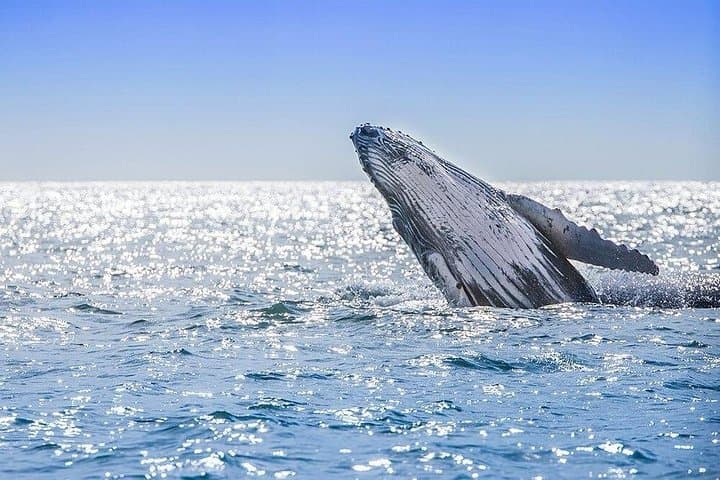
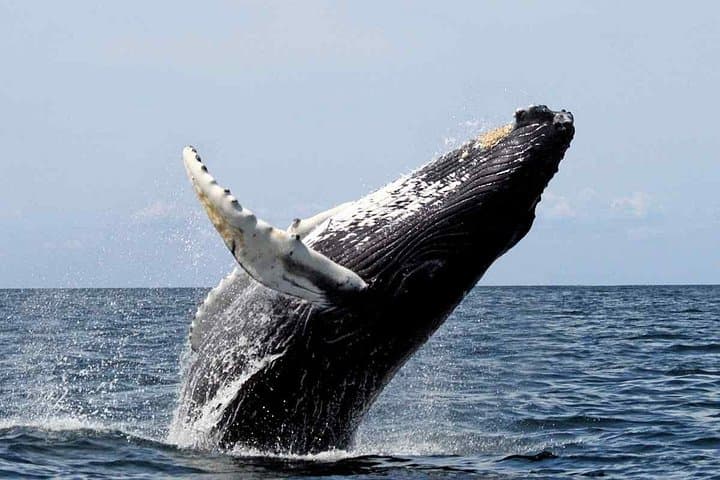
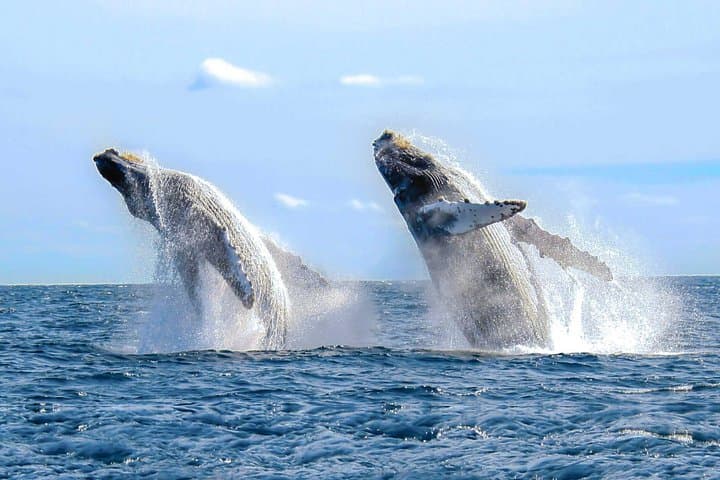
The motor cuts from a lazy tick to a purposeful hum and, for a moment, all that exists is the salt-thick air and the slope of the horizon. The boat pushes off into Samaná Bay, where the water takes on a Caribbean clarity and the ocean seems to be listening—because beneath its surface, the humpbacks are talking. Within minutes the captain points: a blow, a fluke, then the river-size body of a whale arcing skyward. The sound of exhalation and the slap of water fill the deck—raw, precise theater that feels private despite the crowd.
The motor cuts from a lazy tick to a purposeful hum and, for a moment, all that exists is the salt-thick air and the slope of the horizon. The boat pushes off into Samaná Bay, where the water takes on a Caribbean clarity and the ocean seems to be listening—because beneath its surface, the humpbacks are talking. Within minutes the captain points: a blow, a fluke, then the river-size body of a whale arcing skyward. The sound of exhalation and the slap of water fill the deck—raw, precise theater that feels private despite the crowd.
Samaná has drawn humpbacks for centuries; this shallow, warm bay is a breeding and calving ground where North Atlantic humpbacks migrate each winter. The region’s geology—limestone platforms and forested ridgelines—funnels plankton and creates sheltered waters that mothers and calves favor. The island you’ll visit next, Cayo Levantado (often called Bacardi Island), scores a contrast: a narrow crescent of white sand, coconuts tilting toward a sieve of turquoise. The final act is inland—El Limón Waterfall—where rivers wear away limestone and volcanic bedrock to drop roughly 45 meters into a green plunge pool.
This full-day loop—about six hours on a scheduled tour—packs three core experiences: a guided whale-watch (roughly two hours), a beach stop on Cayo Levantado, and a safari plus horseback approach to El Limón Waterfall. Guides here combine marine know-how with local lore: the Afro-Anglo communities settled in Samana in the 19th century, and fishermen still read tide and wind like scripture. Conservation rules shape the show too—licensed operators keep respectful distances and limit approaches to avoid stressing whales.
Practical planning keeps the day smooth. Expect morning pickup from hotels in the Uvero Alto/Punta Cana region; confirm your exact pickup time the night before. Wear quick-dry layers and non-slip shoes you don’t mind getting sandy; a light windbreaker helps on the water. Bring reef-safe sunscreen, a refillable water bottle, motion-sickness medication if you’re sensitive, and a small waterproof camera or phone with a tether—breaches happen fast and often. Lunch and snacks are included, but carry some cash for tips and local purchases on Cayo Levantado.
Timing is everything: whale season peaks January–April, when mothers and calves are most visible, though sightings can extend slightly outside those months. If you want calmer seas and softer light for photos, request an early departure. Above all, go ready to let the ocean set the pace: whales decide the performance, and the best souvenir is a moment you didn’t try to control.