THE ADVENTURE COLLECTIVE® · Independent discovery and booking for outdoor travel

Head into Samaná Bay for an all-day encounter with migrating humpback whales, then unwind on the white sands of Cayo Levantado. This full-day trip blends wildlife spectacle with beachside relaxation and a Dominican lunch.
Head into Samaná Bay for an all-day encounter with migrating humpback whales, then unwind on the white sands of Cayo Levantado. This full-day trip blends wildlife spectacle with beachside relaxation and a Dominican lunch.
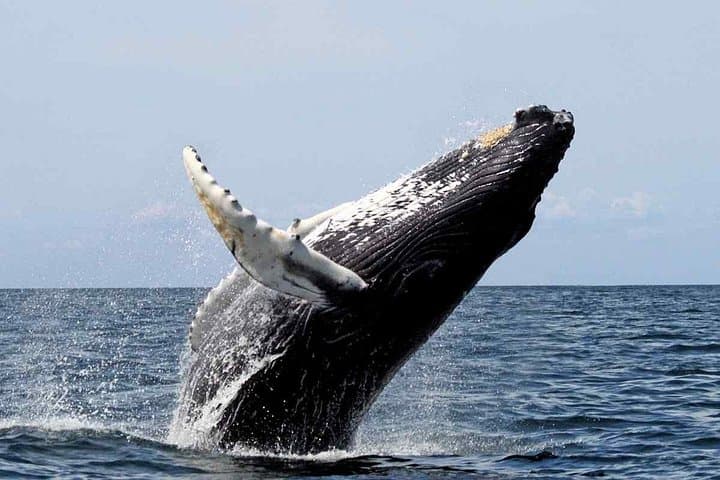
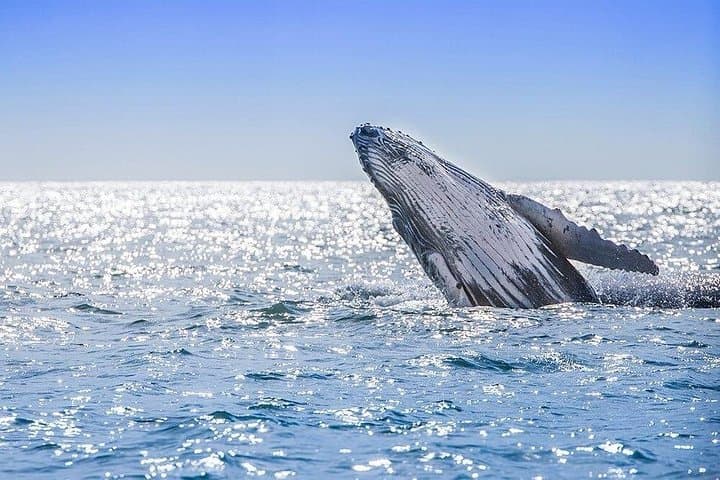
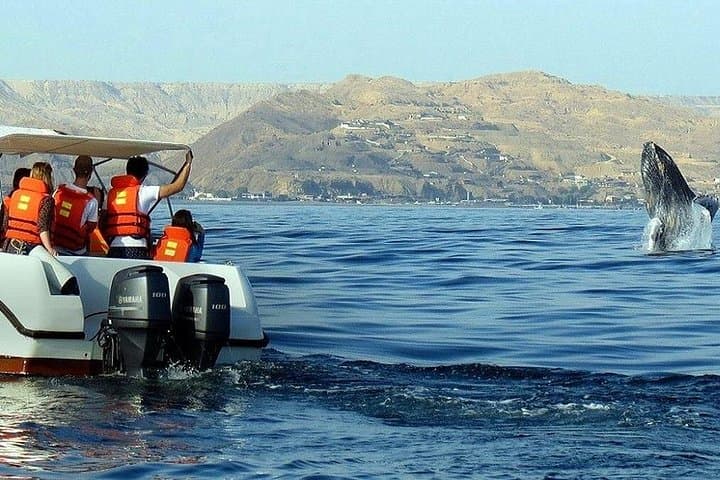
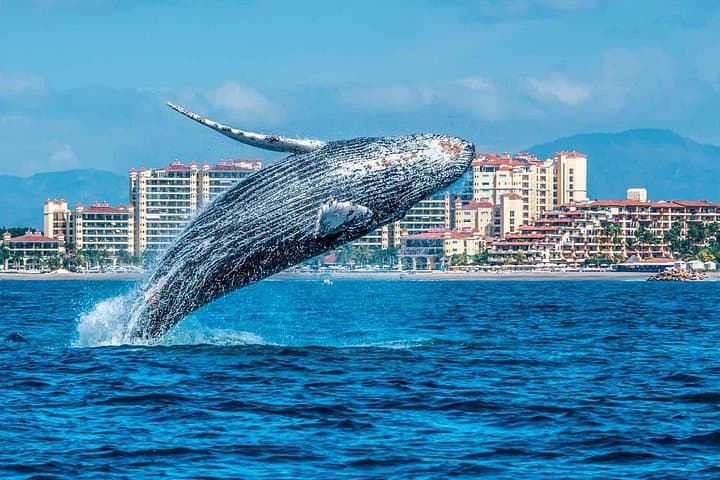
The morning light on Samaná Bay cuts a silver edge across the water as the boat pushes away from the pier. Salt stings the air and the sea seems to lean forward, as if the bay itself is eager to show what it has been hiding. Guides point to the horizon; a dark shape breaks the surface and a soft, distant spout rises—then the water explodes into movement. Humpback whales, in pairs and small groups, throw their bodies skyward, tails slapping and pectoral fins carving white crescents.
Verified experiences and guided adventures in the surrounding area.
Operated by Shelting Tours · Samaná, Samaná Province
The morning light on Samaná Bay cuts a silver edge across the water as the boat pushes away from the pier. Salt stings the air and the sea seems to lean forward, as if the bay itself is eager to show what it has been hiding. Guides point to the horizon; a dark shape breaks the surface and a soft, distant spout rises—then the water explodes into movement. Humpback whales, in pairs and small groups, throw their bodies skyward, tails slapping and pectoral fins carving white crescents.
This full-day outing moves from spectacle to serenity. After a focused search for whales—whose breeding and calving season draws them into the warm, shallow waters of Samaná from January through March—the boat eases toward Cayo Levantado. The island’s low profile of white sand and turquoise shallows contrasts with the power witnessed offshore: one place for the dramatic courtship displays, the other for languid beach time and a Dominican lunch.
Samaná Bay has long been a stopping point on Atlantic migration routes. Its geology—coastal limestone and sheltered inlets—creates the warm, protected conditions humpbacks favor for mating and nursing. Culturally, the region blends Taino legacy, Spanish colonial history, and waves of 19th-century immigrants; today local fishing communities and tour operators keep a careful eye on both the whales and the reefs.
Practicalities matter on a day like this. The tour is approximately eight hours with hotel pickup available; expect early pickup windows when launching from Juan Dolio toward the northeast coast. Seas can be calm in the morning and choppier after midday—pack motion-sickness remedies if you’re sensitive. Guides maintain safe viewing distances; watch for instructions before approaching animals.
Plan to bring reef-safe sunscreen, a hat, polarized sunglasses, a mid-range telephoto lens or a camera with zoom, and a swimsuit for time on Cayo Levantado. Lunch is included ashore, but bring bottled water and snacks if you prefer extras. Respect the wildlife—no attempts to touch or chase whales—and support local guides who follow marine protected-area rules.
For photographers, the drama of the whales shows best in the low angle of morning light; the island’s sands are at their cleanest and most photogenic after the sun climbs. Whether it’s the thunder of a breach or the hush of a mother guiding her calf, the day balances adrenaline and calm, teaching you to read the sea as much as to watch it.
Peak season runs from January to March when humpbacks arrive to mate and calve in the bay’s warm waters.
No — operators track whale activity and pick likely areas, but wildlife sightings can’t be guaranteed; tours often offer weather-related refunds per policy.
Yes—shallow, clear water makes swimming ideal; organized snorkeling may be offered but bring your own mask if you prefer a better fit.
Yes—this activity is suitable for most ages; infants must sit on an adult’s lap and operators note it’s physically easy.
Tours may be canceled for bad weather—book flexible plans during hurricane season (June–November) and check cancellation terms.
The total duration is about 8 hours; round-trip transportation and hotel pickup are typically provided—confirm pickup time when you book.
Shelting Tours operates guided outdoor trips and adventures with an emphasis on safety, stewardship, and memorable experiences.
The morning light on Samaná Bay cuts a silver edge across the water as the boat pushes away from the pier. Salt stings the air and the sea seems to lean forward, as if the bay itself is eager to show what it has been hiding. Guides point to the horizon; a dark shape breaks the surface and a soft, distant spout rises—then the water explodes into movement. Humpback whales, in pairs and small groups, throw their bodies skyward, tails slapping and pectoral fins carving white crescents.
The morning light on Samaná Bay cuts a silver edge across the water as the boat pushes away from the pier. Salt stings the air and the sea seems to lean forward, as if the bay itself is eager to show what it has been hiding. Guides point to the horizon; a dark shape breaks the surface and a soft, distant spout rises—then the water explodes into movement. Humpback whales, in pairs and small groups, throw their bodies skyward, tails slapping and pectoral fins carving white crescents.
This full-day outing moves from spectacle to serenity. After a focused search for whales—whose breeding and calving season draws them into the warm, shallow waters of Samaná from January through March—the boat eases toward Cayo Levantado. The island’s low profile of white sand and turquoise shallows contrasts with the power witnessed offshore: one place for the dramatic courtship displays, the other for languid beach time and a Dominican lunch.
Samaná Bay has long been a stopping point on Atlantic migration routes. Its geology—coastal limestone and sheltered inlets—creates the warm, protected conditions humpbacks favor for mating and nursing. Culturally, the region blends Taino legacy, Spanish colonial history, and waves of 19th-century immigrants; today local fishing communities and tour operators keep a careful eye on both the whales and the reefs.
Practicalities matter on a day like this. The tour is approximately eight hours with hotel pickup available; expect early pickup windows when launching from Juan Dolio toward the northeast coast. Seas can be calm in the morning and choppier after midday—pack motion-sickness remedies if you’re sensitive. Guides maintain safe viewing distances; watch for instructions before approaching animals.
Plan to bring reef-safe sunscreen, a hat, polarized sunglasses, a mid-range telephoto lens or a camera with zoom, and a swimsuit for time on Cayo Levantado. Lunch is included ashore, but bring bottled water and snacks if you prefer extras. Respect the wildlife—no attempts to touch or chase whales—and support local guides who follow marine protected-area rules.
For photographers, the drama of the whales shows best in the low angle of morning light; the island’s sands are at their cleanest and most photogenic after the sun climbs. Whether it’s the thunder of a breach or the hush of a mother guiding her calf, the day balances adrenaline and calm, teaching you to read the sea as much as to watch it.